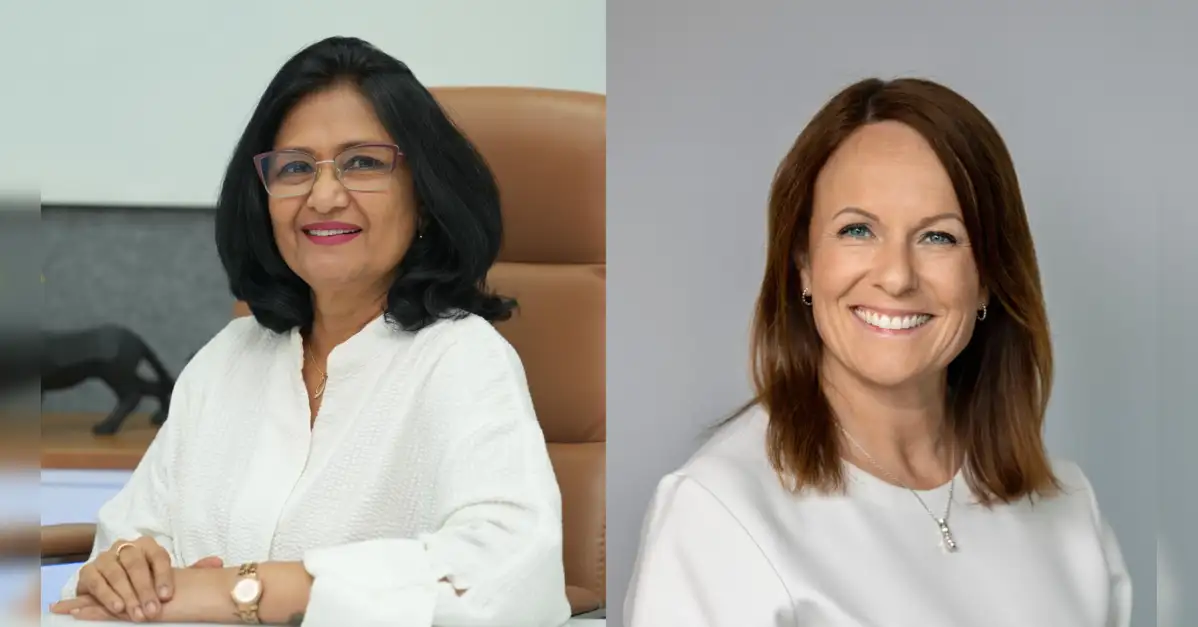
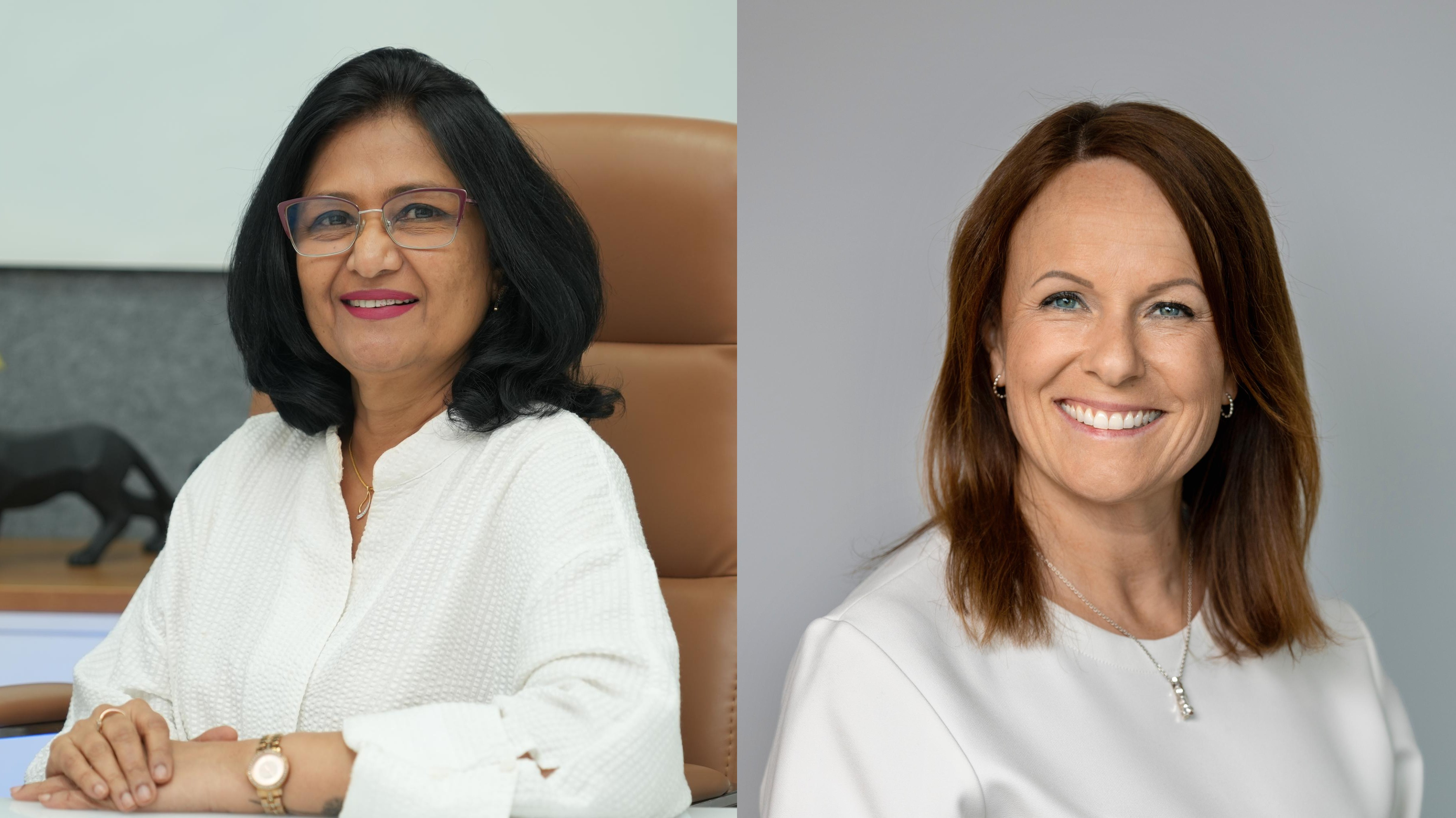
Across the global education landscape, school systems are navigating a period of profound recalibration. Declining student engagement, heightened concerns around mental wellbeing, rapid technological change and evolving workforce demands are compelling educators to question long-standing classroom models. In India, these challenges intersect with the ambitious vision of the National Education Policy 2020, which calls for learner-centric, flexible and holistic education. Against this backdrop, personalised learning has emerged not as a passing pedagogical trend, but as a strategic imperative, prompting education leaders worldwide to rethink how students learn, how teachers teach and how success is truly measured.It is within this broader industry context that ETEducation engaged in a timely conversation on the future of K–12 education, wellbeing and global collaboration. The interaction took place at Manav Rachna University, Faridabad, bringing together global and Indian perspectives on personalised learning and school transformation. In this exclusive discussion with ETEducation, Cecilia Carnefeldt, President and CEO of Kunskapsskolan Education (Sweden), and Sunitha Nambiar, CEO, Manav Rachna International School, shared candid reflections on student wellbeing, teacher empowerment, system-wide reform and the long-term implications of personalised education.To begin, the discussion explored the global pressures facing school systems today and the pedagogical shifts required to remain relevant in an increasingly complex learning environment.
With student engagement and learning outcomes under pressure globally, what broad pedagogical shifts do you believe school systems must prioritise to stay relevant over the next decade?
Carnefeldt:
Recently, at our annual conference in Manchester, we met with school leaders and principals from across all the countries where we operate. One priority clearly stood out for us, and that is student wellbeing.
Especially post-pandemic, we are seeing much higher levels of stress among children, not only in highly exam-focused systems, but across the board. We are therefore working closely with researchers and educators to find ways to support students better, because when students feel well, they perform better academically. This aligns strongly with our model of personalised education and the emphasis we place on strong relationships between teachers and students. Education is not only about academic knowledge. It must also take a more human and realistic approach, recognising emotional wellbeing as foundational to learning.
Q How can personalised learning models successfully balance academic rigour, wellbeing and future-ready skills across diverse education systems?
Carnefeldt:
There are a few key elements that make this possible. One very important aspect is personal coaching. Students regularly sit down, either one-on-one or in small groups, to reflect on where they are in their learning, how they are feeling and what strategies they need to handle different situations. This model helps students develop agency and ownership. They set their own goals and work actively towards them, rather than being passive recipients of instruction. Students are very much in the driving seat of their own education, which makes learning more meaningful and conscious, rather than based on rote methods.
Q What long-term transformation do you envision through the India–Sweden partnership under Kedman Global?
Carnefeldt:
We are really just beginning this journey, but there is already strong interest in what we have to offer, not only in India but in other parts of the world as well. A few years ago, an international research report even suggested that personalised education should be considered a human right.
We are seeing this shift across educators and policymakers globally. There is a growing recognition that education systems need to evolve. I see great potential in many parts of the world, and this partnership represents an important step in making personalised learning more accessible and impactful at scale.
From Policy to Practice: The Indian School Perspective
Q What practical changes are most critical for Indian schools to translate NEP 2020 into meaningful classroom impact?
Nambiar:
Whether we talk about personalised learning, giving children voice and choice, or adopting a more holistic approach to education, they are all essentially pointing in the same direction. However, if I look at the biggest challenge India faces today in implementing NEP 2020, it is teacher empowerment. We can only deliver on this vision if our teachers are truly skilled and confident. At the moment, that remains a significant gap.
The first and most critical step is to empower teachers to deliver a holistic learning experience inside classrooms. Alongside this, student wellbeing is another major concern. Schools across India need to focus far more on social-emotional learning, wellbeing and mental health.
The government has already taken steps in this direction, including mandating counsellors in schools. But wellbeing is not limited to Classes 9 to 12 or exam stress alone. Wellbeing is relevant at every stage of schooling, and it must be addressed consistently and intentionally.
Q From an Indian parent and student perspective, what visible changes does personalised learning bring to engagement and outcomes?
Nambiar:
I am going to answer this through an experience rather than theory. When I was part of Kunskapsskolan earlier and had visited Sweden, I saw children who were far more confident and independent. Initially, I was unsure whether this approach would work in the Indian cultural context, because we are used to telling children what to do and expecting them to follow instructions.
But within just one month of implementing this model, I realised something very important: children are children everywhere in the world. They simply need the right opportunity to be independent, to make decisions and to have a voice.
When you give children that space, they truly thrive. Personalised learning allows students to decide how they want to learn, what they want to learn, when they want to learn and with whom they want to learn.
I will admit, I am a complete believer in this model. What stood out most for me was speaking to parents six months later and asking them what had changed. Many parents told me something remarkable: dining table conversations had changed. Suddenly, families were no longer discussing homework alone. They were talking about what children learned, how they learned it, what they were good at and what they needed to improve. That shift in conversation, between parents and children, was deeply meaningful for me.
In an increasingly crowded K–12 landscape, how does Kedman Global create a clear and credible differentiation for Manav Rachna schools?
Nambiar:
The most important part of Kedman Global is the larger vision behind it. Today, we have only a few schools offering personalised education in India. Through Kedman, the aim is to take this approach to many more cities, including smaller towns, where NEP-aligned education is deeply needed. If we are able to establish schools across different regions offering personalised learning, we create a cascade effect. We build capacity within the country by nurturing independent thinkers, innovators and future change-makers.
Equally important is the impact on teachers. We invest heavily in teacher development and quality, and while teachers may eventually move on to other schools, they carry this mindset and capability with them. That, too, creates systemic change.
I see this as a ripple effect, not limited to five or ten cities. It is much larger than that. The goal is to influence how education is delivered across the system, not just within our own schools.
Closing Perspective
At a time when education systems are being asked to do more than deliver academic outcomes, this conversation underscores a powerful truth: the future of schooling lies in human-centred design. Personalised learning, when implemented with integrity, has the potential to strengthen wellbeing, empower teachers and restore meaning to learning.
Perhaps the most telling indicator of this shift is not found in assessments or rankings, but in homes across the country where, as Nambiar aptly noted, “dining table conversations have changed”. When students speak not just about homework, but about curiosity, confidence and self-awareness, education moves beyond classrooms and becomes a lived experience. That, ultimately, may be the most enduring measure of transformation.

About the Author