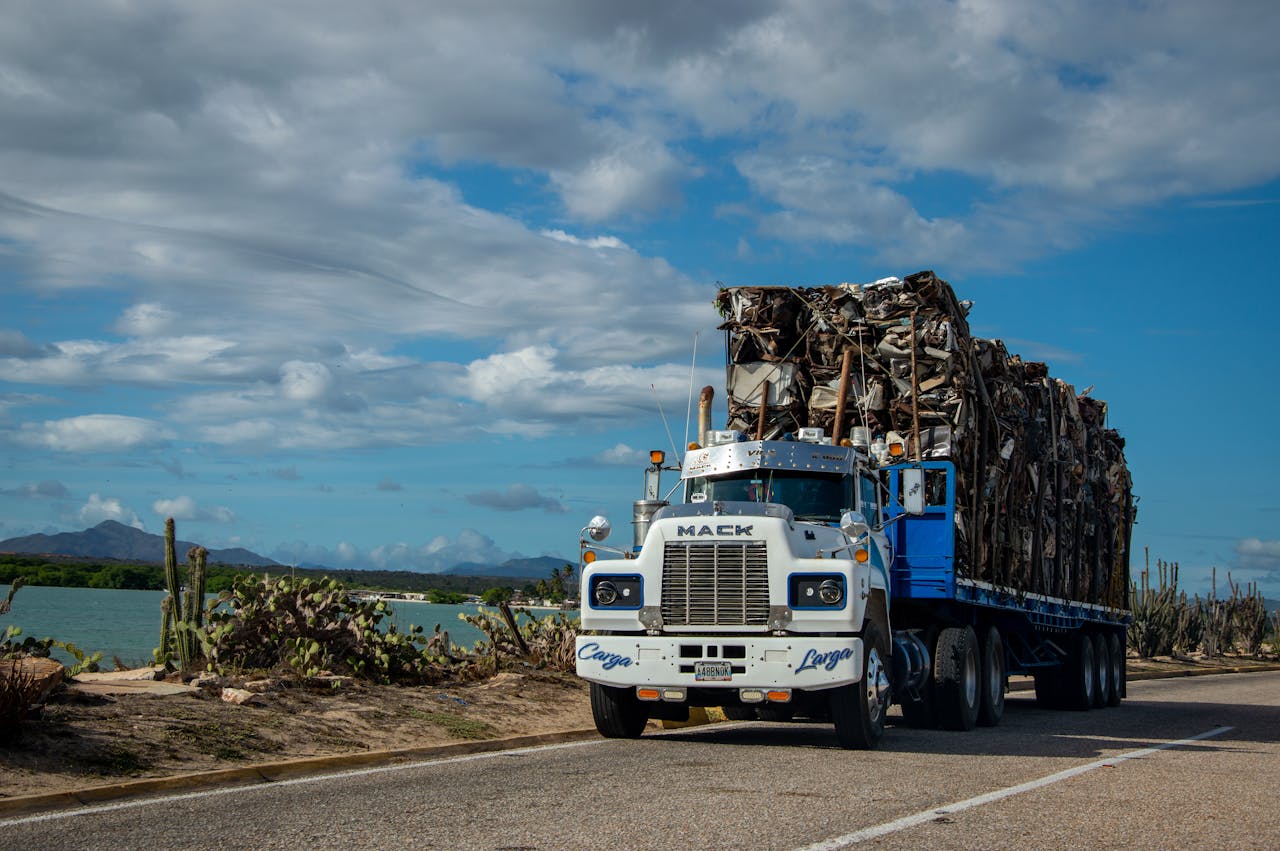
Anyone who has driven through a busy urban highway has felt it. Big commercial trucks move differently, take more space, and leave less room for mistakes. In tight traffic, those differences turn small errors into serious problems very quickly. Below, we’ll break down why urban highways make trucks harder to handle, which road conditions raise risk the most, and what actually happens when crashes occur.
Size, Weight, and Stopping Distances in City Traffic
Large commercial trucks simply weigh far more than passenger cars, and that weight changes everything in city traffic. More mass means longer braking distances, which is why understanding common mistakes drivers make around semi-trucks matters when lights change suddenly and space disappears fast.
Stopping distance becomes a real issue in crowded lanes where cars cut in and out constantly. Trucks cannot react as quickly, not because of skill, but because brakes must work against enormous momentum moving through dense, unpredictable city traffic every single day.
Weight also affects how trucks handle sudden stops, especially during rush hour. When a collision happens, the damage is often severe, which is why many drivers later speak with a truck accident attorney in Houston to understand what went wrong and what follows.
City streets leave little room to recover once something unexpected occurs. Tight spacing, short gaps, and constant pressure mean trucks need space they rarely get, turning ordinary braking moments into situations where timing and distance matter more than people expect.
Urban Driving Conditions That Increase Truck Accident Risk
Urban highways pack many moving parts into tight spaces, and trucks feel every one of them. New technology helps, but even with innovative safety features in modern trucks, short on-ramps, lane merges, and uneven pavement still demand constant adjustment from drivers.
Construction zones make city driving even harder for large trucks. Lanes narrow without warning, barriers shift sight lines, and workers move close to traffic, leaving drivers to judge space carefully while other vehicles rush past with little patience during busy daytime hours.
Urban traffic also brings more distractions into play, especially around exits and intersections. Cars stop suddenly, pedestrians appear near ramps, and cyclists weave through gaps, creating moments where truck drivers must read many signals at once while keeping heavy vehicles steady.
Weather and time of day can quietly raise risks in cities. Rain slicks painted lines, glare hides brake lights, and nighttime traffic mixes tired commuters with delivery schedules, adding stress that makes already complex truck driving less forgiving in crowded corridors.
When Urban Truck Accidents Happen, the Consequences Are More Severe
When a truck crash happens in a city, the force involved usually causes serious harm. As traffic grows riskier nationwide, reporting on why America’s roads are becoming more dangerous helps explain why urban collisions now lead to heavier damage and longer recovery times.
Urban truck accidents often block lanes and spill into nearby streets, creating long delays. Traffic backs up fast, drivers grow impatient, and secondary collisions can follow. What begins as one impact can quickly turn into a wider disruption across the nearby area.
In cities, injuries from truck crashes tend to be more complex. Hospitals handle trauma cases, families face sudden decisions, and daily routines collapse. The emotional weight can linger long after roads reopen and vehicles are slowly cleared from the scene.
Beyond physical damage, consequences stretch into legal and financial territory. Insurance claims grow complicated, fault is disputed, and changing rules like recent truck driver license restrictions add confusion for drivers trying to understand what went wrong after a serious urban crash.
Endnote
Large commercial trucks face real limits on urban highways, from tight space to constant pressure. When size, traffic, and city design collide, small mistakes escalate fast. Understanding these realities helps drivers, planners, and communities approach safety with clearer expectations overall. Paying attention around large vehicles and respecting their limits can reduce harm and make crowded highways safer for everyone.
About the Author