Why do most people wait until something hurts before calling a provider? It happens all the time. The sore knee gets worse. That odd mole changes. Blood pressure creeps up (then spikes). Preventive care feels optional.
Until it’s not.
That’s where frontline providers step in. Working in busy clinics, rural hospitals and community health centers, especially in a place like Missouri, they’re face-to-face with real concerns. Real people. These conversations go beyond reminders about screenings or checkups. They’re small moments that can shift how someone sees their own health.
In this blog, we’ll look at why these talks matter now more than ever and how providers can make them count.
The Conversation That Changes Everything
Bringing up prevention isn’t always easy. It’s not the reason most patients come in and honestly for many, it feels uncomfortable. No one wants to be reminded they haven’t had a colonoscopy or that they’re overdue for a cholesterol test. Some will politely nod. Others will change the subject.
But that doesn’t mean they’re not listening. It just means the message has to land in the right way.
Those studying through online nursing programs Missouri universities have to offer are learning to do exactly that. These programs teach clinical expertise, yes, but they also emphasize real-world communication, how to talk with patients, not at them. Because health isn’t just science. It’s personal.
Northwest Missouri State University, for example, offers a flexible online format that supports working professionals. That’s important. Many learners can continue working in the field while gaining deeper skills in community health, collaboration and evidence-based care. And that experience translates directly into stronger, more productive patient conversations.
The online setup also reflects the way healthcare is changing. Telehealth, digital records and remote monitoring are part of daily practice now. Learning through a virtual platform gives students a sense of how to build trust and communicate effectively even when the interaction isn’t face to face.
Why Preventive Care Can Be a Tough Topic
It can look like people don’t care about prevention, but that’s not usually true. Most people do care. The real issue is often something else – like not having enough time, being afraid of bad news or not fully understanding what the provider is asking them to do.
That’s where good communication matters. The goal isn’t to hand someone a long list of things to do. So what is it about? Showing how small steps can help them stay healthy in the long run? Yes. It’s knowing when to speak up and when to just listen. It’s about making the next step feel doable, not distant.
It can sound like:
“Let’s look at your family history and decide which screenings make sense.”
“This test helps us catch things early – not just fix problems later.”
“What’s one health concern you’ve been thinking about lately?”
These conversations shouldn’t scare people. Or overwhelm them. They should make someone feel informed. In control. If they feel judged, they’ll shut down. But if they feel supported? They’re far more likely to act.
Tactics That Work in the Real World
Bringing up prevention doesn’t have to feel forced. With the right tone, it becomes part of the flow. Here’s how to work it in without making the visit feel like a lecture:
- Ask early. Don’t wait until the goodbye. Bring it up while reviewing vitals or history. Feels natural.
- Keep it simple. No jargon. Say “heart check” instead of “cardiovascular risk.”
- Be clear. Not “You need a screening.” Try, “Let’s check your blood pressure once a year.”
- Tie it to real life. If someone’s tired or stressed, start with sleep or food. Then build from there.
- Don’t rush. If they’re not ready, give a handout. Suggest talking again next time.
Not all prevention is clinical. A quick chat about movement or food might reveal more than any lab. How someone eats, sleeps, moves. Those little things say a lot and they’re often the early signs. Or early solutions.
How the Culture of Care Is Changing
Prevention is finally getting attention. Policies are shifting. Communities are focusing more on staying well, not just treating what goes wrong. But that shift needs people to lead it.
That’s where strong training comes in. Programs that show future providers how to build trust. How to guide patients long-term – not just fix a symptom and move on. Even more, they teach how to see the person, not just the data. When prevention feels like something shared (not something preached) care means more.
That’s where healthcare is going. Real connection. Lasting trust. Conversations that actually stick. When prevention becomes routine (not just a once-a-year reminder) everyone gains. Patients. Providers. The system too. Fewer missed signs. Fewer emergencies. Better long-term care.
And it all starts with a conversation. One that’s honest. Helpful. Human.
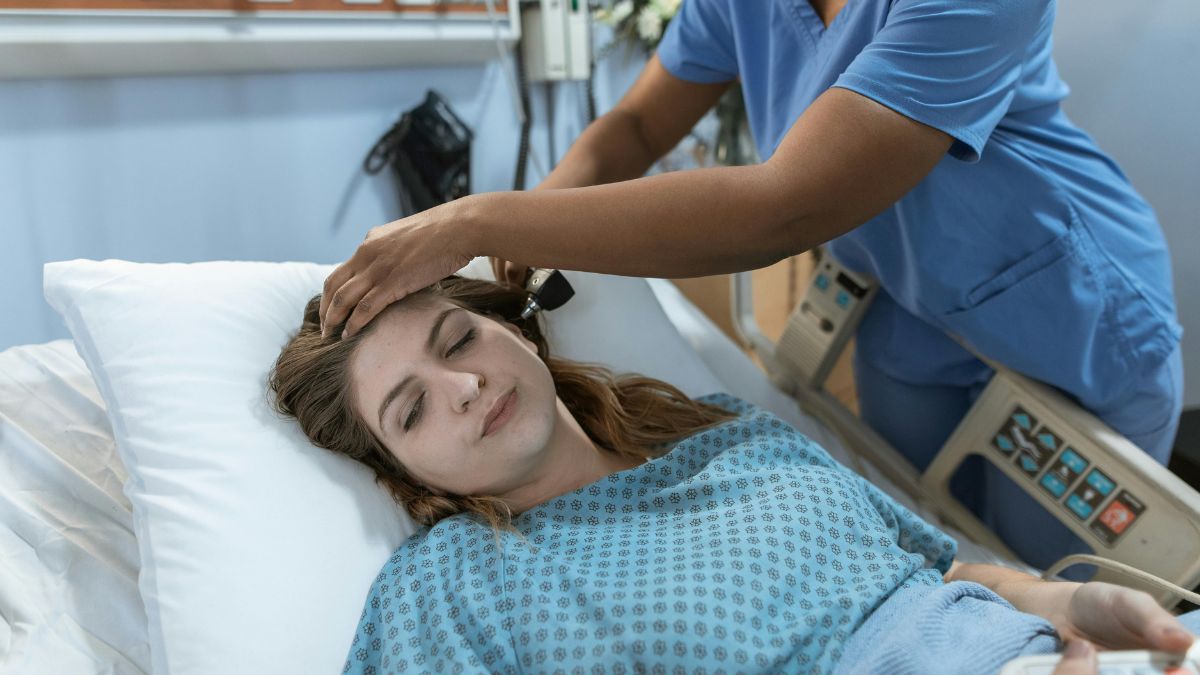
Image by RDNE Stock project from Pexels
The editorial staff of Medical News Bulletin had no role in the preparation of this post. The views and opinions expressed in this post are those of the advertiser and do not reflect those of Medical News Bulletin. Medical News Bulletin does not accept liability for any loss or damages caused by the use of any products or services, nor do we endorse any products, services, or links in our Sponsored Articles.
About the Author