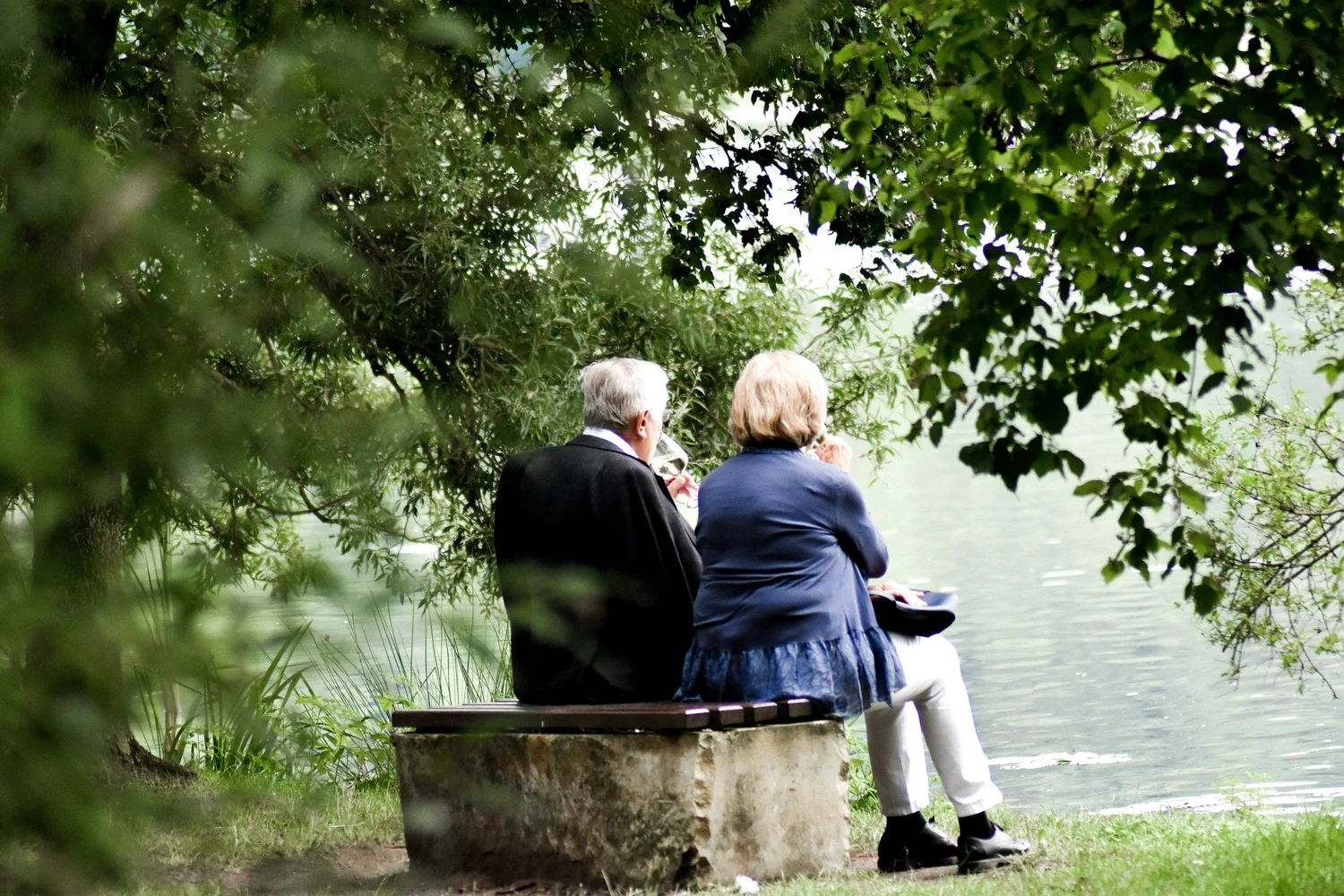

Romantic films have a way of making love feel both simple and complicated, sometimes in the same scene. For seniors, especially those building new routines in assisted living communities, these stories can be more than entertainment. They can be gentle reminders that affection, partnership, and joy do not have an expiration date. Even when movies lean a little dramatic, the best ones still highlight truths that matter after 60: love can be steady, surprising, and deeply personal.
Love After 60 Is Often About Comfort, Not Fireworks
Romantic films often start with grand sparks, but the relationships that resonate most with seniors tend to be the ones built on comfort and ease. Many on-screen couples show that love after 60 can look like shared morning coffee, quiet jokes, and an unspoken understanding that life is already full enough without constant chaos. These stories suggest that passion does not disappear with age, but it often matures into something calmer and more reliable.
For seniors, that message can feel reassuring, especially for those who worry that late-life romance must compete with youthful versions of love. Movies repeatedly show that a caring partner is not measured by flashy gestures, but by consistency, patience, and attention to small needs. In this way, romantic films teach seniors that “real romance” can be the feeling of being safe with someone, emotionally and practically, while still feeling seen as a whole person.
Second Chances Are Not Rare
A popular theme in romantic films is the second chance: rekindled love, unexpected connections, or fresh beginnings after loss. Seniors often relate to this because many have lived through major transitions such as retirement, grief, relocation, or shifting health needs. Films may simplify the timeline, but the emotional truth remains: people can begin again. These stories encourage seniors to view new relationships as valid and meaningful, not as replacements or footnotes.
A late-life romance can honor past love while still making room for something new. Romantic films also remind seniors that vulnerability is not a young person’s skill. It is a human skill, and it can be practiced at any age. The characters who risk honesty, admit fear, or try again after disappointment reflect a powerful idea: love does not require a perfect history, only a willing heart and a present moment.
Communication Matters More Than Perfect Timing
Romantic films can be famous for misunderstandings, but the most satisfying ones show what happens when people finally say what they mean. For seniors, that lesson lands differently than it might for younger viewers. After 60, time can feel more valuable, and patience for guessing games can be thinner. Movies often highlight that love grows when people communicate clearly, apologize without excuses, and express needs without shame.
Seniors can take away the idea that directness is not “too much,” it is respectful. Many film couples also show that conflict does not automatically mean failure; it can mean two people care enough to work through discomfort. The strongest relationships on screen are rarely the ones without friction. They are the ones where both people listen, adjust, and choose kindness even when pride would be easier.
Romance Can Be Built Around Real Life
One of the best lessons romantic films offer seniors is that love can fit around real life instead of demanding an escape from it. Characters often carry responsibilities, health concerns, family dynamics, or long-held routines, and romance still finds space to grow. For seniors, this is especially relevant because love after 60 often involves practical realities: mobility, medications, fixed budgets, or different energy levels.
Films that handle these realities with warmth suggest that romance does not require perfection; it requires flexibility. Love can be a slow walk instead of a sprint, a shared hobby instead of a fancy trip, and a supportive presence instead of nonstop excitement. Seniors can see that romance is not only about being chosen, it is also about being cared for in ways that match daily life.
Conclusion
Romantic films may be written for the screen, but many of their lessons translate well into real life for seniors. They show that love after 60 can be steady, honest, and beautifully ordinary, with room for second chances and deep companionship. Above all, these stories remind seniors that romance is not a stage of youth, but a possibility that can keep unfolding with every new season of life.
About the Author