Briefing of ambassadors in the Security CouncilRosemary DiCarlo, the UN’s political affairs chief, and Joyce Msuya, deputy emergency relief coordinator, said Syrians had made tangible progress over the past year.
However, the country’s recovery – following the fall of the Assad regime in December 2024 – remains fragile and uneven, requiring sustained international support.
Millions return, millions more are in need
One of the clearest signs of change, UN officials say, has been the large-scale return of displaced Syrians. More than two million internally displaced people have returned to their areas of origin, while more than 1.3 million refugees have returned from neighboring countries.
“Two million displaced people in Syria have returned – most after years of living in camps in precarious conditions.“, Ms Msuya said.
But many returnees return to damaged or destroyed homes, with limited access to electricity, water, health care or jobs. Millions more remain displaced, and many families are reluctant to return due to lack of housing and services, particularly during the winter months.
As a result, humanitarian aid remains essential, even as the UN seeks to wind down one of its largest aid operations in the world.
Humanitarian operations under pressure
Msuya said the UN has been able to streamline its humanitarian response over the past year, reaching around 3.4 million people per month – 25 percent more than last year – despite less funding.
However, she warned that the 2025 humanitarian appeal is only about 30 percent funded, forcing difficult prioritization decisions and leaving millions of people without assistance.
“Given the scale of needs and the time needed for development efforts to take effect, we also need support to maintain and expand humanitarian assistance in the short term.” she said.
She noted that the easing of sanctions by several countries has helped facilitate procurement and financial transactions for aid operations and could support Syria’s long-term recovery if it continues.
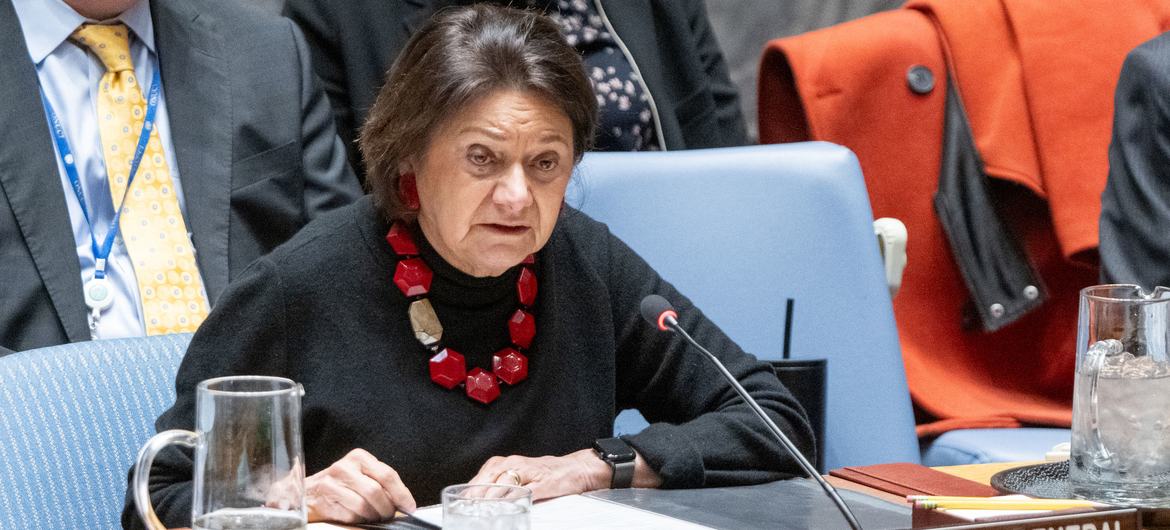
Deputy Secretary-General Rosemary DiCarlo briefs the Security Council on the situation in Syria.
Political progress, but fragile security
On the political front, DiCarlo said Syria had taken important steps, including restoring state institutions, forming a new cabinet, issuing a constitutional declaration and holding indirect parliamentary elections in October.
Levels of violence have declined significantly, she said, while warning that intercommunal tensions remain high after years of conflict and repression.
“Tragically, these tensions have increased over the past year,“, she said, citing deadly violence in coastal areas in March, a terrorist attack on a church in Damascus in June and clashes in Druze-majority Soueida in July that displaced more than 155,000 people.
Israeli airstrikes and incursions into southern Syria have further worsened the security situation, U.N. officials said, including an operation in late November that killed 13 people and forced families to flee.
DiCarlo reiterated the UN Secretary-General’s call for Israel to respect Syria’s sovereignty and urged all parties to respect the 1974 disengagement agreement.
Justice, reconciliation and the road ahead
Both officials stressed that long-term stability would depend on accountability, reconciliation and inclusive governance.
“The shadows of the past continue to haunt the Syrian people,DiCarlo said, calling for a full accounting of past abuses, including addressing the plight of missing people and ensuring those responsible for serious crimes are held accountable.
She stressed that inclusive dialogue – including the meaningful participation of women – alongside sanctions relief and sustained international engagement, will be key to rebuilding trust, restoring investor confidence and laying the foundations for reconstruction.
Ms. Msuya echoed this message through the story of Rawaa, a single mother who returned from Turkey to her village of Hama with her two children, hoping to start a small business.
“We owe it to them to give them this chance,” she said, urging the international community to seize what she described as a rare moment to help Syria transform hope into lasting recovery.
About the Author