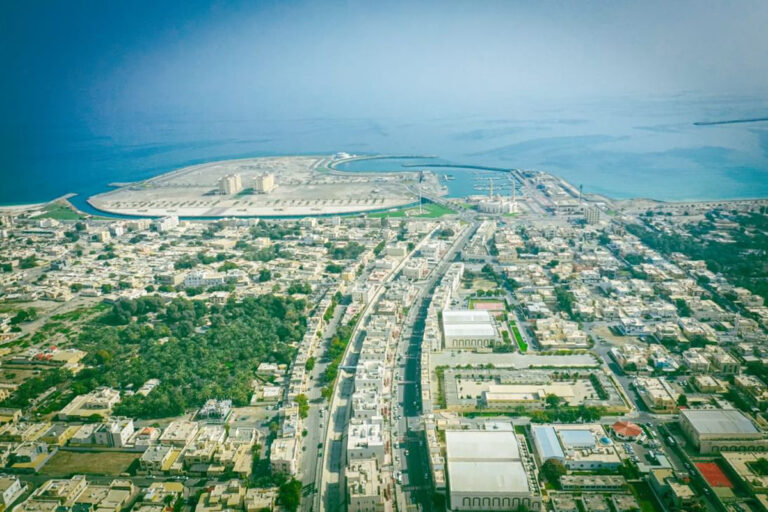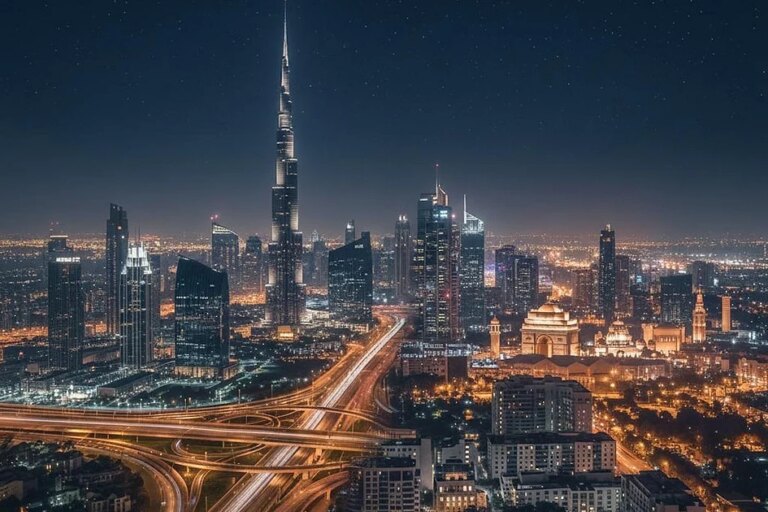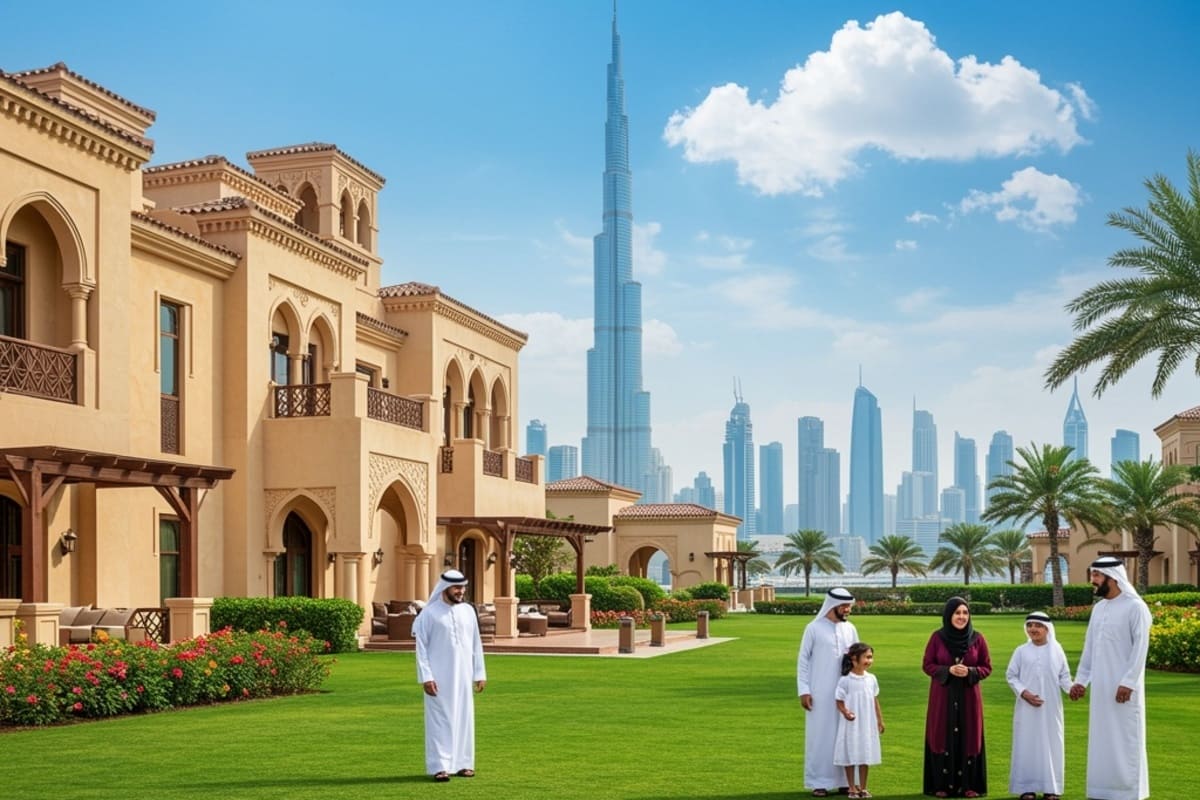
Emirate’s population projected to reach 4.7 million by end of 2026, driving urban density demands
Dubai’s real estate sector steps into 2026 with a solid foundation, bolstered by robust economic performance, increasing population, and planned infrastructure developments, according to a new report from global consulting firm ValuStrat.
Forecasts indicate that the emirate’s economy will increase by 5 percent, supported by robust non-oil sectors like tourism, real estate, construction, and financial services.
Inflation forecasts indicate a modest rate of 2 percent, which will help maintain a stable operating environment for businesses and investors.
A key factor in growth is the population increase, with Dubai’s resident population projected to reach 4.7 million by the close of 2026, while peak-hour population levels may rise to 6.5 million, emphasizing growing urban density and the need for housing and services.
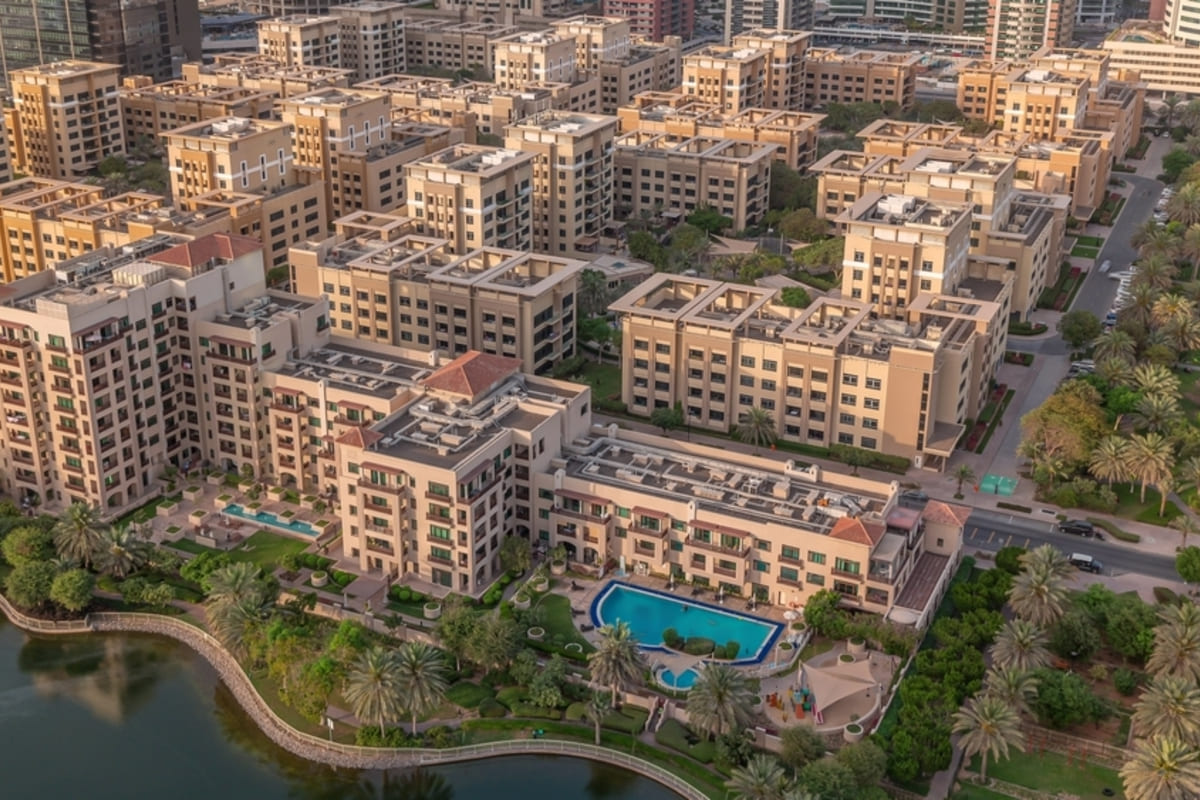
Villas and townhouses outpace apartments in price growth
While the residential sector is expected to keep rising, the pace will be slower. Capital gains are forecasted at 10 percent for 2026, down from 19.8 percent in 2025, suggesting a market normalization following years of swift expansion.
Price growth for villas and townhouses is anticipated to surpass that of apartments, with increases of 17.7 percent versus 7.4 percent, driven by limited availability and lifestyle preferences.
The strongest demand is for single-family homes, representing under 20 percent of the overall stock, with some villa communities seeing prices triple since the pandemic.
An estimated 131,234 units are in the supply pipeline, mostly apartments (81 percent), but actual deliveries may be impacted by continued construction delays.
Rental growth is likely to stabilize at 0 percent, mirroring price ceilings and the shifting dynamics within the leasing market.
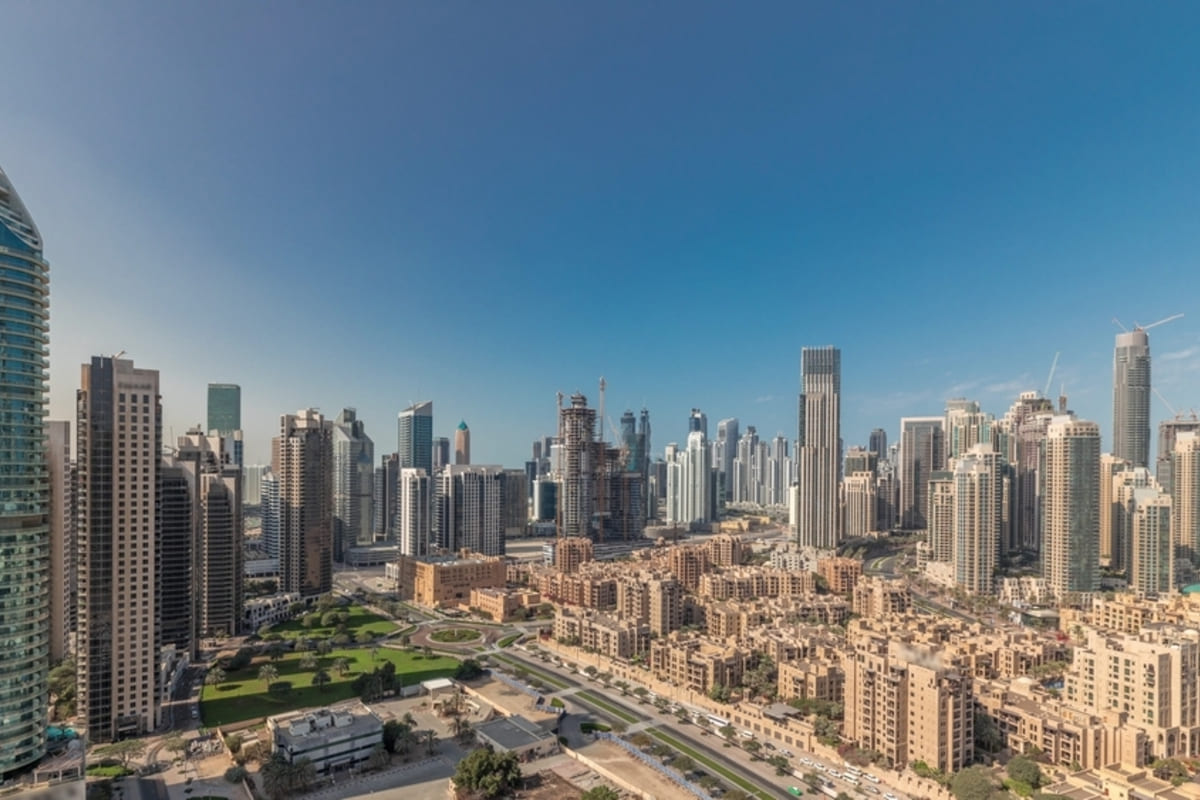
Strong demand fuels Dubai’s office market growth
The office market in Dubai continues to see remarkable demand, supported by corporate growth and the establishment of new enterprises.
Capital values and rental rates are forecasted to grow by 15 percent, down from 2025 levels but still strong, with supply constraints persisting in prime areas.
Dubai is set to rank among the world’s cities with the most hotel keys, solidifying its position as a premier hospitality hub, the report noted. Currently, there are 11 hotel projects under construction, adding a total of 3,923 keys expected to be available by 2026. Noteworthy upcoming projects include Six Senses The Palm, boasting 162 keys, Marbella Resort Hotel with over 150 rooms, and Baccarat Dubai offering 144 rooms and suites.
Furthermore, Nakheel is nearing completion of Rixos Dubai Islands, the first luxury hotel and residences on the islands. Occupancy rates are expected to rise during the typically slower-demand warmer months, as Ramadan aligns with the cooler season. Four- to five-star hotels are projected to dominate the upcoming hotel inventory, while local guests will remain essential for boosting occupancy and revenues for affordable to mid-range hotels.
About the Author