January 28, 2026 | 6:13pm
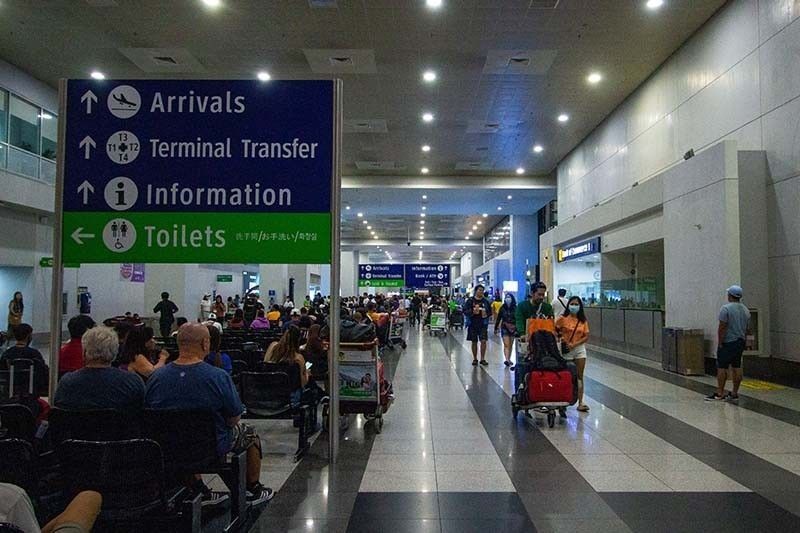
MANILA, Philippines — The Department of Health Bureau of Quarantine (DOH-BOQ) has begun implementing strict health protocols, including passenger screenings, at the Ninoy Aquino International Airport (NAIA) and other points of entry amid the Nipah virus outbreak in India.
In a message to reporters on Wednesday, January 28, DOH Assistant Secretary Albert Domingo said all airports are being monitored round the clock, regardless of whether incoming passengers show symptoms of infection.
He said the country’s health protocols are consistent with World Health Organization standards, and that the DOH-BOQ is distributing informational materials on Nipah virus at all entry points.
Since there is no international recommendation to restrict travel and the Philippines’ borders remain open, the agency will instead implement proactive screening measures such as online health declarations and thermal checks for incoming passengers.
India has reported five confirmed Nipah virus cases in West Bengal, with 100 close contacts under monitoring, Domingo said.
What to know about the Nipah virus
Primarily carried by bats, the Nipah virus can spread to animals such as pigs and horses and may reach humans through contaminated food, close contact or respiratory droplets.
After exposure, symptoms of infection may develop within three to 21 days, beginning with fever, headache, muscle aches, vomiting and sore throat. The infection can escalate to life-threatening conditions such as brain swelling, respiratory problems like pneumonia and seizures.
The Nipah virus first emerged in Malaysia in 1999, claiming the lives of over 100 people, primarily pig farmers. The outbreak later affected Singapore as well.
According to WHO, Bangladesh and India have been experiencing periodic or seasonal outbreaks since then due to the consumption of fruits and fruit products contaminated with the urine or saliva from infected fruit bats.
In pigs, the virus is highly contagious, with an incubation period of four to 14 days. Symptoms include barking coughs, trembling, twitching, and muscle spasms. Authorities recommend culling infected animals and restricting livestock movement to prevent outbreaks.
Currently, no approved drugs or vaccines exist for Nipah virus, and treatment is mainly supportive, focusing on patients with severe respiratory or neurological issues. WHO, however, has designated the virus as a priority disease under its Research and Development Blueprint.
Domingo said Filipinos can reduce the risk of contracting the virus by avoiding bats and other sick animals, and by ensuring that all meat consumed is properly cooked and certified by the National Meat Inspection Service.
WHO has estimated the fatality rate of Nipah virus infections at 40% to 75%.
Not new in the Philippines
The DOH, however, assured the public that the department is capable of preventing and controlling the Nipah virus should there be cases in the Philippines, saying the virus is not new in the country.
The last time the Philippines encountered the virus was in 2014, when 17 people in Sultan Kudarat developed flu-like symptoms or brain infections, such as encephalitis and meningitis. These cases were reportedly associated with the consumption of horse meat and exposure to infected individuals.
Other countries have also tightened airport surveillance and health checks following the outbreak in India, including Thailand, Nepal, Taiwan and Singapore.
ON INTERAKSYON: Anne Curtis, other Pinoys raise concerns over Nipah virus outbreak in India
About the Author