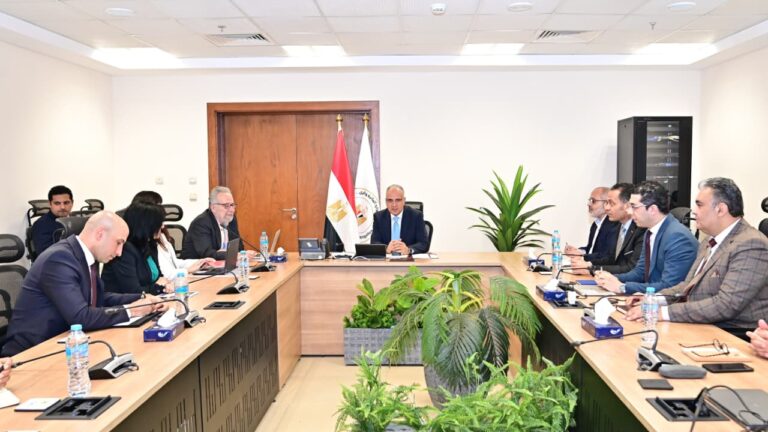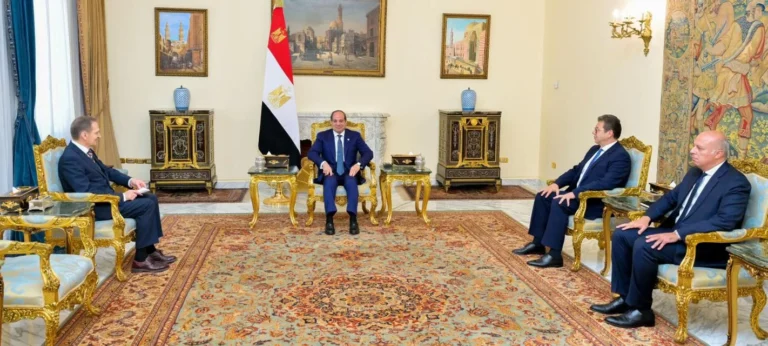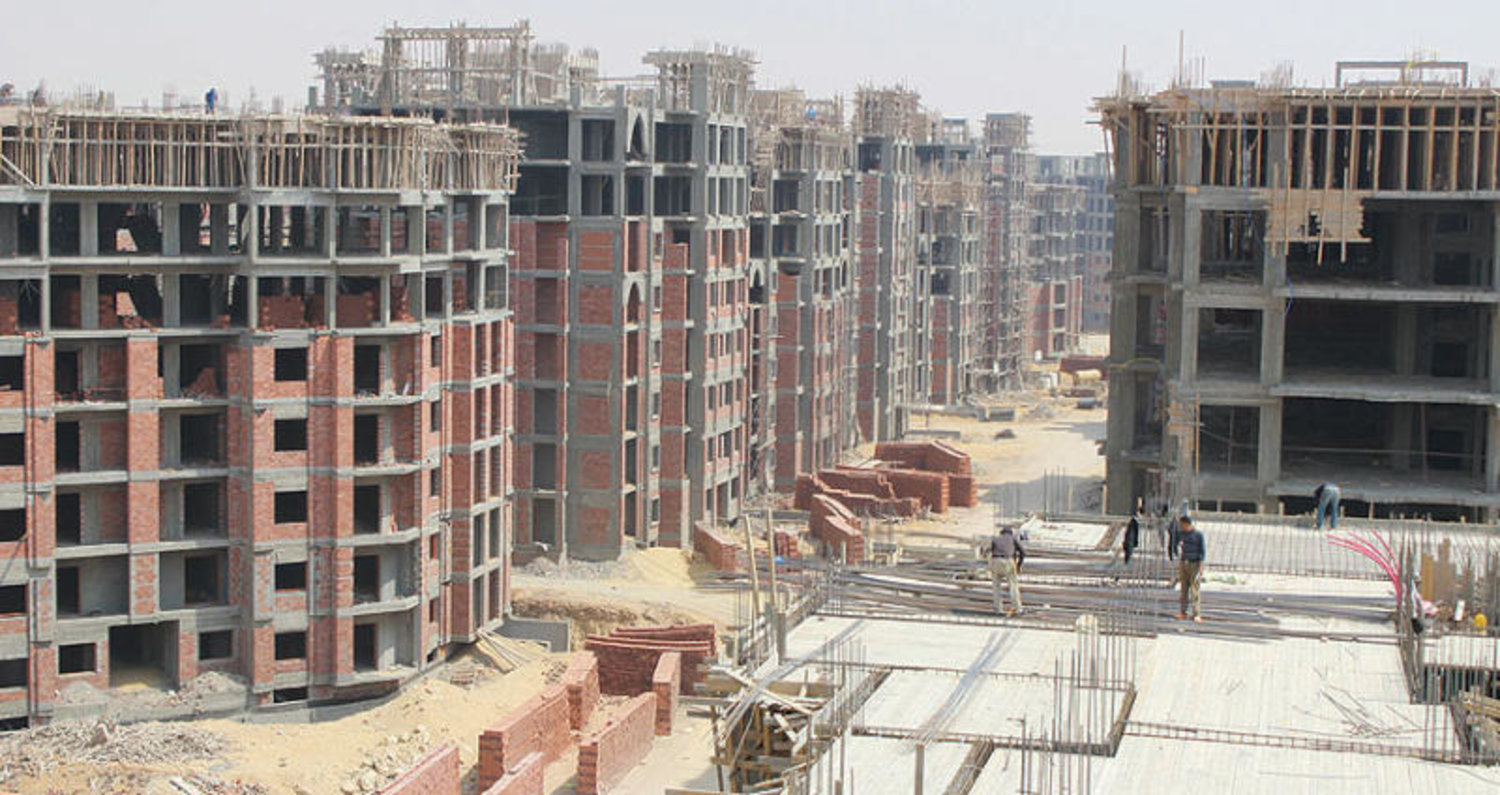
Egypt’s current parliament is witnessing the highest representation of real estate developers in its history, with around 20 members in the House of Representatives and nearly five in the Senate coming from the sector. This strong presence is expected to directly shape the legislative agenda, placing real estate development challenges at the forefront of parliamentary discussions during the current session.
Members of the House of Representatives’ housing committee said upcoming debates will focus on a package of laws aimed at regulating the market and restoring balance among what they described as the “triangle of interests”: the state, investors, and citizens.
Amin Massoud, deputy head of the housing committee, said the government’s legislative agenda includes several priority bills, stressing that parliament will begin discussing them once formally submitted, with the aim of issuing balanced legislation that supports market stability while safeguarding the interests of both citizens and developers.
Developers’ union and escrow accounts
Massoud noted that one of the key files under discussion is the proposed Real Estate Developers’ Union law, alongside addressing so-called “adhesion contracts.” He stressed the need to rebalance contractual relationships and limit punitive clauses imposed on buyers, such as deductions ranging from 10% to 12% of a unit’s total price in cases of financial hardship.
Meanwhile, housing committee member Mahmoud Taher highlighted the importance of introducing independent escrow accounts for each real estate project. He said such accounts would prevent the commingling of funds between projects, ensure that buyers’ payments are used exclusively for their intended developments, and impose banking and regulatory oversight that enhances transparency, reduces default risks, and boosts investor confidence, particularly among foreign investors.
Taher added that activating escrow accounts, alongside implementing a one-stop shop system for permits, would help accelerate licensing procedures and construction timelines.
Occupants’ union and property management
On the Occupants’ Union, Massoud said the committee is reviewing amendments to address gaps in the current law. Proposed changes include granting Occupants’ Union meeting minutes executive power to collect maintenance fees, obligating developers to deposit maintenance funds in separate bank accounts, and prohibiting their use for construction purposes.
The proposals also include expanding the role of professional property management companies, introducing annual maintenance fee adjustments in line with inflation, and granting Occupants’ Unions immediate authority to halt violations, ensuring a smoother transfer of maintenance responsibilities to residents.
Building violations reconciliation and property tax
Massoud revealed that amendments to the Building Violations Reconciliation Law are under consideration to expand its effectiveness, including allowing extensions to implementation periods by a decision of the prime minister.
On property tax, he said parliament is reviewing the current exemption threshold to ensure it aligns with citizens’ purchasing power, describing an increase as a “social necessity” to protect families’ primary residences. Discussions also include simplifying appeal procedures against assessed rental values and ensuring appeals are resolved within 30 days.
Real estate brokerage and land allocation
Massoud added that regulating the market would remain incomplete without a law governing real estate brokerage, noting that the absence of regulation has led to inflated commission rates ranging from 8% to 15%, compared to the historically standard 2.5%.
The proposed legislation aims to fully regulate and digitise the profession, abolish verbal brokerage, recognise commissions only through licensed brokers with tax registration, mandate bank-based payments for large transactions, and impose stricter penalties for unlicensed practice and misleading advertisements.
On land allocation, housing committee member Mohamed Sobhy pointed to difficulties in acquiring land and rising construction material costs as major challenges facing developers.
In this context, Senate member Mohamed Gamea proposed a shift in land allocation philosophy towards a mixed payment system combining cash payments with the delivery of completed housing units to the state. He said the proposal would reduce developers’ financial burdens, support balanced regional development, increase housing supply, and provide the state with a strategic stock of ready units to address long-standing issues such as old rent laws and housing needs for young families and low-income groups.
Meanwhile, housing committee member Ashraf Marzouk stressed the need for a clear land pricing mechanism, including fixing land prices for defined periods, to help developers prepare accurate feasibility studies and limit market volatility.
About the Author