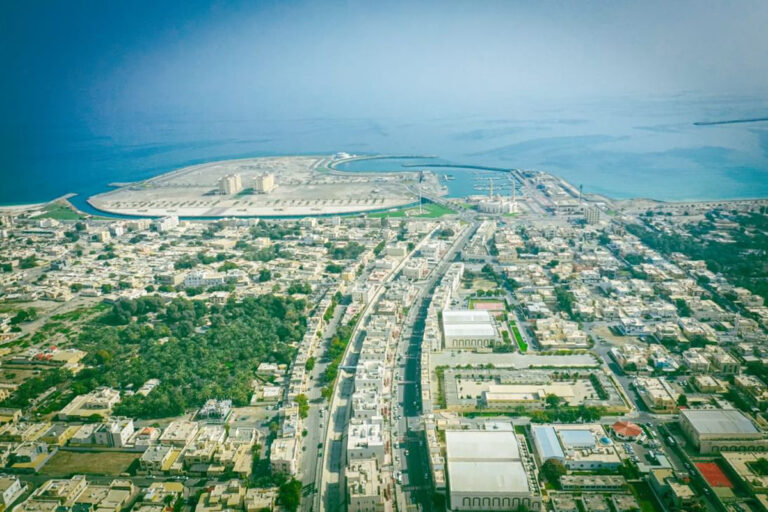
The Kenya National Chamber of Commerce and Industry (KNCCI) has opened a new office in Dubai, marking what officials describe as a critical intervention to protect Kenyan exporters in the Middle Eastern market. Launched on January 15, 2026, the office aims to curb billions of shillings in losses—an estimated Sh6 billion annually in livestock alone, with roughly 156 containers of fresh produce disappearing without compensation each year.
But beyond trade protection, the Dubai office signals something else: Kenya’s deepening economic integration with the UAE is creating a parallel story in real estate investment that’s reshaping how wealthy Kenyans think about property portfolios.
The Billion-Shilling Property Exodus
Recent analysis of Dubai property ownership patterns reveals that Kenya’s wealthiest individuals are parking tens of billions of shillings in the emirate’s luxury real estate market. The trend, documented in a comprehensive study, shows Kenyan capital increasingly flowing into UAE property.
In March 2025, a single Kenyan investor made headlines after purchasing six residential units in Dubai worth Ksh 352 million (AED 10 million) through Springfield Properties. The transaction, celebrated at the company’s sales event, represented just one visible transaction in what appears to be a much larger movement of capital.
This trend isn’t surprising given the numbers. Over 50,000 Kenyans now live and work in the UAE, while bilateral trade between the two nations has reached Sh173 billion. The January 2025 Comprehensive Economic Partnership Agreement (CEPA)—the first such deal between the UAE and a mainland African country—has only accelerated these ties.
The Dubai Advantage
So what’s driving this investment exodus? Here’s what makes Dubai particularly attractive to Kenyan investors:
Tax Benefits
Dubai offers a zero-tax environment on property—no annual property taxes, no capital gains tax on property sales, and no income tax on rental earnings. For high-net-worth Kenyan investors, this translates directly to higher net returns compared to tax-burdened investments elsewhere.
Market Performance
Dubai’s 2025 residential market data shows prime areas delivering consistent yields, supported by strong demand from expatriates and international professionals. The market demonstrates lower volatility compared to many emerging markets, benefiting from diversified economic drivers beyond oil—including tourism, finance, logistics, and technology sectors.
Legal Framework
Dubai’s transparent property ownership laws allow foreigners to hold secure freehold ownership in designated areas. The streamlined purchase process requires minimal documentation, while strong regulatory oversight protects buyer interests throughout transactions.
Residency Pathway
Property investment in Dubai unlocks long-term UAE residency: an AED 2 million investment (approximately Ksh 70 million) qualifies for a 10-year Golden Visa, while properties valued at AED 750,000 (roughly Ksh 26 million) offer a 2-year residency visa. This provides full access to UAE banking, business, and lifestyle benefits—adding strategic value for business owners with Gulf operations.
Lifestyle & Infrastructure
Dubai delivers world-class healthcare and education facilities alongside modern infrastructure and connectivity. The safe, cosmopolitan environment is increasingly accessible, with Emirates operating 21 weekly flights between Nairobi and Dubai starting March 2026.
The Trade-Property Connection
Since Kenya and the UAE signed CEPA in January 2025, both governments have moved aggressively to deepen ties. In November 2025, President Ruto hosted a delegation from Sharjah led by Abdulla Sultan Al Owais, Chairman of the Sharjah Chamber of Commerce, to discuss partnerships in infrastructure, energy, ICT, and agriculture.
These strengthening business relationships create natural property demand. As more Kenyan companies establish UAE operations, as trade delegations become routine, and as the Kenyan diaspora in the UAE continues growing, the need for residential and commercial property follows. The KNCCI office will provide due diligence services, payment protection, and market intelligence—essentially making it easier for Kenyan businesses to operate in Dubai, which in turn drives demand for property.
The numbers support this trajectory. The UAE now ranks as Kenya’s fifth-largest export destination and fourth-largest import source, with outbound shipments valued at USD 401.5 million (Sh51 billion) in 2023. CEPA projects Kenya’s exports to the UAE could increase by up to 40% within five years, suggesting an even larger Kenyan presence in the Emirates ahead.
The launch of KNCCI’s Dubai office represents a recognition that Kenya and the UAE are building a substantial economic corridor. For property investors, this creates a clear opportunity: as bilateral ties strengthen, as more Kenyans work and do business in the UAE, and as regulatory frameworks become more aligned, cross-border property investment becomes less exotic and more strategic.
About the Author