The murder of renowned Indigenous activist and environmental defender Berta Cáceres in Honduras in 2016 was an organized criminal operation funded by money from two international development banks that was diverted away from a controversial extractive project to pay for illegal activities and murder, according to a new report.
An independent group of experts tasked by the Inter-American Commission on Human Rights (IACHR) with investigating the crime concluded that a criminal network diverted 67% of the more than $18.5 million provided by the Central American Bank for Economic Integration (Banco Centroamericano de Integración Económica — BCIE) and the Dutch Development Bank (FMO) for the Agua Zarca hydroelectric project to pay for illegal surveillance and intelligence operations, armed incursions, and the assassination of Cáceres.
“It’s a perversion of the system that’s supposed to regulate these development projects,” said Roxanna Altholz, an international human rights lawyer and one of the report’s lead investigators.
The IACHR announced the creation of the Interdisciplinary Group of Independent Experts (Grupo Interdisciplinario de Expertos Independientes – GIEI) responsible for producing the report in February 2025 to support the ongoing Honduran government investigation into Cáceres’ murder, which has been harshly criticized and dogged by irregularities.
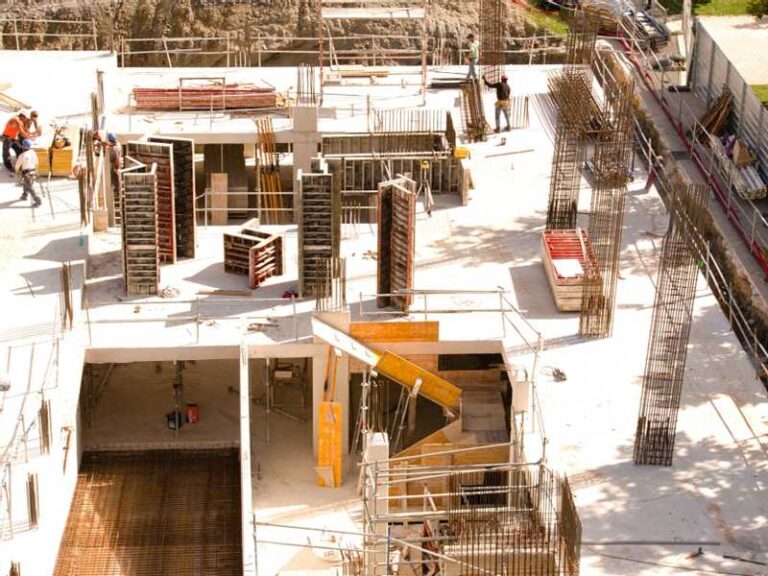
Cáceres and the organization she founded, the Civic Council of Popular and Indigenous Organizations of Honduras (Consejo Cívico de Organizaciones Populares e Indígenas de Honduras – COPINH), vehemently opposed the construction of the Agua Zarca dam. It sat along the Gualcarque River in the Río Blanco region of Intibucá department, Indigenous territory in western Honduras that the Lenca people consider to be sacred.
SEE ALSO: Private Messages Further Link Honduras Elites to Berta Cáceres Murder
After years of resistance led by COPINH, a team of hitmen killed Cáceres in her home in southwest Honduras in early March 2016 and wounded Mexican environmental activist Gustavo Castro. Honduran prosecutors later uncovered that a network of Honduran business elites, a US-trained Honduran army intelligence officer, and former Honduran soldiers orchestrated the killing.
Eight people were later arrested and convicted for their roles in the murder, including Roberto David Castillo Mejía, the former executive director of Desarrollos Energéticos SA (DESA), a company owned by the powerful Honduran Atala Zablah business family that managed the dam’s construction. DESA’s former head of security was also convicted for helping arrange the killing. However, the government’s official investigation has been criticized for not pursuing all of the intellectual authors allegedly involved.
Years after the murder, private messages analyzed by Honduran prosecutors revealed that the hit squad coordinated with the highest levels of DESA’s leadership. One chat included Castillo Mejía and DESA’s Chief Financial Officer Daniel Atala Midence, as well as DESA board members José Eduardo Atala Zablah and Pedro Atala Zablah. Castillo Mejía was the only one of those individuals to be convicted. The Atala Zablah family has long denied any involvement in the high-profile killing.
Shell Companies Shield Murder Payments
In order to finance the dam’s construction in Honduras, DESA submitted several construction requisition forms to the BCIE and FMO that detailed what DESA needed the money for and the construction company that would be paid.
The banks reviewed those requests and authorized the disbursement of the funds. The money flowed through a trust that was managed by Deutsche Bank in New York and ultimately to the main contractor listed in the agreement, a Guatemalan construction company called COPRECA.
COPRECA was named as the final recipient of the funds, but the report found that the bank account number listed in the documents belonged to a shell company called Concretos del Caribe SA (CONCASA). That company was founded by Castillo Mejía, DESA’s former executive director. And shortly before Cáceres’ murder, Castillo Mejía transferred administrative control of CONCASA to Atala, DESA’s former chief financial officer.

The report’s investigators tied one $2.6 million deposit the development banks made to CONCASA’s account in December 2015 directly to Cáceres’ murderers. Daniel Atala authorized a portion of that money to be transferred to offshore accounts linked to DESA. In March 2016, two days after the crime, about $25,000 was cashed out in the name of several low-ranking DESA officials and delivered to the team of hitmen who murdered Cáceres.
“Development funds intended to improve Honduras were instead funneled to an already wealthy family with no experience building hydroelectric dams and were ultimately used to finance violence and tear apart the social fabric,” Altholz told InSight Crime.
A spokesperson for the BCIE told InSight Crime that the bank has an “unwavering ethical commitment” and has since “strengthened all of our anti-fraud and anti-corruption policies and actions in every possible area.”
SEE ALSO: Extractives and Environmental Destruction in Western Honduras
The Atala Zablah family has denied they played any role in the killing, but Altholz said the financial trail detailed in the report makes it “very difficult to accept that they were unaware of how those funds were ultimately used.”
Text messages intercepted by Honduran prosecutors show that Castillo Mejía was in direct communication with the leader of the hit squad at the same time the funds controlled by CONCASA were being transferred to pay for the assassination, according to the report.
In December 2023, Honduran prosecutors issued an arrest warrant for Daniel Atala, but he remains a fugitive. Neither the FMO nor the Atala Zablah family’s legal team responded to InSight Crime’s request for comment before the time of publication.
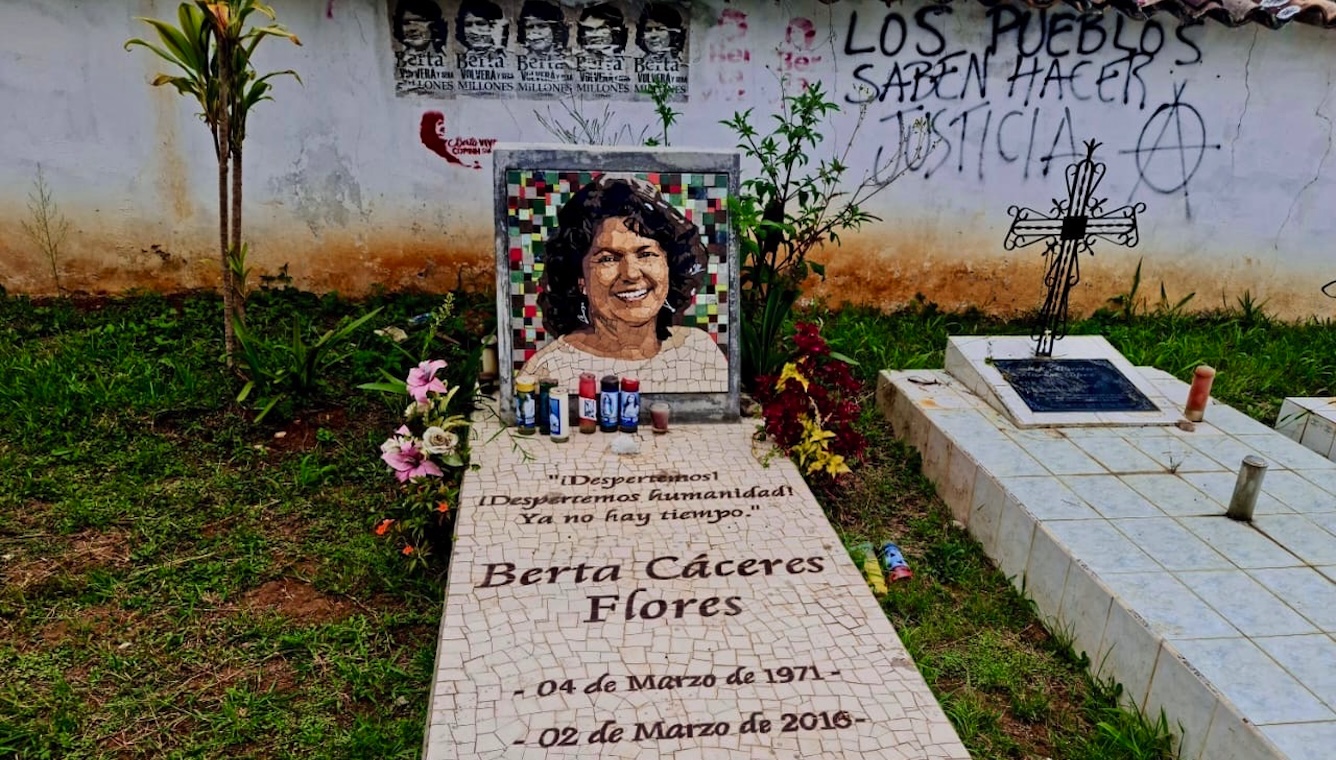
Featured image: Berta Cáceres’ gravesite in western Honduras. Credit: InSight Crime
About the Author