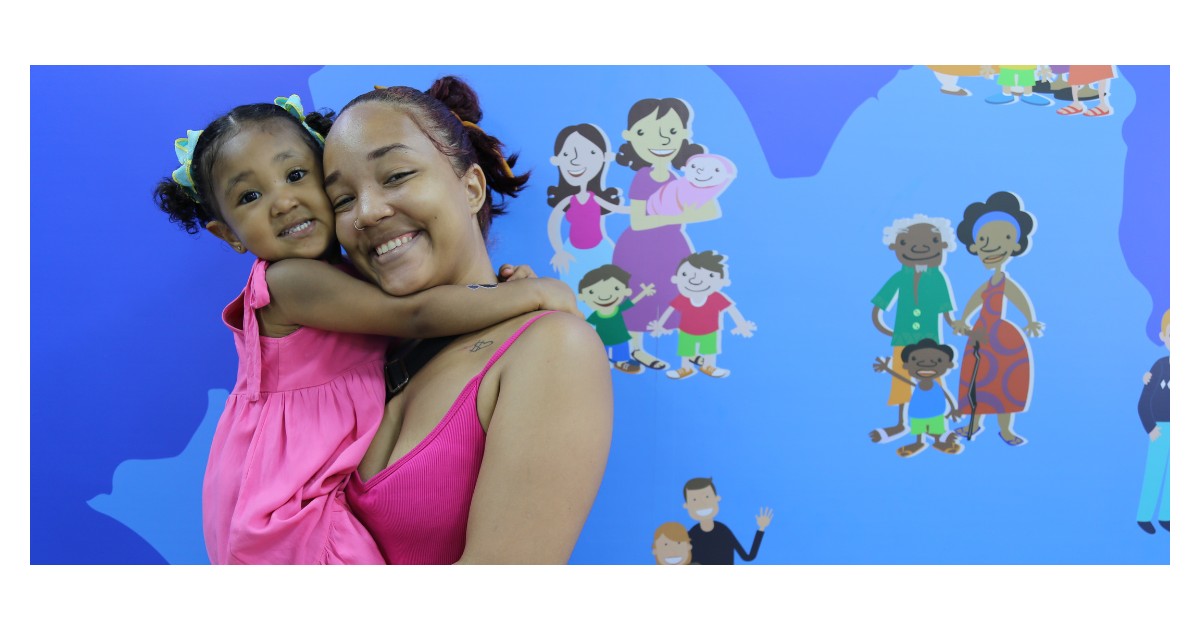
A real understanding of the impact of economic inclusion programs comes from seeing lives change—standing beside women building small businesses, young people stepping into formal jobs, and families beginning to plan for the future. These moments become possible and inevitable when governments and their partners invest the time and resources to design and deliver economic inclusion for the poor.
In Brazil, a new generation of economic inclusion programs is taking shape, one that goes well beyond the country’s globally known Bolsa Família. Behind these transformations lies an often invisible piece of infrastructure that makes them possible at scale: the social registry. Brazil’s Cadastro Único, the Unified Registry for Federal Government Social Programs, has become a critical bridge between social protection and labor markets.
Through the World Bank’s Jobs for the Poor (J4P) Impact Program, government leaders from 11 countries came together to learn how this employment delivery system enables large-scale economic inclusion. The debate is no longer about whether these programs work as the evidence is now unmistakable.
Social registries: Making scale possible
Brazil’s Cadastro Único registry serves 93 million people—43 percent of the population—through three key functions. First, it identifies those hardest to reach: 75 percent of registrants live in households that earn below half the minimum wage. Second, it serves as a gateway to opportunity, connecting people not just to cash transfers but also to professional training, entrepreneurship support, and formal employment. Third, it enables coordination, allowing federal and state programs to work seamlessly together—linking cash transfers to skills training, entrepreneurship support to microcredit, and integrating private sector employers. The registry transforms from a targeting tool into a platform for economic mobility.
What this looks like on the ground
We are already seeing the impacts. At a marketplace in Salvador, for instance, family farmers supported through rural productive inclusion programs are now supplying major buyers and expanding into new markets. At urban community training centers, women are receiving business support and equipment to turn their home activities into viable micro-enterprises. At a call-center site, partnerships between government and private employers are opening doors to formal wage jobs for young people.
Every one of these participants was registered in Cadastro Único. The registry connected them to coordinated support, including professional training, business structuring agents, and access to productive microcredit.
The urgency and the opportunity
The evidence is clear. When income support is paired with business capital, training, coaching, and access to markets, poor and vulnerable households can earn, save, and invest. They climb the first step onto the ladder of opportunity. Women gain a voice. Young people find pathways into work. And families find stability.
The real question is how fast, and how far, can these approaches reach people. That question is urgent. Across the world, countries face immense pressure to respond to deepening jobs crises that hit poor households first and hardest.
Brazil shows that reaching these populations at scale requires foundational infrastructure. Social registries serve as the critical hinge between social protection and labor market systems. Among Cadastro Único registrants with the lowest incomes, the unemployment rate reaches 44 percent—far above the national rate. For those employed, 86 percent work informally. The social registry makes it possible to reach these people systematically, linking them to skills pathways, business structuring services, market access, and protective support during transitions.
From shared learning to shared action
Scale is not something countries can achieve alone. The J4P Impact Program helps governments learn from innovations like Brazil’s, exploring how social registries, economic inclusion programs, and private sector partnerships are combined to expand opportunity.
About the Author