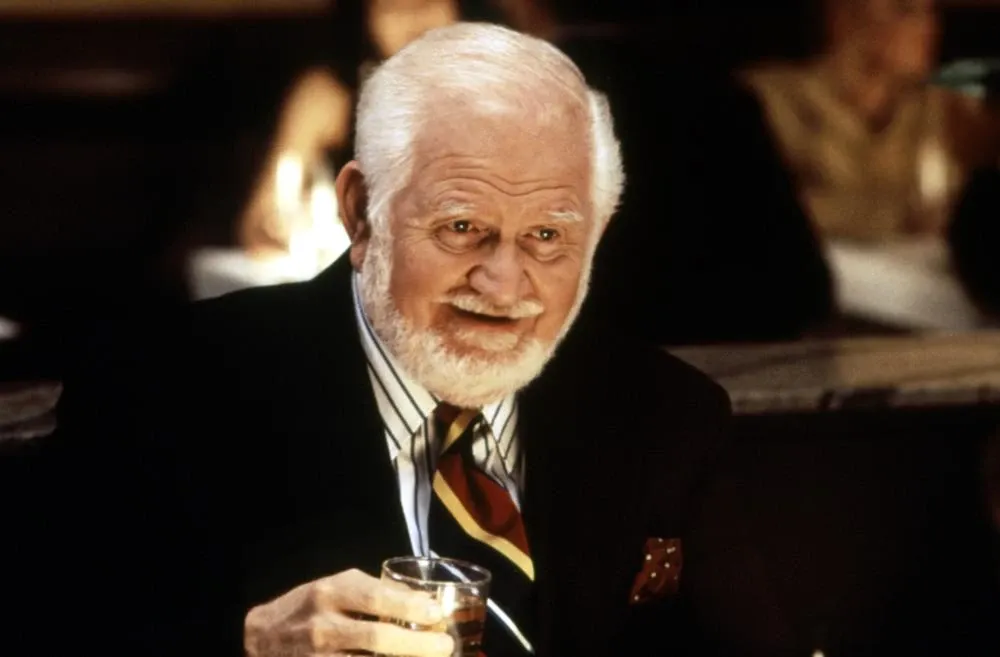
There’s a moment in The Holiday (2006) where 90-year-old Eli Wallach teaches Kate Winslet about becoming the leading lady of her own life. He’s Arthur Abbott, a Golden Age screenwriter forgotten by Hollywood, and watching him is like glimpsing something already extinct. Director Nancy Meyers kept reminding Wallach to slow down during filming—too much energy for an elderly character. But that vitality made you believe.
Watch that film now and you’re seeing ghosts. Not just Wallach. An entire spectrum of faces that once populated cinema.
Modern blockbusters feel hollow. Not poorly made—hollow. They cluster around the same narrow demographic, 35 to 45-year-olds saving worlds in increasingly identical ways. No weathered hands guiding younger ones. No children leading actual adventures without CGI safety nets. No elderly voices offering hard-won wisdom or crusty defiance.
Films lost their soul. The texture of life—where twelve-year-olds matter and eighty-year-olds still drive plots forward—vanished somewhere between the algorithms and the tentpoles.
This isn’t nostalgia. It’s measurable loss.
What We Mean By Soul
Pick up any film from 1985, 1992, 1998. Notice who shares the frame.
Robert Prosky didn’t start his film career until 49, after 23 seasons at Arena Stage. Michael Mann cast him as a gangster in Thief (1981), launching two decades of gruff warmth—the understanding boss in Mrs. Doubtfire who gives Robin Williams a chance despite the chaos, the toy company executive in Big who actually listens because he remembers what play feels like. When Prosky appears on screen, fictional worlds become inhabited. You believe people work there. Care.
Wilford Brimley was only 49 filming Cocoon but played men twenty years older. That crusty dignity transcended makeup. “I shoulda been a farmer,” his baseball manager mutters in The Natural, but you know he wouldn’t trade those decades in the dugout for anything. Not technique—soul.
The Goonies (1985) trusted $19 million to kids hunting pirate treasure. No adult supervision. Just Mikey Walsh rallying his friends with “Goonies never say die” and meaning it. Stand By Me (1986) let twelve-year-olds walk railroad tracks toward a dead body, exploring friendship and mortality without softening edges. E.T. became one of the highest-grossing films ever with eleven-year-old Henry Thomas carrying emotional weight. That scene where Elliott screams “You could be happy here!” at his brother—raw, desperate, real.
Multiple generations in conversation. Kids learning from elders. Adults caught between caring for children and aging parents. The messy, complicated space where humans of different ages actually connect.
That’s what gave films soul. Not polish. Truth.
The Faces That Brought Life
William Hickey’s raspy voice turned Uncle Lewis’s grace before meals in Christmas Vacation into one of cinema’s great comedic beats. Vincent Gardenia could play anything—the loving father in Moonstruck believing in his daughter even when she can’t see straight, the baseball manager in Bang the Drum Slowly watching dreams die slowly. Always specific. Always real.
The Shrinking Spectrum of Life
From full intergenerational storytelling to a narrow demographic slice
When Every Generation Mattered
(1980s-1990s)
10-15 years
30-45 years
70-90 years
After The Collapse
(2010s-2020s)
10-15 years
30-45 years
70-90 years
Modern cinema abandoned children and elders—leaving a hollow middle where only the “marketable” demographic exists. The spectrum collapsed into a narrow band of identical 35-45 year-olds saving worlds.
M. Emmet Walsh appeared in over 200 films, that shifty presence elevating everything from Blade Runner to Blood Simple to Raising Arizona. Roger Ebert coined the “Stanton-Walsh Rule”—no film featuring Walsh or Harry Dean Stanton could be altogether bad. Hyperbole, maybe. Mostly true.
These weren’t leads. They were connective tissue. The grandparent figures, mentors, witnesses. They made movies feel like communities where different generations existed in the same space. Arguing. Learning. Occasionally understanding each other across decades of experience.
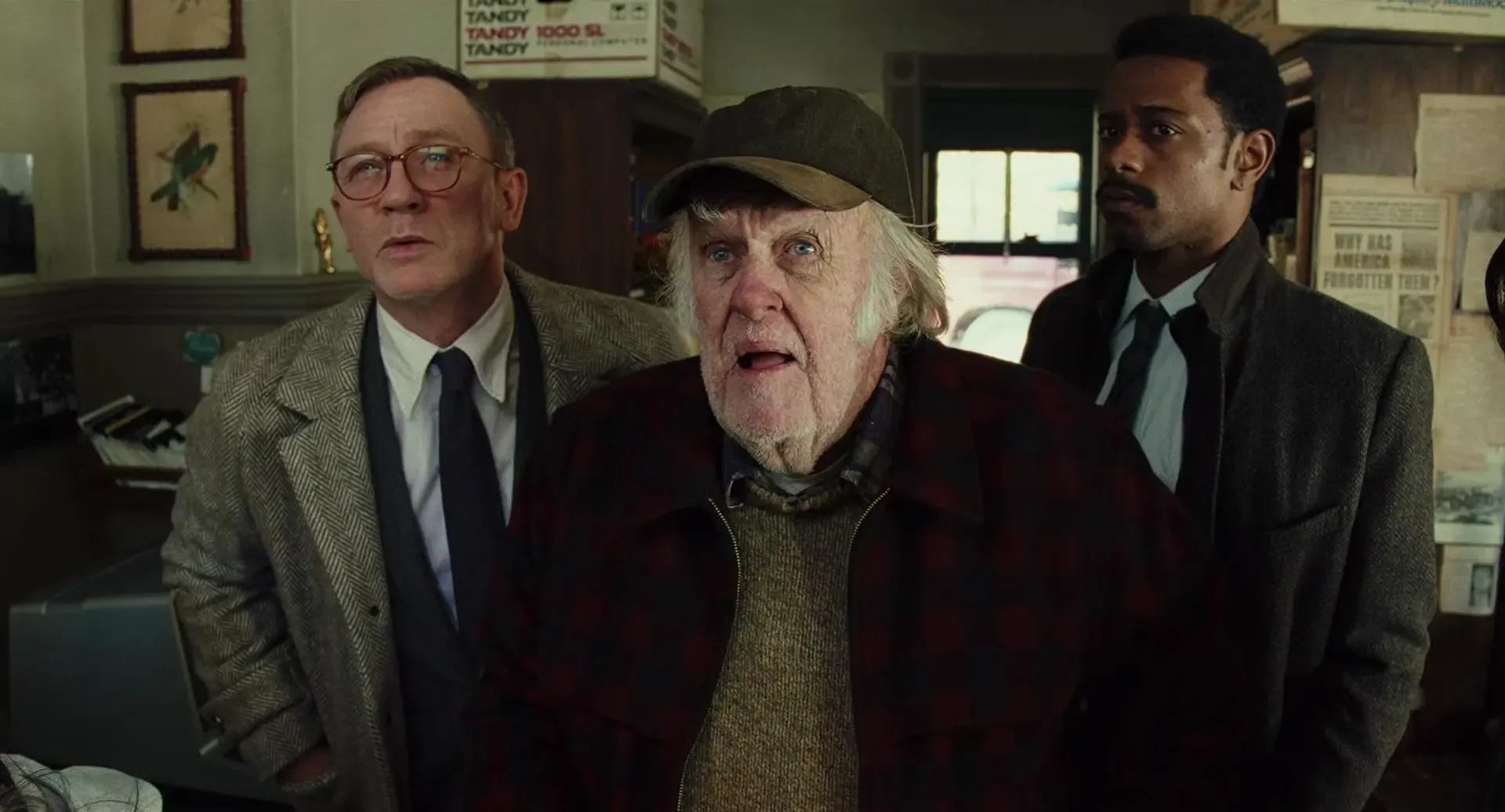
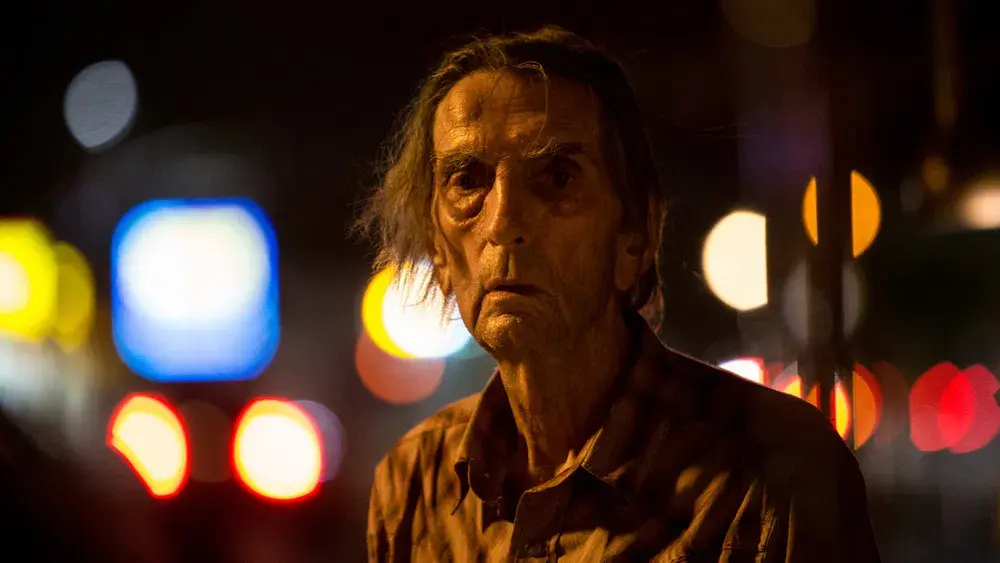
M. Emmet Walsh in Knives Out (2019) and Harry Dean Stanton in Lucky (2017)
Driving Miss Daisy (1989) explored an unlikely friendship across race, class, and age. Morgan Freeman’s 60-year-old driver and Jessica Tandy’s 72-year-old employer learning to see each other. Simple. Powerful. $145 million on an $8 million budget. Fried Green Tomatoes (1991) wove Kathy Bates’s middle-aged crisis with Jessica Tandy’s elderly storytelling about Depression-era Alabama. Four generations of perspective in one narrative.
Even comedies trusted intergenerational dynamics. Grumpy Old Men (1993) starred Jack Lemmon (68) and Walter Matthau (73) as feuding neighbours. Earned $70 million because audiences wanted to watch old men be funny, petty, human.
When did that become unmarketable?
The Kids Who Had Agency
The Sandlot (1993). The Mighty Ducks (1992). The Karate Kid (1984). The NeverEnding Story (1984). Home Alone (1990).
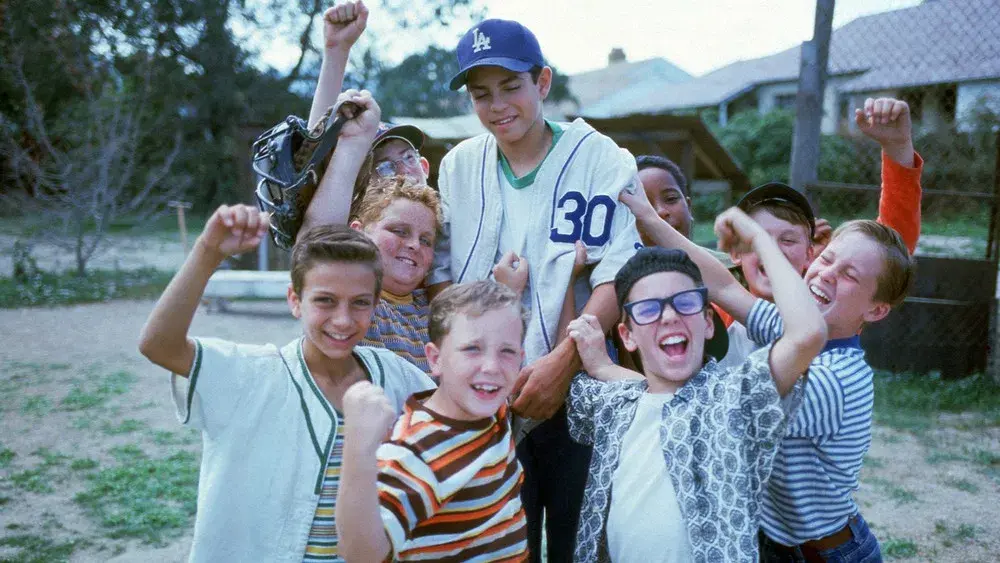
These films understood childhood has dramatic potential. Real stakes. Kids make mistakes, face consequences, learn hard truths without adults swooping in to resolve everything. They’re not miniature adults or comic relief—they’re protagonists. Us at our most vulnerable and brave.
Ralph Macchio’s adolescent insecurity powered The Karate Kid. The loneliness. The humiliation. The slow building of discipline and self-worth. Ten-year-old Bastian in The NeverEnding Story carried the weight of imagination and loss on his shoulders. Macaulay Culkin in Home Alone wasn’t just adorable—he was resourceful, terrified, triumphant.
When modern films do include children, they’ve become the problem. Angsty teenagers glued to devices. Sullen, disrespectful, one-dimensional obstacles for adults to navigate around. Gothic. Emo. Eye-rolling. Comic relief based on stereotypes about “kids these days.”
Or worse – mini-adults with quippy MCU dialogue. Precocious kids spouting one-liners and pop culture references, thinking like 35-year-olds in smaller bodies. No actual childlike perspective. No genuine vulnerability or wonder or confusion. Just shorter people being sarcastic.
Compare Mikey Walsh in The Goonies rallying his friends with genuine courage to the typical modern portrayal – a kid who won’t look up from their phone long enough to notice the plot.
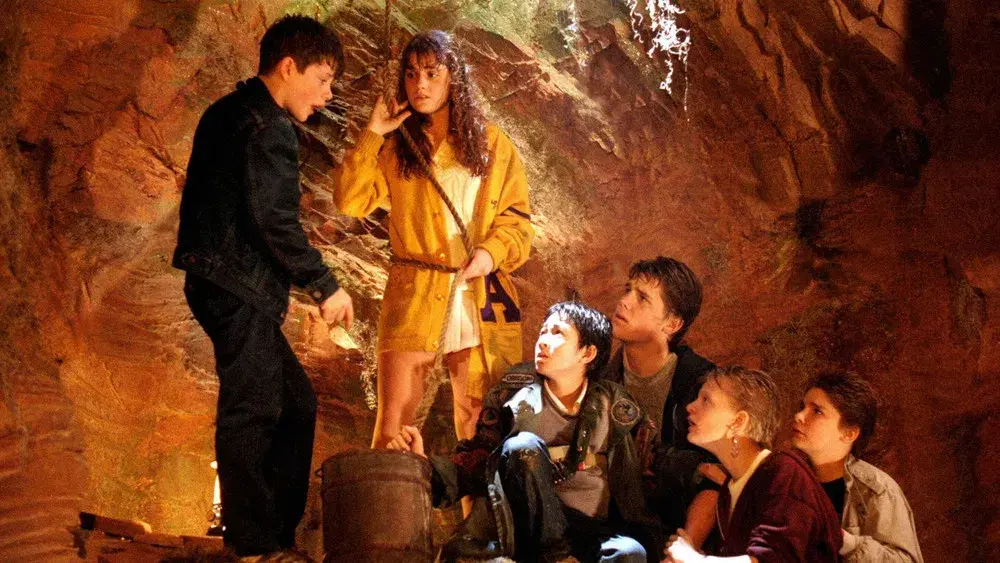
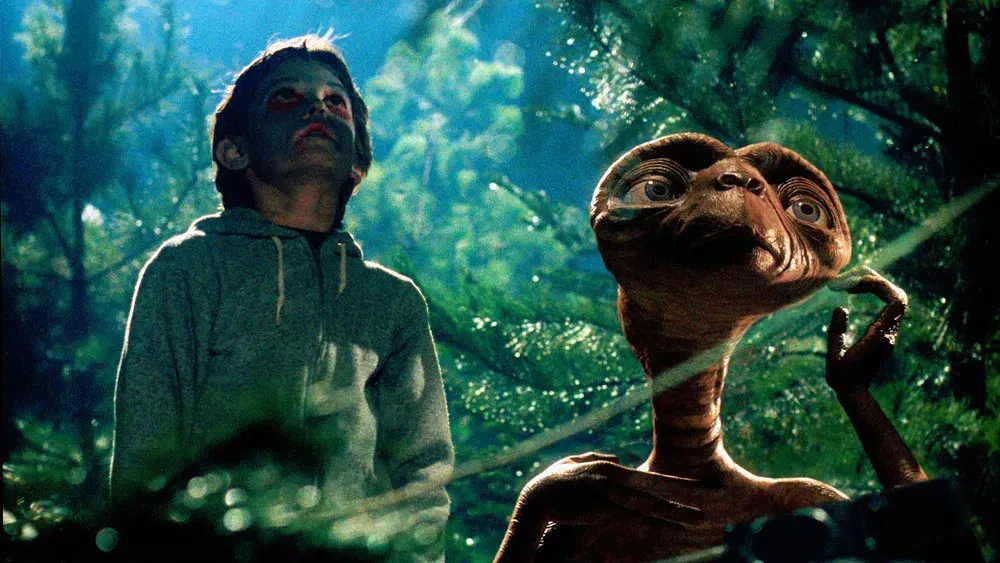
Mikey Walsh in The Goonies and Elliott in E.T.
Elliott in E.T. feeling everything with desperate intensity, processing emotions like an actual child, versus the preteen who talks like a sitcom writer’s room brainstorming session.
Stand By Me let twelve-year-olds grapple with death, friendship, and growing up with authentic confusion and fear. Modern films give us kids who sound like they’ve already processed everything through therapy and ironic detachment.
Animated films consumed the family market (Frozen, Moana, Encanto). Superhero films replaced PG adventures with PG-13 spectacle. Why watch peers on bicycles when you can watch Spider-Man?
Live-action kid films that attempt theatrical releases fail. Diary of a Wimpy Kid: The Long Haul (2017) earned $15 million domestically on a $22 million budget. Monster Trucks (2016) lost Paramount $115 million. The few survivors—Paddington, Jumanji sequels—lean on CGI and franchise recognition.
Original child-led adventures premiere on streaming now. Disappear into algorithm queues where no one accidentally discovers them. And even there, when kids appear, they’re more likely to be problems than protagonists.
The Economics That Killed Soul
Between 1996 and 2001, 36% of theatrical releases had budgets between $15 and $65 million. By 2016-2021, that figure collapsed to 5%—an 86% decline, according to data analysed by The College Contemporary.
Yes, bad films existed then too. Plenty of forgettable mid-budget duds disappeared without trace. But the sheer volume meant more variety, more swings, more chances for something with actual soul to break through. The floor was higher because studios were taking more bets.
Matt Damon called these “$20 million to $70 million movies” his “bread and butter.” You need those roles to develop as an actor, he told The New York Times. Build your career. “Those are gone.”
Gone into a barbell distribution. Mega-budget tentpoles at $100 million-plus, engineered for global audiences. Micro-budget indies under $15 million, limited theatrical runs. The sweet spot that produced Dead Poets Society ($16.4 million budget, $235 million gross) or A Few Good Men ($33 million, $243 million) effectively vanished.
Consider Paramount’s evolution. 1997 slate: 19 films, budgets from $740,000 to $80 million. The studio took risks across the spectrum. By 2014? Eleven releases. Nearly all huge franchises or tiny indie pickups.
Film researcher Stephen Follows found the inflation-adjusted average production budget jumped from $63 million (1990) to $141 million (2019) for top-20 grossing films. Studios learned spending money makes money. Mid-budget films don’t fit the equation.
But mid-budget films funded soul. They could afford Robert Prosky, Eli Wallach, Wilford Brimley in supporting roles. Could gamble on unknown child actors. Let tension come from relationships, not CGI destruction.
Hook (1991) cast 56-year-old Maggie Smith as elderly Wendy opposite Robin Williams’s middle-aged Peter Pan. A $70 million blockbuster built its most powerful scene around elderly grace.
Big ($18 million) gave Robert Prosky’s toy company boss genuine warmth. Broadcast News ($20 million) let him anchor the newsroom as the veteran producer trying to maintain standards in a changing industry. These weren’t effects-driven spectacles. Character studies trusting audiences to care about faces, voices, relationships.
Studios making $200 million films for international markets don’t risk unproven child actors when Marvel stars have proven appeal. Don’t see economic incentive in casting character actors in their 70s and 80s when every role needs global “marketability.”
The space for those faces vanished with the economics.
Why Studios Fear Texture
There’s another pressure beyond economics. Cultural risk-aversion.
Mr. Miyagi’s elderly Japanese mentor teaching Daniel-san in The Karate Kid (1984) – would that dynamic survive modern scrutiny? An older man with that level of authority over a teenage boy? The film’s cultural appropriation questions? The “wax on, wax off” servant labour framing?
Dead Poets Society‘s inspiring teacher telling students to “seize the day” and question authority played as heroic in 1989. Today? Some might see grooming dynamics. Inappropriate boundary-crossing. An adult man encouraging minors to rebel against their parents.
Mrs. Doubtfire‘s cross-dressing played for laughs in 1993. The gender dynamics in Driving Miss Daisy. Even Grumpy Old Men‘s crusty sexism was considered charming once.
Studios know this. They’re terrified.
The numbers prove it. Film researcher Stephen Follows analysed nearly 6,000 films released between 2016-2025 and tracked which moral lessons appeared most frequently. “Acceptance and inclusivity” as a theme declined significantly over that period. Not because those films flopped financially – but because studios simply stopped making as many of them. The volume dropped.
Not because those values don’t matter. Because studios became terrified of getting it wrong.
Not just international markets they fear. Domestic backlash. Twitter pile-ons. Think pieces dissecting every power dynamic. They’ve watched older films get reassessed and seen cultural landmines everywhere.
So they retreat. Make nothing with edges. Nothing culturally specific enough to offend anyone. Nothing with messy dynamics between generations where an elderly figure might say something outdated or a kid might face real danger.
The irony?
In trying to offend no one anywhere, they’ve stripped away what made films feel real. – ME!
Real elderly people have outdated views alongside hard-won wisdom. Real mentorship involves power imbalances. Real families have complicated dynamics that don’t resolve cleanly. That’s where soul lives.
Studios used to trust audiences to handle complexity. To see an elderly character’s flaws alongside their value. To watch human relationships unfold with all their complications without demanding perfect alignment with current frameworks.
Now? Bland safety. Young adults in their 30s and 40s having adventures that offend no one.
We lost the space where Eli Wallach could play a screenwriter with outdated ideas who still taught something true. Where kids on bicycles faced real stakes. Where elderly faces carried both wisdom and prejudice, and films trusted us to handle both.
Studios weaponised progressivism into an excuse for demographic homogenisation. Cinema’s soul paid the price.
Why Global Markets Killed Local Faces
Hollywood used to sell films to America. By 2016, 60% of revenue came from overseas – double what it was in 1991. China became the prize. First quarter 2018, Chinese box offices outearned North America for the first time ever.
That killed regional faces.
Robert Prosky’s thick New York accent doesn’t translate. Wilford Brimley’s crusty American authenticity means nothing to audiences in Shanghai. Kids from specific cultural backgrounds navigating particular rites of passage? Too local. Too specific. Too real.
Studios started casting for global appeal. Younger stars with marketable faces. Visual spectacles that play anywhere – superhero films with striking imagery and simple plots. A Coen Brothers film about 1960s folk music doesn’t export. Neither does cultural specificity.
The weathered character actors who made films feel inhabited carried cultural texture. That became a liability.
Tom Cruise can still perform stunts at 60 and sell globally – but he’s selling spectacle, not the intimate intergenerational storytelling of Tender Mercies. Co-productions demanded demographic homogenisation over authenticity.
The global market required it. Regional souls paid the price.
We traded Eli Wallach’s wisdom and those kids on bicycles for formulaic product that plays equally well – or equally hollow – in every market on earth.
The appetite exists. People still want to watch elderly faces carry wisdom, middle-aged adults grapple with responsibility, children face real stakes. They want films that feel like life.
What’s missing is faith. Studios don’t believe audiences will turn out for Robert Prosky’s gruff warmth or kids on bicycles over superheroes. Don’t trust that intergenerational stories can compete with spectacle.
Sometimes they’re wrong. When given the chance, these films break through. Not always. Not reliably. But enough to prove the soul still matters.
Maybe someone remembers. Maybe a new generation of filmmakers who grew up watching Eli Wallach and Wilford Brimley and those kids in The Goonies starts making decisions. Maybe they rediscover that films feel real when multiple generations share the frame.
Or maybe we’ve permanently traded cinema’s soul for algorithms and global markets.
The faces that made us believe. The twelve-year-olds who had agency. The eighty-year-olds who still drove plots forward. That was cinema’s soul.
We should remember it existed. We should fight to bring it back.
About the Author