Former CNN anchor Don Lemon was released from custody after being arrested in connection with his coverage of a protest at a Minnesota church, a case that has quickly raised constitutional questions about press freedom and protest reporting.
Lemon was freed on a no-money bond following a decision by U.S. District Judge Patricia Donahue. His attorney, Marilyn Bednarski, said Lemon plans to fight the charges and will enter a not guilty plea.
“He’s committed to fighting this case,” Bednarski said.
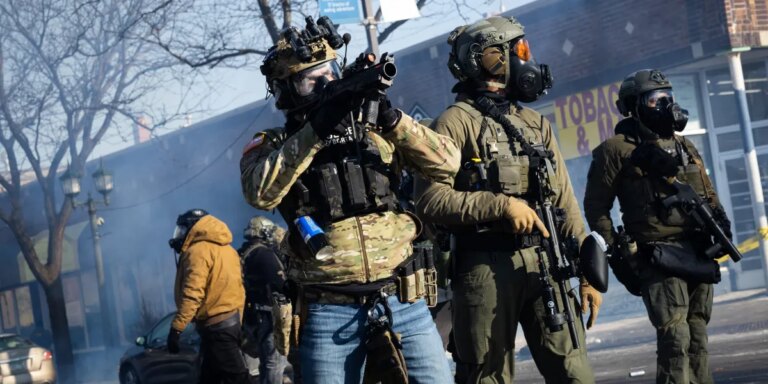
Federal prosecutors allege Lemon crossed a legal line during the protest by moving from activity protected under the First Amendment to conduct that interfered with the rights of others to practice their religious beliefs. The charges include conspiracy against rights and violations of the Freedom of Access to Clinic Entrances Act, a law that covers both reproductive health facilities and houses of worship.
The case follows a series of unusual legal steps by the government. Last week, Minnesota Chief District Judge Patrick Schiltz rejected an effort to revive arrest warrants for Lemon and others connected to the protest, writing that there was no evidence a crime had been committed. Prosecutors then sought intervention from the U.S. 8th Circuit Court of Appeals, a move Schiltz described as “unheard of” in the district.
The protest took place at a church in St. Paul, where Lemon livestreamed events and interviewed demonstrators, congregants, and a pastor. During one exchange, a church attendee told Lemon he felt “violated” by the protest.
“I’m not saying it’s pretty or messy or couldn’t be better, but that this is part of a much larger dialogue,” the attendee said, before ending the interview and telling Lemon he was “not a journalist.”
Assistant Attorney General Harmeet K. Dhillon later said, “Journalism is not a shield when you are involved in a crime.”
Press freedom advocates have sharply criticized the arrest. “These arrests, under bogus legal theories for obviously constitutionally protected reporting, are clear warning shots aimed at other journalists,” said Seth Stern.
About the Author