The countdown to the annual Ramadan drama marathon has officially begun. With only days separating audiences from the start of the holy month, the Egyptian and Arab television industry is already deep into one of its most competitive seasons in years. As Ramadan 2026 approaches, the race has moved decisively from behind-the-scenes negotiations into the public eye, marked by confirmed contracts, official announcements, and an increasingly clear production map—one that points unmistakably to a season led by women.
This year carries a noticeably different rhythm and intensity. Between the return of leading actresses absent from Ramadan drama for several years, the continued dominance of established stars, and the confident rise of younger names asserting their presence, the 2026 season appears poised to reshape the balance of power in television drama. Production companies have moved early to secure their leading actresses, recognising that success now depends not only on star power, but on strong writing, relevant themes, and the ability to engage an increasingly discerning audience.
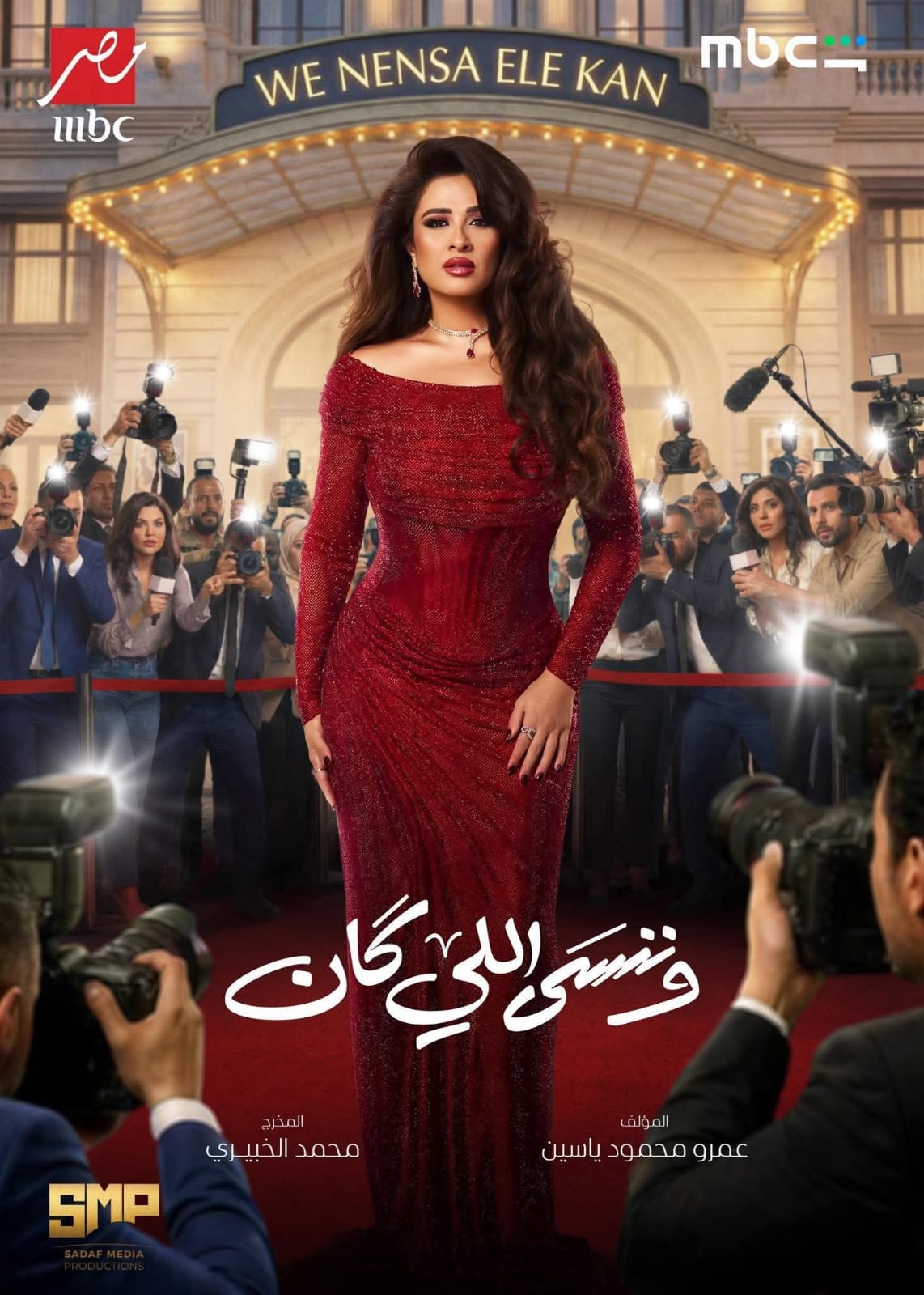
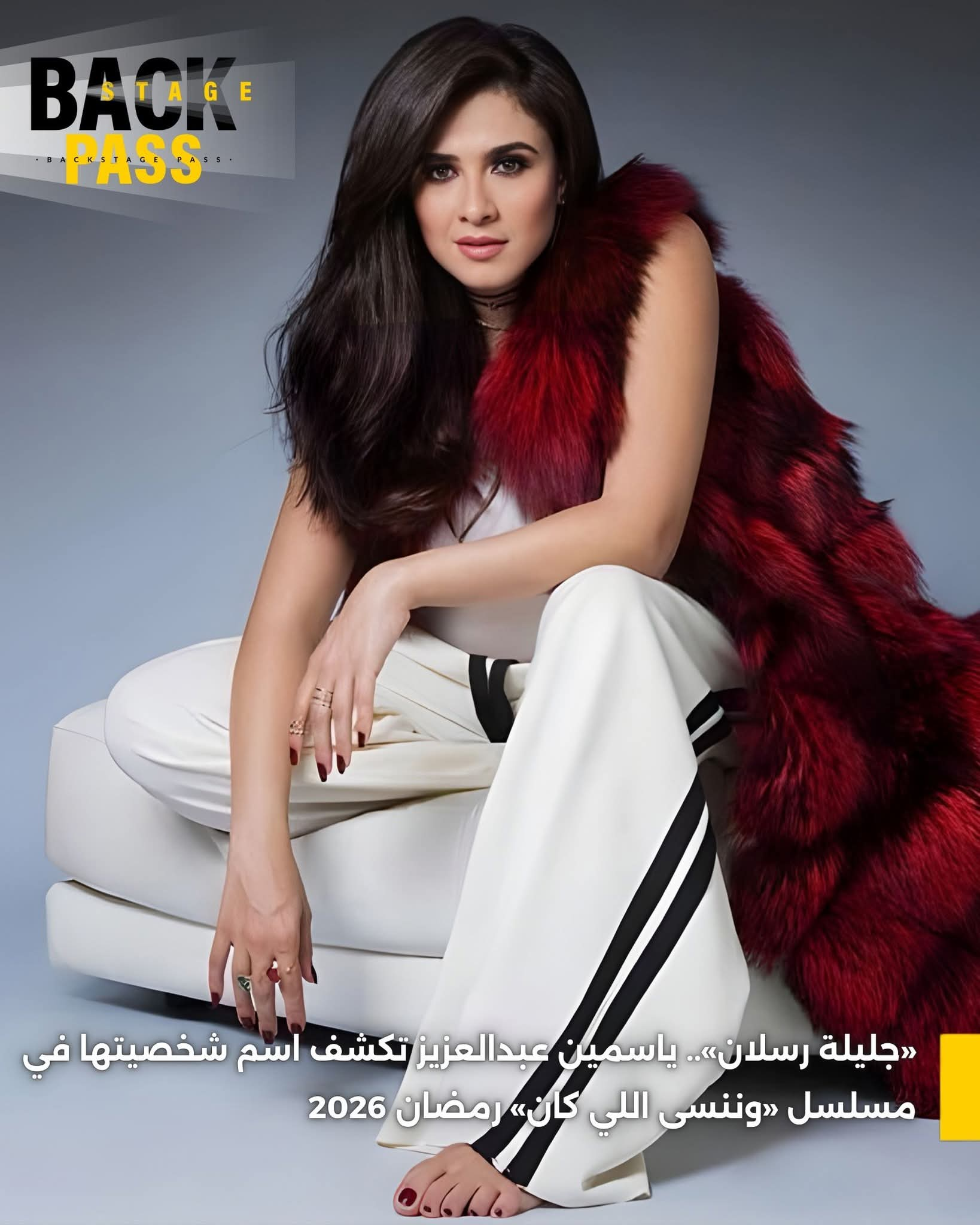
At the forefront of the season is Yasmine Abdel Aziz, who returns to the Ramadan spotlight through a new collaboration with screenwriter Amr Mahmoud Yassin—a partnership that has previously delivered major successes. The “We Nensa Elly Kan” series was directed by Mohamed El-Khobairy and set to air on MBC Masr. Abdel Aziz enters the race with a rare blend of mass appeal and emotional range that continues to resonate across broad audience segments.
Equally notable is the return of Hend Sabry, marking her comeback to Ramadan drama after a four-year absence since “Hagma Mortadda” in 2021. Her upcoming series, Manna’a, produced by United Studios, remains tightly guarded in terms of plot details, but expectations are high. Sabry remains one of the few actresses capable of balancing artistic credibility with mainstream popularity, making her return one of the season’s defining moments.
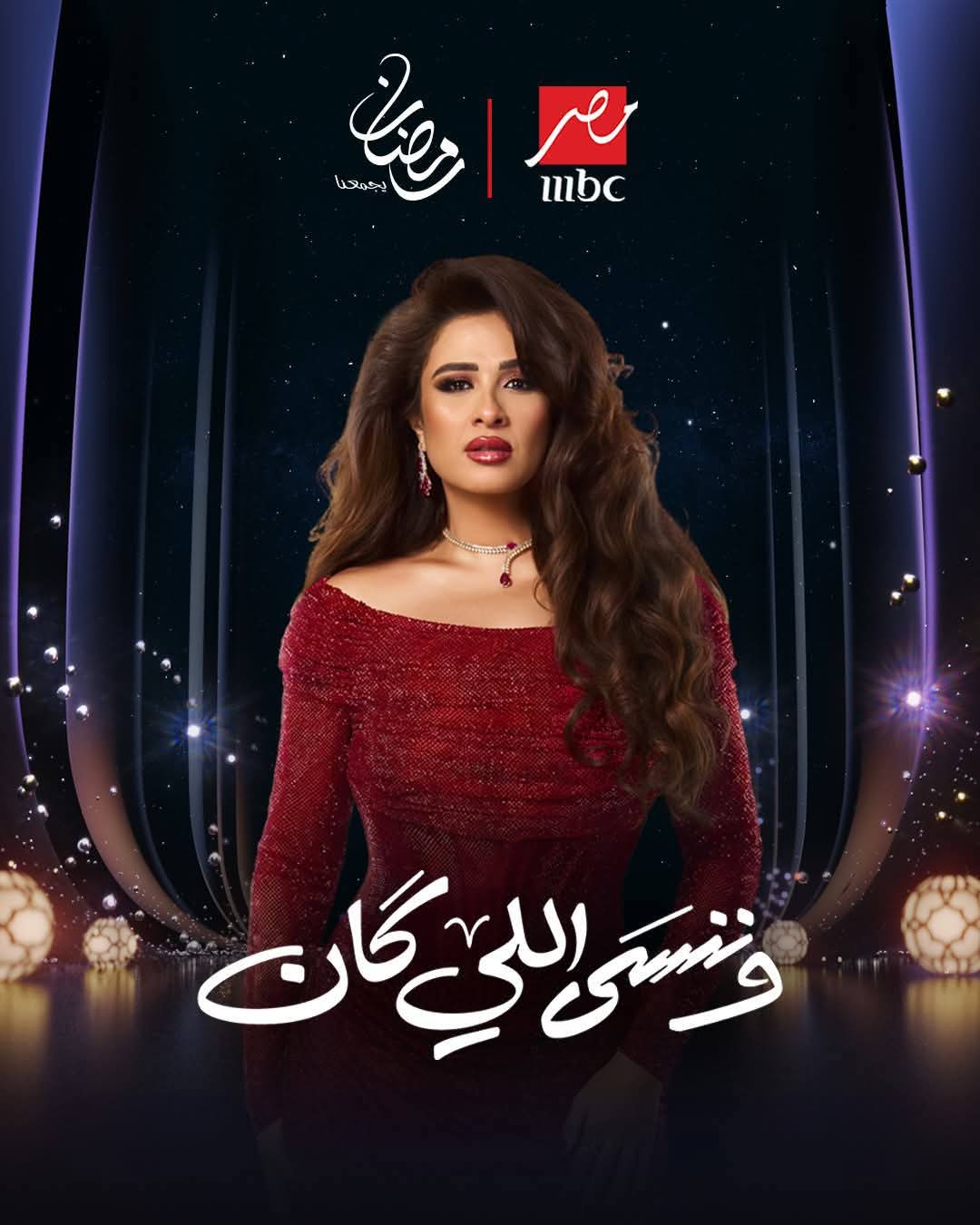
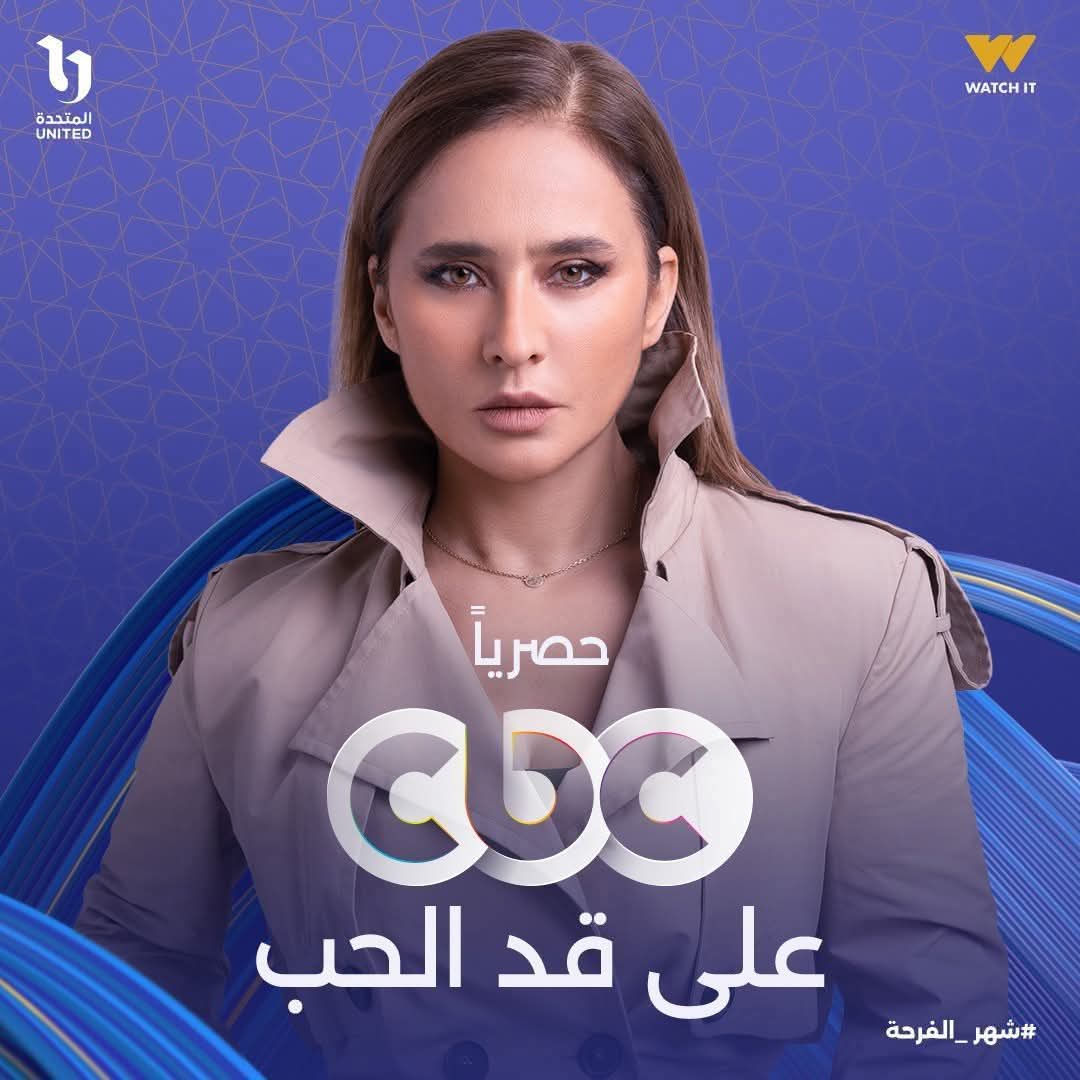
Nelly Karim also secures a prominent position with “Ala Add El Hob,” a deeply human drama centred on a woman navigating life’s hardships following her mother’s death. Starring Sherif Salama alongside Maha Nassar, Ahmed Magdy, Safaa El-Toukhy, Mimi Gamal, and Mohamed Abu Dawoud, the series is written by Mostafa Gamal Hashem and directed by Khaled Saeed. Known for her ability to inhabit complex, emotionally layered characters, Karim continues her commitment to intimate, socially resonant storytelling.
Menna Shalaby takes on one of her boldest projects to date with “Sohab Al Ard,” a love story unfolding against the backdrop of war. Co-starring Eyad Nassar and featuring a distinguished Arab and international cast—including Adam Bakri and Palestinian actor Kamel El Basha—the series blends romance with political tension. It stands out as one of the season’s most daring narratives, exploring human connection under extreme circumstances.
In the realm of psychologically driven drama, Reham Abdel Ghafour headlines “Hekayet Narges,” portraying a character shaped by deep emotional and psychological conflict. The series also stars Hamza El-Eily, Tamer Nabil, Samah Anwar, Donia Maher, Basant Abou Basha, and Ahmed Azmy, and is written by Ammar Saber and directed by Sameh Alaa. The project aligns closely with Abdel Ghafour’s recent artistic trajectory, which favours nuanced performances and character-driven narratives.
Mai Ezz El-Din returns to the Ramadan race with a new series directed by Morcos Adel, currently in preparation as the remaining cast is finalised. Her comeback follows a period of absence that fuelled audience curiosity, positioning the project as an opportunity to reintroduce her within a more mature dramatic framework that reflects recent shifts in the industry.
Rogina joins the competition with “Had Aqsa,” portraying “Sabah,” a woman marked by sharp internal contradictions and emotional turbulence. Co-starring Mohamed Al-Qass, the series also marks the directorial debut of Maya Ashraf Zaki, adding further intrigue to the project.
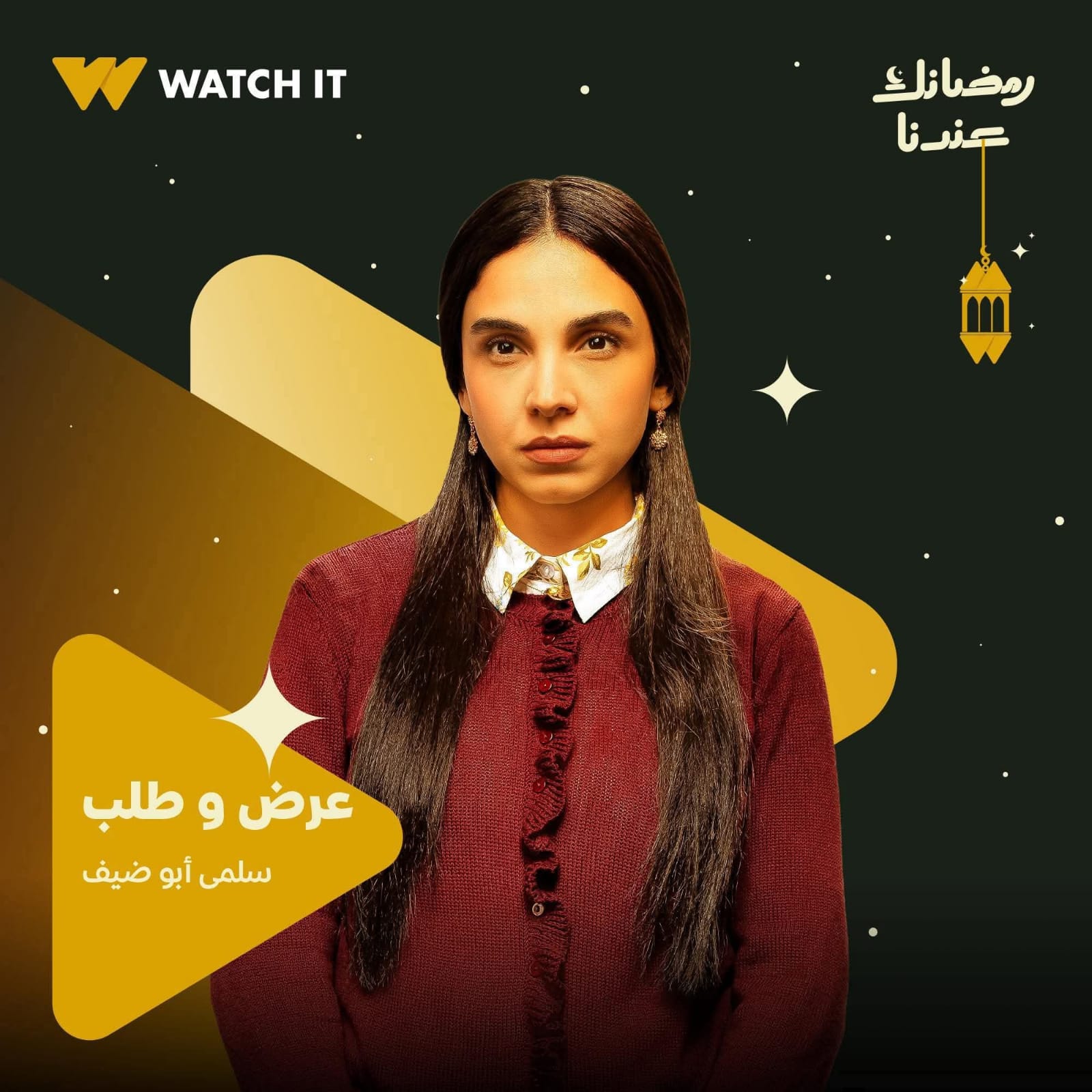
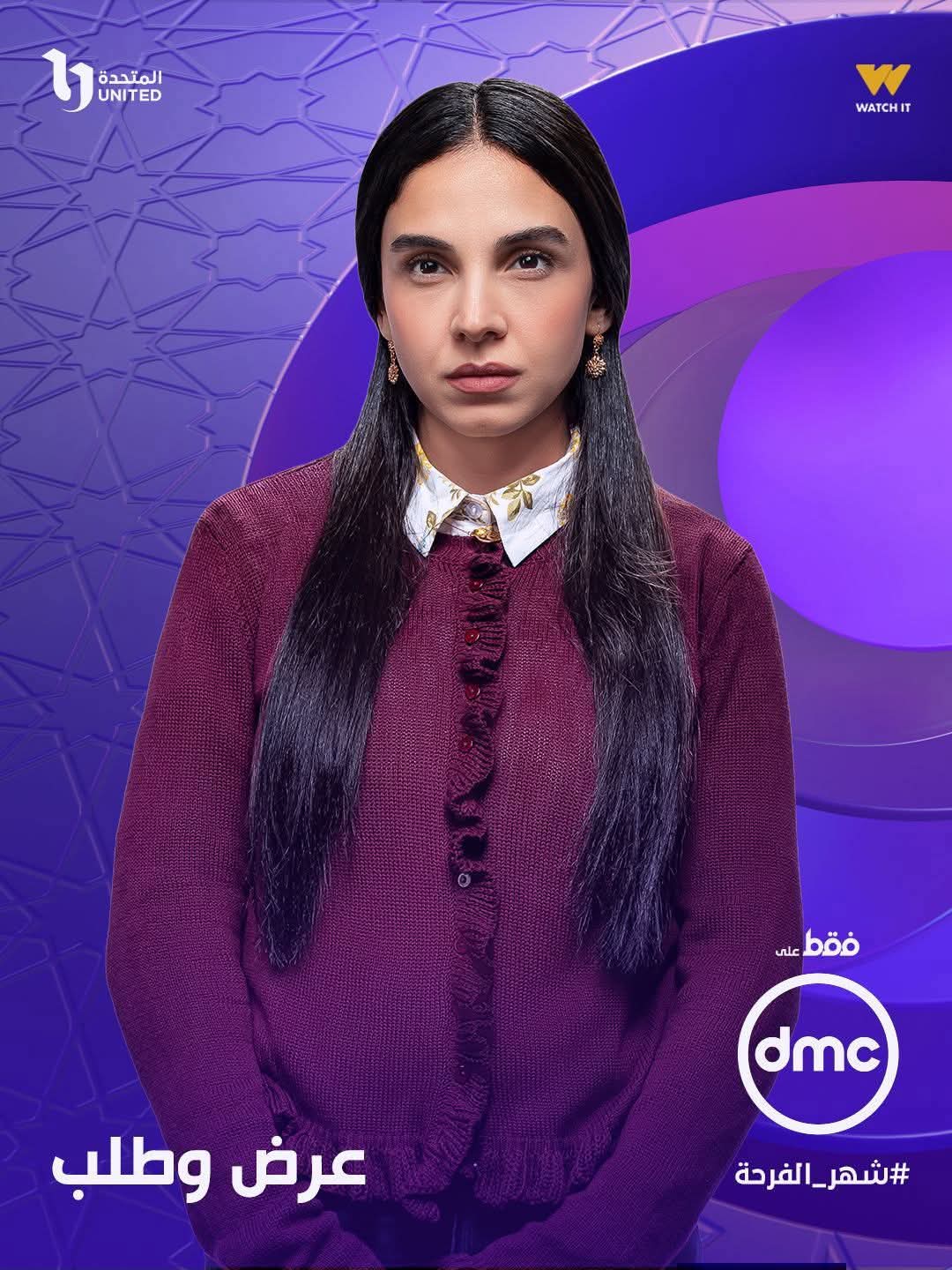
Salma Abu Deif secures her place with “Aard W Talab,” in which she plays a schoolteacher on a deeply personal quest to find a kidney donor for her ailing mother. Written by Mahmoud Ezzat and directed by Amr Moussa, the series also stars Samah Anwar, Mostafa Abu Sriea, and Ali Sobhy. Abu Deif continues to build her reputation through socially grounded roles rooted in everyday realities.
Mai Kassab returns with “Noon El Neswa,” a project postponed from Ramadan 2025 to the upcoming season. While the title remains provisional, the series is expected to address women’s issues through a contemporary dramatic lens, reflecting the broader industry shift toward female-centred narratives.
Jumana Murad enters the season with “Al Lawn Al Azraq,” written by Mariam Naoum and directed by Saad Hendawy, and produced by Albatross Productions. Still in the casting phase, the project is already attracting attention due to Naoum’s signature exploration of complex social and psychological themes, combined with Murad’s distinctive screen presence.
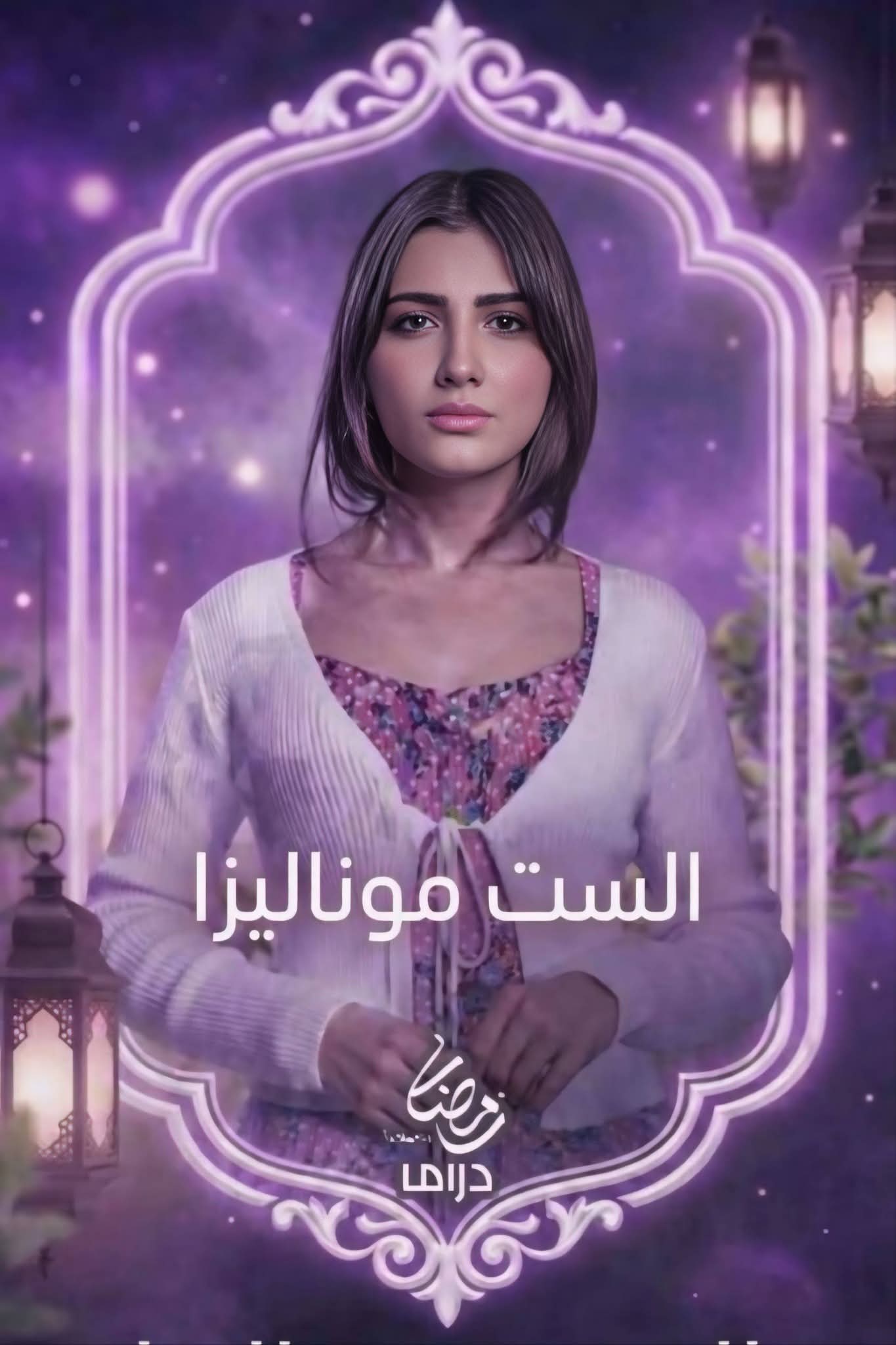
Mai Omar has also announced a new Ramadan project, El Set Monaliza, written by Mohamed Sayed Bisheer and directed by Mohamed Ali. The series follows a divorced woman confronting profound changes after a failed marriage, rebuilding her life, and discovering new love while navigating a challenging social environment.
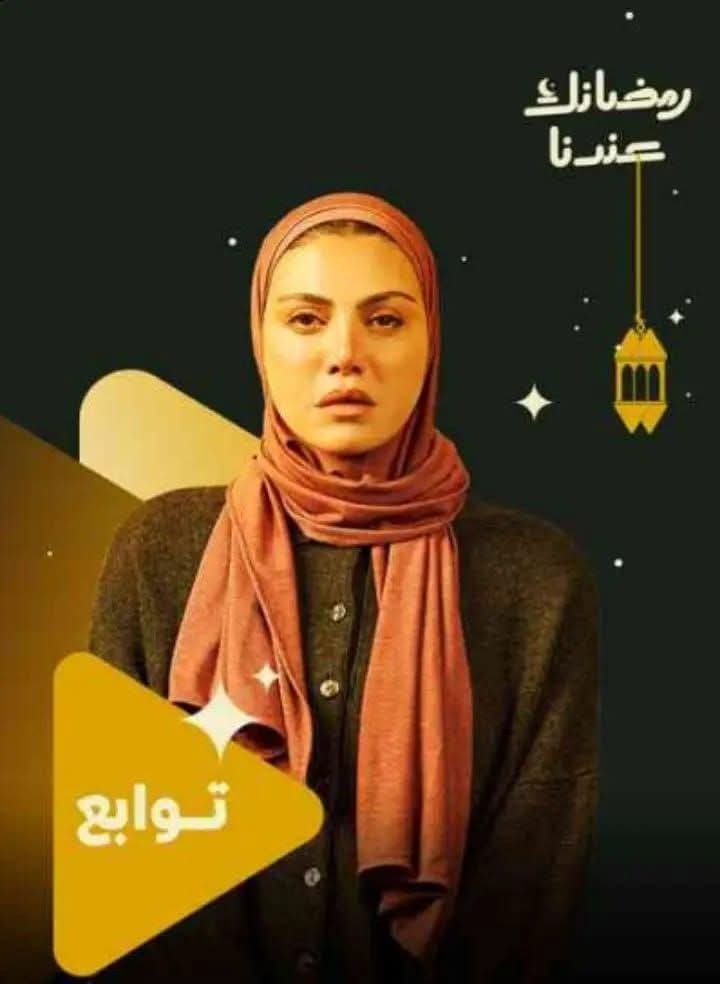
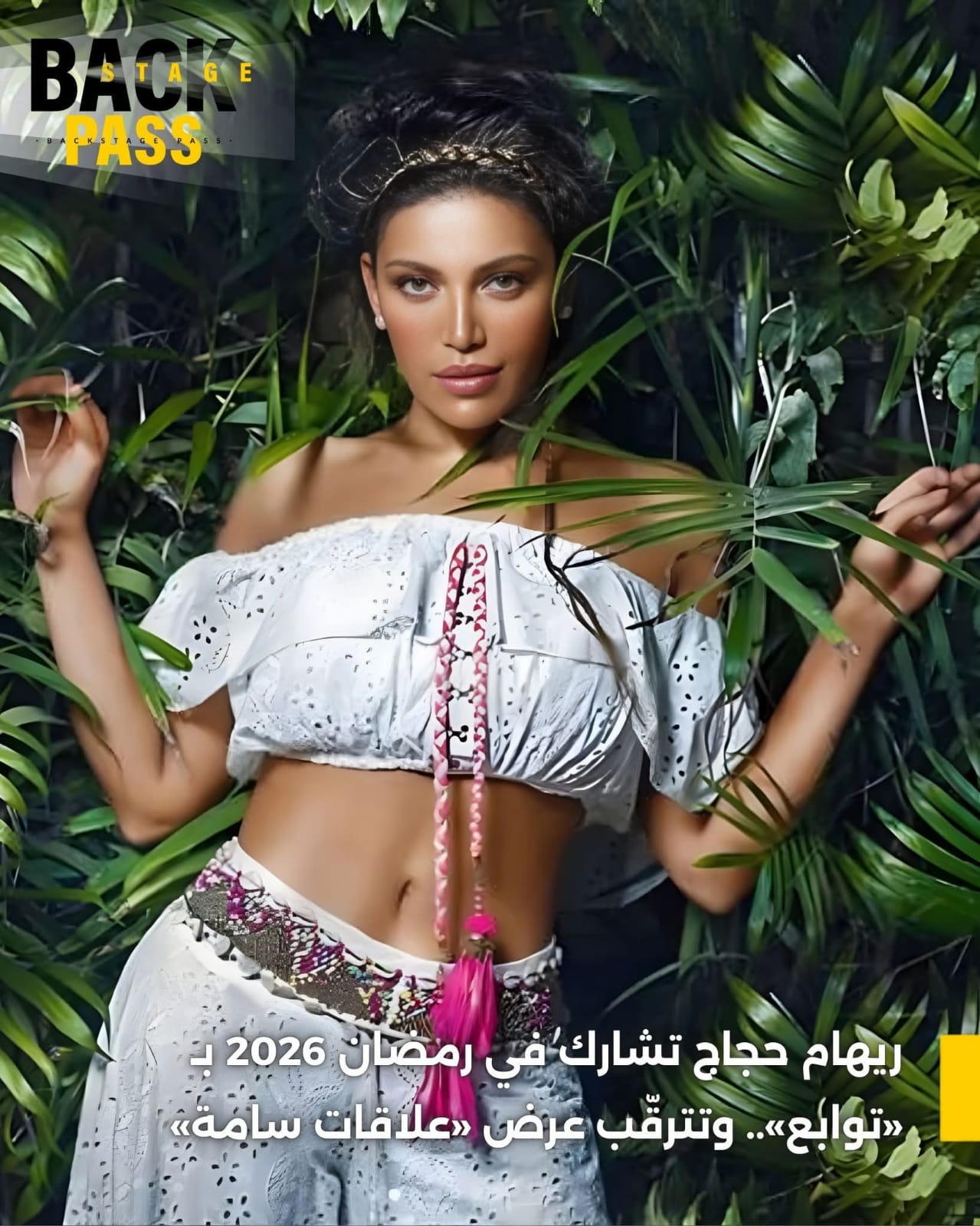
Meanwhile, Reham Haggag continues to build on recent success with “Tawabea,” a new collaboration with writer Mohamed Nayer and director Yehia Ismail, following the strong reception of “Athena” during Ramadan 2025. The move reflects a strategic emphasis on creative continuity.
Taken together, Ramadan 2026 is shaping up to be a distinctly female-driven season. Leading actresses dominate the landscape, presenting a broad spectrum of narratives—from intimate social dramas to politically charged stories and emotionally driven romances. As the first nights of the holy month approach, the question remains: who will ultimately command the spotlight, and who will emerge as the season’s surprise? As ever, the answer will unfold on screen.
About the Author