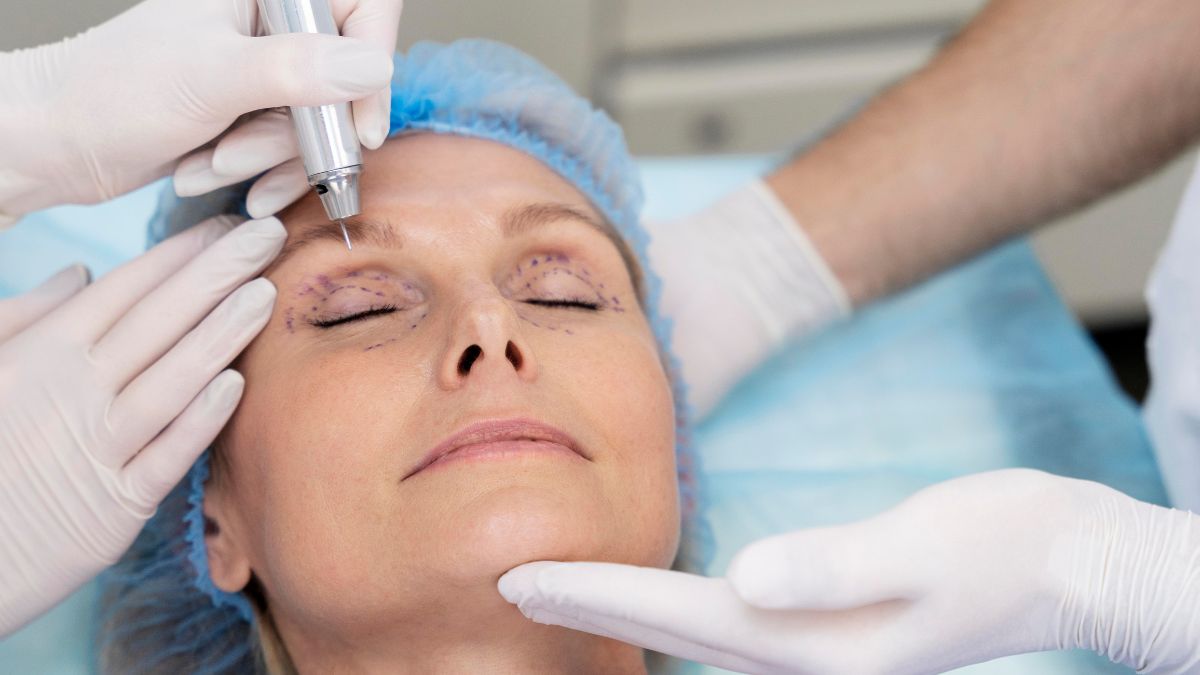
Eyelid surgery has become popular among individuals that would like to make themselves look better or fix their functional problems. However, when sensitive eyelid and oculoplastic surgery are concerned, the appropriate expert is the cosmetic one, yet, above all, it is a question of safety, experience, and something natural that results in you looking like yourself.
Introduction to Eyelid Surgery
Blepharoplasty or eyelid surgery is a sophisticated practice meant to restore or fix the region around the eyes. The first step in locating the appropriate professional is to know the objectives of the surgery.
Cosmetic and Reconstructive Distinctions
Eyelid surgery has two major types. A Cosmetic Eyelid Surgery is specifically done to correct the aging appearance, which includes droopy lids, puffy lids due to the enlarged fat, or the excess skin, which makes the eyes to look tired. It is aimed at developing a fresher, younger, and, of course, perfectly harmonious appearance. Conversely, Reconstructive Eyelid Surgery is performed to correct a functional problem, particularly uncontrolled vision (due to ptosis) caused by the drooping upper lids or reconstruction after trauma, disease, tumor removal, etc. In order to find the mastery of a top oculoplastic surgeon Chicago, it is very important to know these functional and aesthetic differences in an effort to align your objectives with a specific skill base in a surgeon.
Choosing the Right Surgeon
The one most important thing in the whole procedure is to choose a surgeon possessing the right specialized training, which determines his or her knowledge in the anatomy surrounding the eye which is very delicate.
Board certification by the American Board of Ophthalmology or any other ABMS-approved board is the most significant aspect that will be considered when choosing an oculoplastic surgeon. Moreover, joining the American Society of Ophthalmic Plastic and Reconstructive Surgery (ASOPRS) is among the most valued signs of advanced fellowship training, in particular, eyelid, orbit, and facial surgery training.
The distinction in specialization is essential to know. Oculoplastic Surgeons are ophthalmologists who have gone through an extra, rigorous form of training, which is the fellowship training in which they are taught, with so much intensity, the delicate structures around the eyes including the eyelids, tear ducts, and orbit. Their professionalism lies in the very basis of retaining the vision and aesthetic result. General Plastic Surgeons can offer a great variety of body and facial surgeries but not necessarily specific training focused on the anatomy and anatomical surgery of the eyelid operations as compared to an ASOPRS-trained surgeon.
In order to Verify Surgeon Qualifications, you should demand the physical documentations of their board certification and the membership of ASOPRS. Interview them closely, inquire about their case volume, i.e. how many eyelid procedures they do each year and how many years they have spent working in this niche. Always look through a large amount of before and after photos of other similar cases to determine the consistency and natural appearance of their results.
Key Questions for Your Consultation
When you meet with a surgeon, you need to be ready with certain and specific questions to evaluate his qualification and way of communication:
- Do you have board certification by the American Board of Ophthalmology and ASOPRS training?
- What is the number of eyelid procedures that you do in a year, and which methods you prefer?
- What are the potential risks of my particular procedure and how does one cope with complications in case of their occurrence?
- Are there eyelid surgery before and after photos of other similar patients with the initial conditions and desired results?
Understanding the Procedure
Being aware of the technical process, preparation, and recovery plan will assist in creating feasible expectations and making the process run smoothly.
Surgical Techniques, Preparation, and Recovery
Surgery involving the eyelids may be done on both upper and lower or on either body part. Cuts are made at strategic points within the natural creases of the skin (crease in the upper lid) or in the inner side of the lower lid (transconjunctival approach) to ensure that the scarring is not visible. The most frequent methods include fat pockets (to make one puffy) removal or repositioning (to make the muscles tighter to support structure), and surplus skin removal. In certain functional issues, especially an extreme drooping of the upper lids that impairs vision, it might be advised to perform an upper eyelid ptosis repair (tightening the muscle that raises the lid), which should not be confused with a simple cosmetic skin excision.
Preparing for Surgery and Recovery Timeline
Safety and optimal healing are highly dependent on proper preparation. You should stop taking all medications that thin the blood and some of the supplements (such as fish oil or Vitamin E) as prescribed by your surgeon usually two weeks before. One is required to arrange somebody to drive them home right after the procedure and to help them during the initial 24 hours. Adhere to all instructions about the fasting and preoperative hygiene.
The recovery timeline includes the stages that can be predicted. The peak of swelling and bruising normally occurs in the first 48 to 72 hours and then it subsides. Majority of the patients are at ease with resuming civilian duties that do not entail any physical effort, such as work at home or performing light errands within 10-14 days. Nevertheless, ultimate, perfect outcomes may not be noticed until residual swelling completely disappears which may require 3 to 6 months.
Patient Outcomes and Safety
The results that a surgeon is able to provide are best shown by the portfolio and the dedication the surgeon has to safety.
By looking at patient photos of eyelid surgery in chicago you will learn to have realistic expectations of your own beautiful evolution as well as clearly illustrates the capability of the surgeon to provide a natural restful look that will work in harmony with the entire face rather than merely on its own, as with the eyes.
Although eyelid surgery is safe, should it be done by an expert, there are some risks, such as the temporary or permanent lack of moisture in the eyes, slight warping between the eyelids, or the occurrence of scarring. The oculoplastic surgeons have also undergone extensive experience in applying the superior and rigorous surgical methods and adopting close post-operative follow up timetable to reduce the risk and making it easier to handle the complications in case they occur.
Patient Testimonials and Satisfaction provide priceless information about the whole experience of the surgeon. Contented patients are known to make reference not only to the natural aesthetic outcomes and regained confidence, but also such practical enhancements as to peripheral vision. Surveying third-party reviews and official testimonials can help you to understand a lot about your surgeon and his bedside manner, their commitment to follow-up, and their long-term outcomes.
Long-Term Care, Maintenance, and Psychological Impact
An effective operation is followed by long term care and in most cases lead to major psychological gains on the patient.
Follow-Up Care and Monitoring is the key to success. A post operation follows up visit would enable your surgeon to check up on your progress, take out your sutures and address all issues right away. The results are maintained in the long term with rigorous skin care, regular sun protection and in some instances occasional touch-ups which were performed years after surgery.
Managing Complications and Revision Surgery is also a matter of concern. Despite the best of care, the body is different and unique in terms of its healing process and thus some patients might still need minuscule revision process to get it perfect. Reporting any concerns immediately, e.g. persistent asymmetry or swelling, will allow intervention to be done easily and immediately.
It has always been shown that the Psychological Impact of an effective eyelid surgery are enormous, as there are significant improvements in the self-esteem, the sense of vitality, and improved the quality of life. Patient-centered philosophy practices make sure that they assist their patients prior to, during, and after surgery to help them to restore their physical health and to improve their psychological well-being as they recognize the strong relation between the appearance and the inner self.
Conclusion
The most important decision you make is to choose an expert oculoplastic surgeon who will perform your eyelid procedures; this is because you will ensure that you are guaranteed of safe, natural and long-lasting outcome. Elite specialist hallmark encompasses board certification, verifiable ASOPRS, and a good, proven history of patient satisfaction in terms of consistent and natural outcomes. Regardless of whether you are driven by the desire to look as young as you feel or the need to repair a damaged sight, proper preparation and the collaboration with a skilled, knowledgeable professional is beyond any doubt necessary to get the safest and most favorable result, which will give you a renewed confidence and facial harmony. This spending on expert knowledge safeguards your vision and secures the fragile balance and aesthetic coherence of that most expressive aspect of yourself.
Image by freepik from freepik
The editorial staff of Medical News Bulletin had no role in the preparation of this post. The views and opinions expressed in this post are those of the advertiser and do not reflect those of Medical News Bulletin. Medical News Bulletin does not accept liability for any loss or damages caused by the use of any products or services, nor do we endorse any products, services, or links in our Sponsored Articles.
About the Author