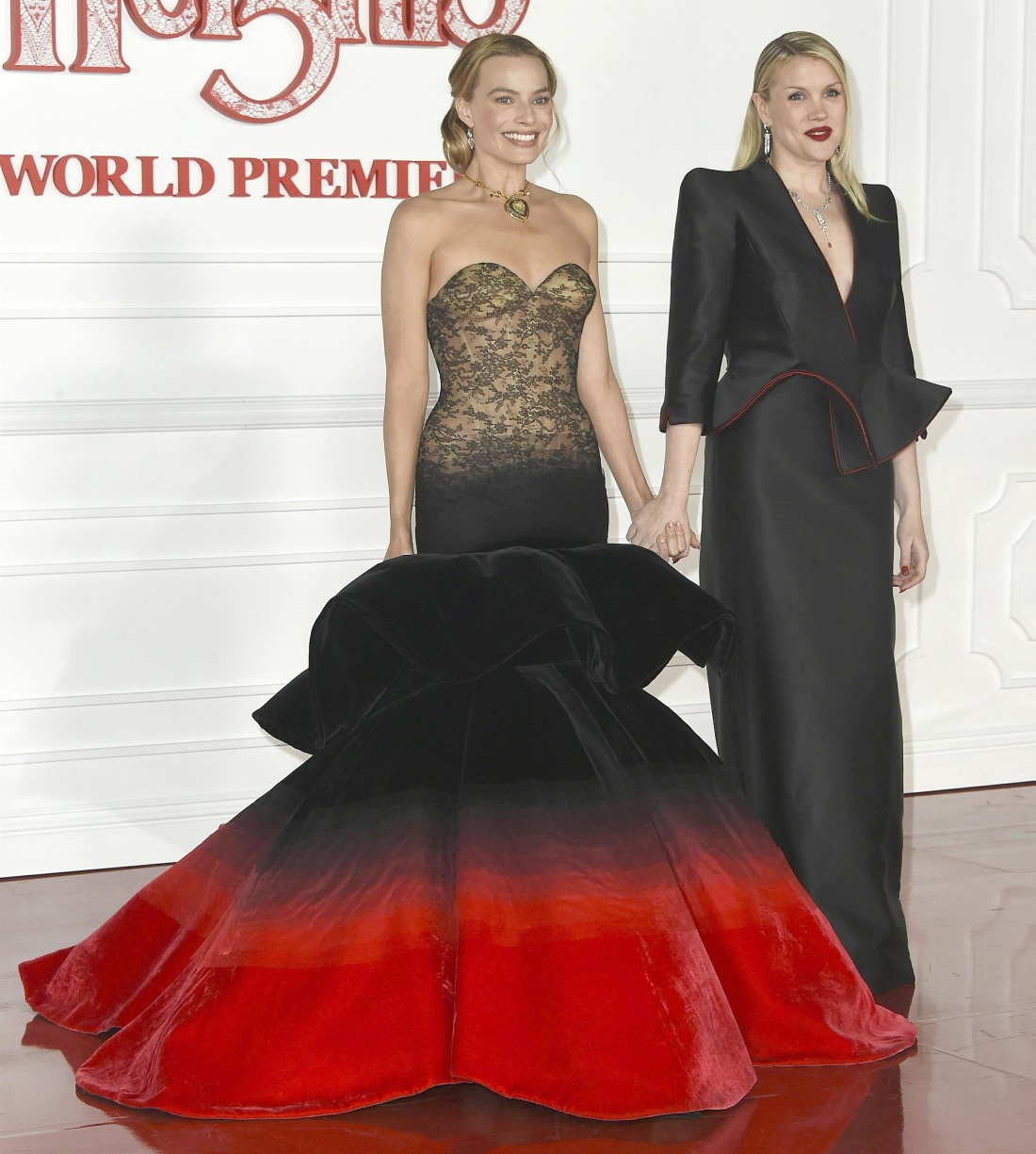
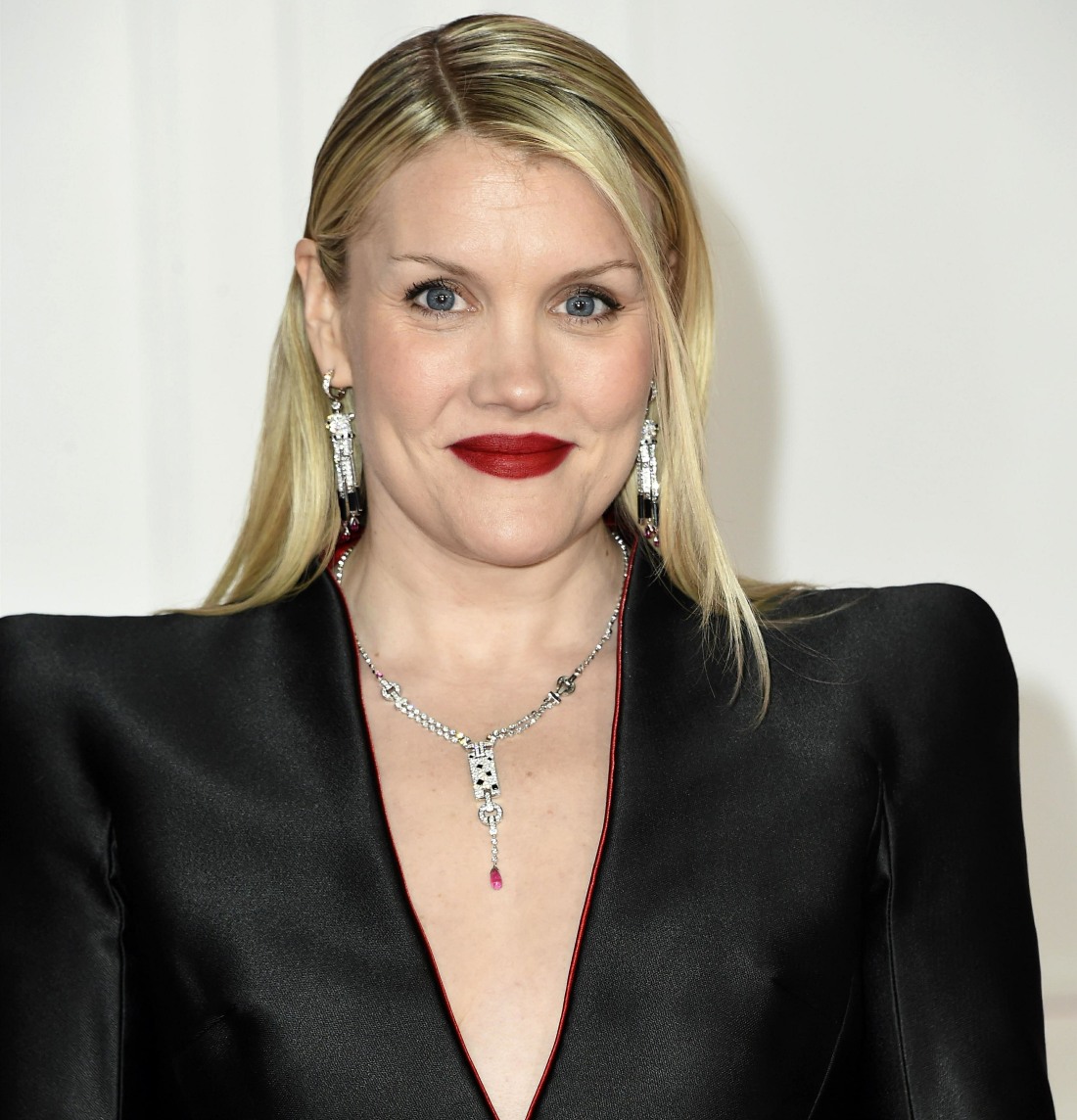
Emerald Fennell’s adaptation of Wuthering Heights has been controversial from the word go. It began with the casting choices for Cathy and Heathcliff: Margot Robbie is simply wrong for Cathy, and critics argued that casting Jacob Elordi as Heathcliff was and is “whitewashing.” There were early screenings for the film last year and reportedly they did not go well. The early “reviews” of WH online this week are mostly positive, but I don’t know if A) those reviews are bought and B) Fennell possibly re-edited the film to make it more of a bodice-ripper. Well, at the LA premiere this week, Fennell spoke to the Hollywood Reporter about casting controversies and adaptation controversies.
Emerald Fennell‘s highly anticipated adaptation of Wuthering Heights made its debut in Hollywood on Wednesday — and don’t be expecting an exact retelling of Emily Brontë’s classic novel. The 1847 book follows the intense love affair between Heathcliff (played by Jacob Elordi) and Catherine Earnshaw (Margot Robbie) in 18th-century England; Fennell’s version, which is being stylized with quotation marks as “Wuthering Heights,“ features some key casting changes, addition of numerous sex scenes and a soundtrack courtesy of Charli xcx.
“The thing is that it’s my favorite book in the world,” the filmmaker told The Hollywood Reporter on the red carpet. “Like many people who love this book, I’m kind of fanatical about it, so I knew right from the get-go I couldn’t ever hope to make anything that could even encompass the greatness of this book. All I could do was make a movie that made me feel the way the book made me feel, and therefore it just felt right to say it’s Wuthering Heights, and it isn’t.”
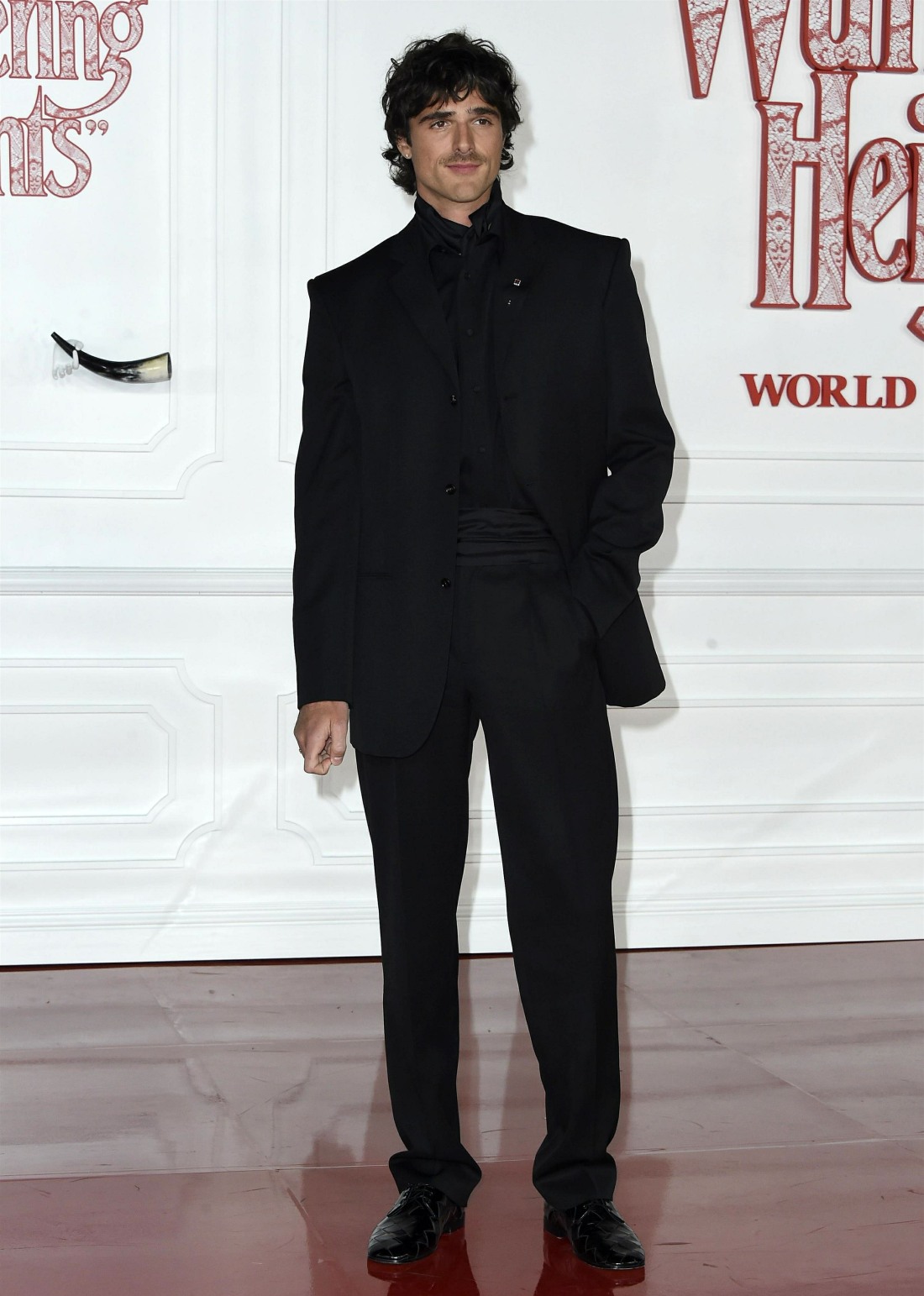
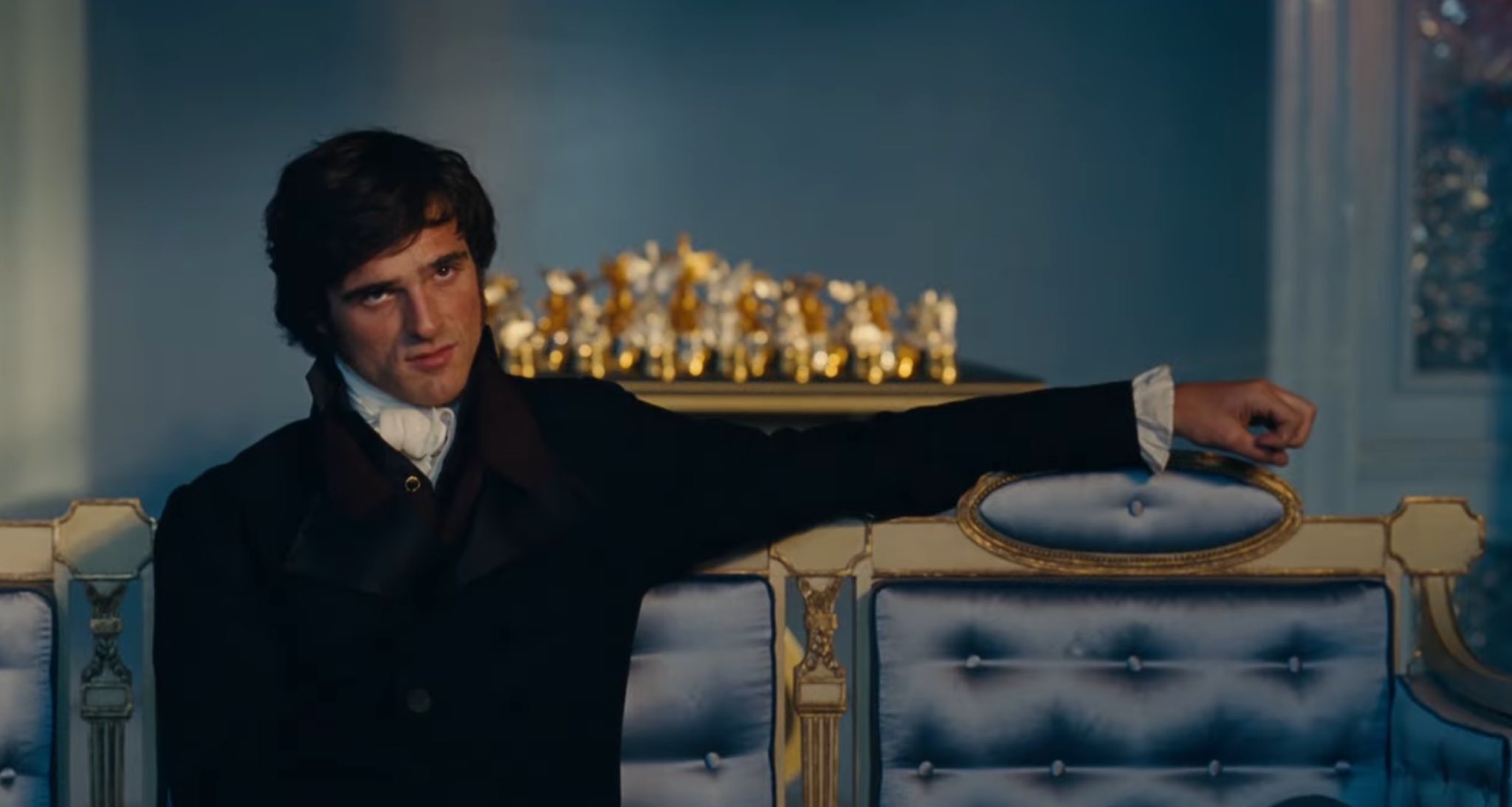
One of the most talked-about changes comes with Elordi’s casting as Heathcliff, who is described as dark-skinned in the book. Of the decision to cast a white actor in the role, Fennell explained, “I think the thing is everyone who loves this book has such a personal connection to it, and so you can only ever make the movie that you sort of imagined yourself when you read it. I don’t know, I think I was focusing on the pseudo-masochistic elements of it.”
“The great thing about this movie is that it could be made every year and it would still be so moving and so interesting,” she continued. “There are so many different takes. I think every year we should have a new one.”
Elordi said himself of the changes to the iconic story, “There are inverted commas for a reason. This is Emerald’s vision and these are the images that came to her head at 14 years old; somebody else’s interpretation of a great piece of art is what I’m interested in — new images, fresh images, original thoughts.”
From what Fennell, Robbie and Elordi have said about this adaptation, I’m getting a sense of not only the film, but what those three really think about it. It feels like Elordi was actually trying to balance a faithfulness to the character in the book AND in the script (which has little to do with the book). Margot, on the other hand, just went all-in on Emerald’s vision and didn’t care about the source material. And Emerald just wanted to make her fan-fic version of WH, where Cathy and Heathcliff bone a lot and then (spoiler?) Cathy dies. As for what Emerald says about the whitewashing controversy… it’s very British. Like, I can tell that a posh British woman is making that argument.
Photos courtesy of Backgrid, Wuthering Heights screencap & poster courtesy of Warner Bros.
About the Author