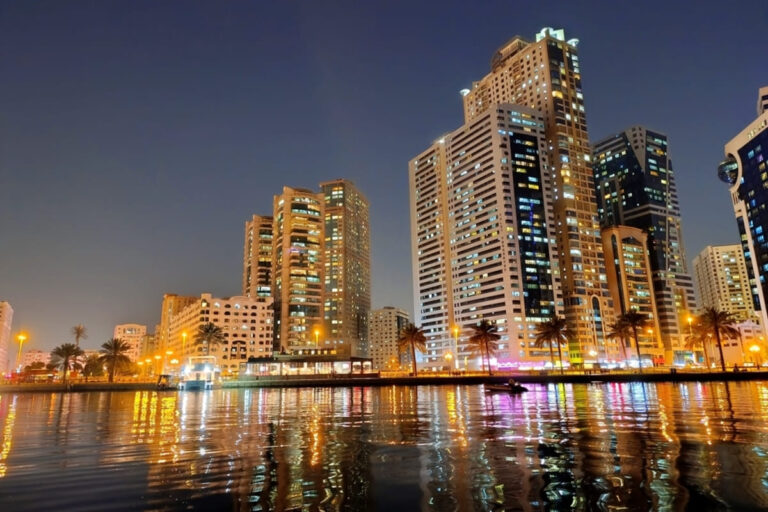
Dubai’s property market has delivered record-breaking returns in recent years, yet, as with every maturing cycle, signs of cooling are beginning to appear.
According to the 2025 UBS Global Real Estate Bubble Index, Dubai has registered one of the sharpest rises in “bubble-risk” among major cities in the world, fuelled by rapid price acceleration, speculative flipping, and supply still racing to keep pace with investor demand.
For UAE investors, that context is prompting a healthy re-evaluation of portfolio balance. With local valuations at elevated levels and overseas borrowing conditions improving, many are turning to the UK property market as a complementary investment avenue. Britain’s regional cities, from Birmingham to Leeds, are entering a new growth phase supported by falling interest rates, record rental demand, and large-scale regeneration. This shift is not about moving away from Dubai, but about diversifying intelligently, balancing exposure to a high-performing Gulf market with the stability and long-term income of the UK’s housing sector.
A New Growth Cycle is Taking Shape
After two years of correction, the JLL Big Six Residential Development Report (Summer 2025) points to a clear recovery. UK prices are forecast to rise by 3.5 per cent this year, with a cumulative growth of almost 20 per cent by 2029. Birmingham leads the charge, expected to grow by 24 per cent, the strongest growth of any UK city, while rents are climbing 17 per cent nationwide and nearly 19 per cent in Birmingham.
With rate cuts filtering through and mortgage costs easing, confidence is coming back into the market. We’ve already seen that shift first-hand; sales jumped 200 per cent between Q1 and Q3 2025 as UAE investors moved early to secure finance before the rebound gains full pace. It’s a clear signal from UAE investors: the smart money is positioning now, not waiting until the headlines catch up.

Birmingham Tops UAE Buyer Demand
While London will always attract international attention, Birmingham has quietly become the city that UAE investors are increasingly drawn to. The appeal is straightforward: value, growth, and scale. It’s one of the few UK markets where affordability aligns with momentum and where regeneration isn’t just promised, but is visibly transforming the skyline.
The city’s transformation is remarkable. The £1.9 billion Smithfield masterplan, a new 60,000-seat sports quarter, and a £1.3 billion metro expansion linking East Birmingham, Solihull and Digbeth by 2030 are reshaping the city’s core. According to JLL, Birmingham recorded the highest price and rental growth of any UK city in 2025, with prices up 5.6 per cent and rents 6 per cent, supported by more than 14,000 homes in the build-to-rent pipeline, the largest regional pipeline outside of London.
Then there’s HS2, the infrastructure project set to redefine connectivity between London and the rest of the UK. When complete, it will link Birmingham Curzon Street to London Old Oak Common in just 49 minutes, effectively pulling the Midlands into London’s commuter belt. The line is forecast to launch between 2029 and 2033, and its wider impact is also transformative: an estimated £10 billion in economic uplift, over 30,800 new jobs, and 41,000 new homes across the West Midlands.
Birmingham’s population is set to top 1.1 million by 2026, supported by world-class universities, a strong professional services base, and fast-growing sectors in healthcare and advanced manufacturing. It’s why repeat investors, now 28 per cent of Joseph Mews’ client base, keep coming back. They’re not chasing quick flips; they’re backing fundamentals.
Birmingham, in many ways, captures the new mindset of Gulf capital: pragmatic, data-driven, and focused on sustainable returns rather than speculative hype.
The Rise of Regional ROI
For decades, London was the default entry point for Gulf capital. But years of modest growth and rising costs have created an element of buyer fatigue. The capital still offers liquidity and prestige for investors, but average yields often struggle to exceed 4 per cent. By contrast, regional cities such as Derby, Leeds, Wakefield, and the West Yorkshire corridor are producing yields closer to 6–7 per cent. Lower entry prices also mean stronger rent-to-value ratios and more balanced cashflow profiles, all attributes that are increasingly prioritised by professional UAE investors over speculative appreciation.
Rental demand keeps the market moving
Even as prices paused, UK rents rose 3–5 per cent in 2025 and are projected to maintain that trajectory through 2026. Chronic undersupply, combined with growing student populations and regional job creation, continues to tighten the market. For overseas investors, off-plan developments offer a strategic play: locking today’s prices ahead of completion in 2026–27 while capturing future rental upside. Most new-build stock now exceeds energy-efficiency targets, reducing operating costs and aligning with Britain’s evolving EPC and sustainability regulations, factors that will increasingly shape resale values and mortgage eligibility.
Currency swings add another layer of strategy
The dirham’s peg to the US dollar means UAE buyers effectively trade the GBP/USD rate when purchasing UK assets. In 2025, the exchange fluctuated between 4.45 and 5.05 AED per pound, a difference of nearly AED 180,000 on a £300,000 property.
For investors staging payments or buying off-plan, this volatility can become an opportunity. By structuring purchases across tranches, they can take advantage of favourable currency windows while reducing exposure to short-term fluctuations.
The Bigger Picture for 2026
What will distinguish 2026 from previous years is not exuberance but selectivity. The UK market is entering a mid-cycle phase of steady growth, falling rates, and elevated rental yields. For UAE investors, it represents a chance to deploy capital into a market governed by data rather than sentiment. Regional regeneration is underpinning that thesis. From Birmingham’s Smithfield and Curzon HS2 investment zone to Derby’s Becketwell Project and Leeds’ Innovation Arc, public-private investment worth tens of billions is reshaping the urban core of northern England. These cities are not the next Dubai; they are the next Manchester, with maturing ecosystems where affordability, employment and infrastructure all come together.
Dubai’s growth story remains compelling, but its rapid ascent has drawn the scrutiny of analysts warning of cyclical overheating. For investors who built wealth during Dubai’s boom years, the prudent move is diversification, not disengagement. Investors should be spreading exposure across markets that operate on different economic levers. The UK’s transparency, legal stability and currency independence make it a natural counterpart. It is neither a quick-flip market nor a high-risk frontier, but a steady-yield environment with proven long-term resilience.
Joseph Mews’ research suggests the next twelve months will reward patience and planning. With rates easing, rents rising, and confidence returning to the regions, 2026 marks the beginning of a measured recovery, one that will likely define the decade ahead.
In a world of shifting cycles, the smartest capital is no longer chasing the hottest market, but the most sustainable one. For UAE investors, that means recognising that the safe bet of 2026 may not be found in Dubai’s towers, but in the bricks and infrastructure of Britain’s second cities.
About the Author