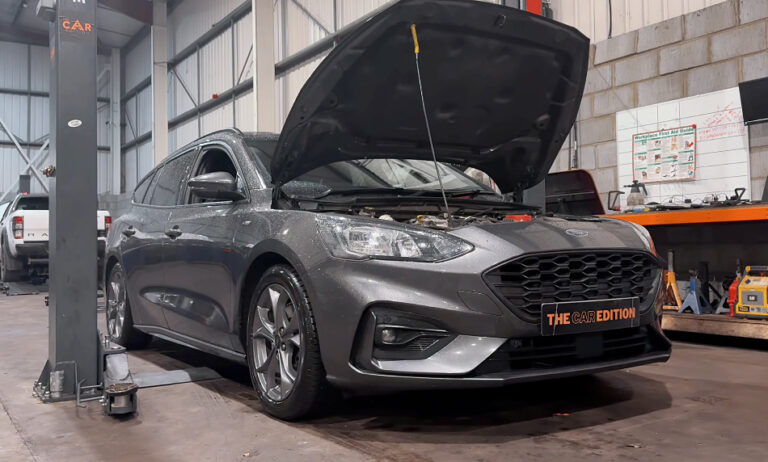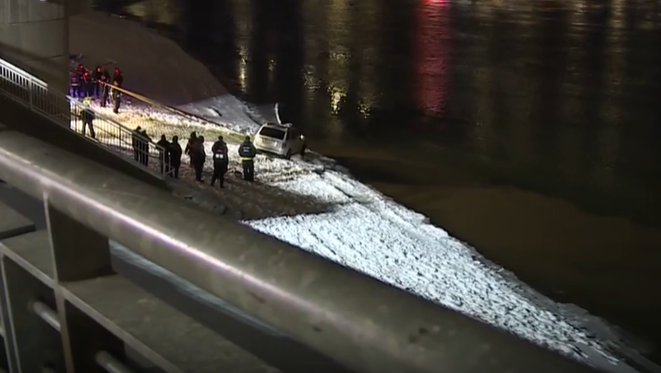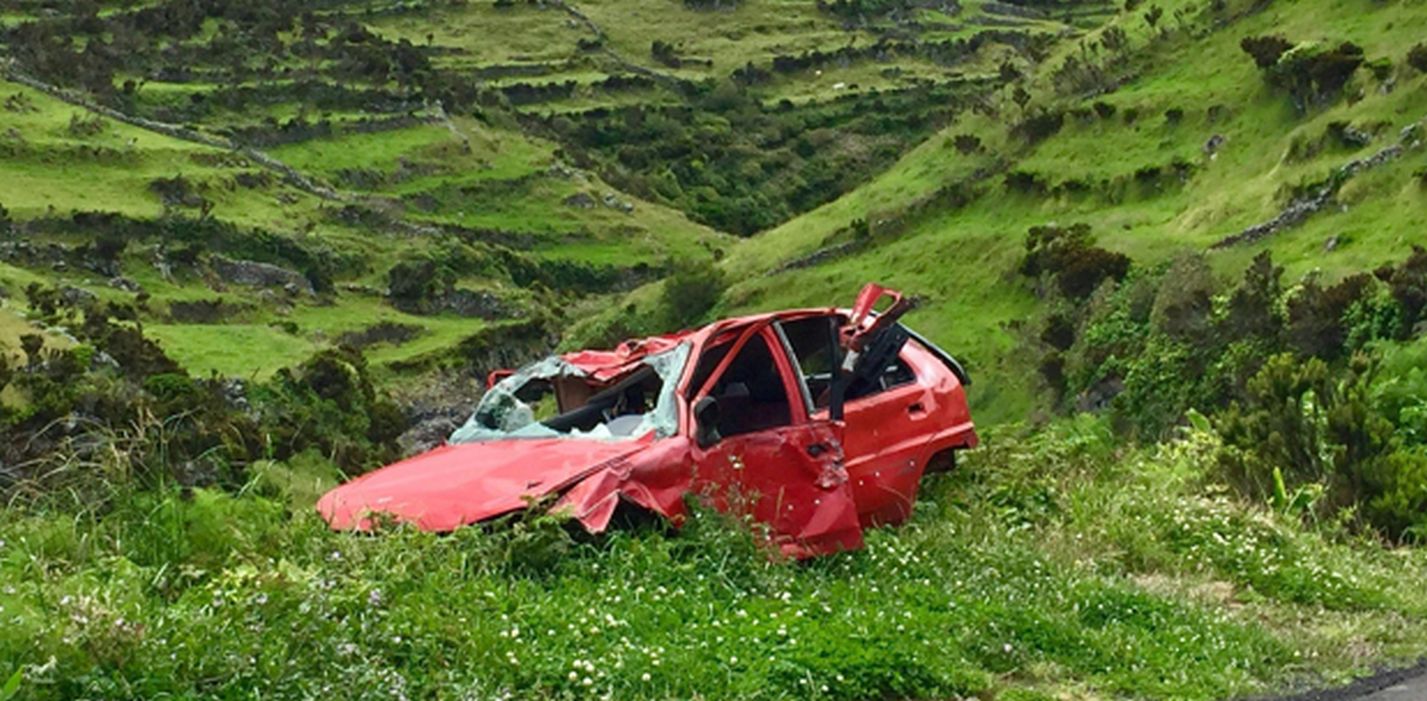
If you drive in Kissimmee, Florida, you’ve likely noticed how rear-end collisions dominate busy intersections, especially during rush hours. Data shows that insufficient following distances and abrupt stops contribute heavily to these crashes.
Meanwhile, side-impact collisions at traffic signals are often tied to distracted driving and traffic violations. Understanding these patterns is essential, but there are other scenarios—like pedestrian accidents near tourist spots and weather-related crashes—that highlight additional risks you should be aware of.
Rear-End Collisions at Busy Intersections
One of the most frequent types of car crashes you’ll encounter in Kissimmee is rear-end collisions at busy intersections. Data shows these crashes often result from sudden stops and insufficient following distance, highlighting the critical role of rear end safety. To minimize your risk, maintaining a safe gap and staying alert to traffic signals is essential. Intersection awareness means anticipating changes in light patterns and the behavior of vehicles ahead, which can greatly reduce reaction time. Studies reveal that over 40% of rear-end collisions in urban areas occur during peak hours, emphasizing the need for heightened vigilance. If you or a loved one are involved in such a crash, consulting an experienced car accident attorney can help ensure your rights are protected and guide you through the claims process.
Side-Impact Crashes at Traffic Signals
Although traffic signals are designed to regulate flow, side-impact crashes at these intersections remain a significant concern in Kissimmee. These collisions often result from traffic signal violations and pose serious risks to intersection safety. You should understand that:
- Failure to yield: Drivers running red lights or ignoring stop signals cause about 40% of side-impact crashes.
- Distracted driving: Inattention at signals increases the chance of T-bone collisions by nearly 25%.
- Poor visibility: Obstructed views or malfunctioning signals contribute to delayed reactions, elevating crash risks.
Single-Vehicle Accidents on Rural Roads
When driving on rural roads in Kissimmee, you should be aware that single-vehicle crashes often result from factors like speeding, sharp curves, and wildlife crossings. Data shows these accidents frequently involve loss of control or run-off-road incidents. To reduce your risk, it’s crucial to adjust your speed, stay alert, and anticipate sudden hazards.
Causes of Single-Vehicle Crashes
Because rural roads in Kissimmee often have limited lighting and sharp curves, single-vehicle crashes frequently occur due to factors like speeding, distracted driving, and impaired judgment. Understanding these causes helps you recognize the risks tied to road conditions and driver error. Key contributors to single-vehicle crashes include:
- Speeding: Exceeding safe speeds reduces your reaction time, especially on poorly lit, winding roads.
- Distracted driving: Activities like texting divert your focus, increasing the likelihood of losing control.
- Impaired judgment: Fatigue or substance use impairs decision-making, exacerbating risk on challenging roadways.
These elements interact with rural road conditions such as uneven surfaces or lack of guardrails, amplifying the danger. Being aware of these causes highlights how critical it is to adapt your driving to the environment and maintain vigilance.
Prevention Tips for Drivers
Since rural roads in Kissimmee present unique hazards like poor lighting and sharp curves, you must adjust your driving habits to prevent single-vehicle accidents. Data shows that many crashes result from loss of control due to excessive speed or distractions. Practicing defensive driving is critical—anticipate potential risks, such as wildlife crossings or sudden stops. Maintain safe following distances to allow ample reaction time, especially on narrow or winding roads where visibility is limited. Avoid distractions and verify your headlights and brakes are functioning properly for enhanced safety during low-light conditions. Regularly scanning the road and adjusting speed to weather and road conditions reduces your crash risk considerably. By implementing these focused prevention strategies, you enhance your safety and contribute to reducing single-vehicle accidents on Kissimmee’s rural routes.
Pedestrian Accidents Near Tourist Attractions
When you’re near Kissimmee’s popular tourist spots, the risk of pedestrian accidents increases markedly due to crowded crosswalks and distracted visitors. Data shows that nighttime visibility issues further elevate these dangers, as both drivers and pedestrians struggle to see each other clearly. Understanding how tourist distractions contribute to these incidents can help you stay alert and reduce your risk.
Busy Crosswalk Risks
Although Kissimmee’s tourist attractions draw thousands daily, the increase in pedestrian traffic near busy crosswalks considerably raises the risk of accidents. Understanding how to improve pedestrian safety and crosswalk awareness is essential to reducing these incidents. When traversing these areas, consider the following:
- Drivers often underestimate pedestrian volume, leading to delayed reactions in crosswalk zones.
- Pedestrians may assume right-of-way without confirming driver attention, increasing vulnerability.
- Distractions on both sides—like mobile devices or crowded sidewalks—impair situational awareness.
Data shows that enhancing crosswalk visibility and educating both drivers and pedestrians about shared responsibility can lower accident rates. By staying alert and respecting crosswalk signals, you actively contribute to safer streets around Kissimmee’s busiest tourist spots.
Nighttime Visibility Issues
Why does nighttime pose such a high risk for pedestrian accidents near Kissimmee’s tourist attractions? Reduced visibility during nighttime driving greatly increases the likelihood of collisions with pedestrians, who may be harder to spot in poorly lit areas. Data shows that pedestrian accidents spike after dark, especially in zones with heavy foot traffic but insufficient lighting. You should understand that visibility enhancements—like brighter streetlights, reflective crosswalk markings, and pedestrian-activated signals—can dramatically lower these risks. Despite improvements, many tourist areas still lack adequate illumination, leaving pedestrians vulnerable. When you drive at night near these attractions, it’s critical to stay alert and anticipate unexpected crossings. Proper visibility enhancements combined with cautious nighttime driving can help reduce pedestrian accidents in Kissimmee’s busy tourist corridors.
Tourist Distraction Factors
Visibility challenges at night aren’t the only factor increasing pedestrian accidents near Kissimmee’s tourist spots. When you’re traversing unfamiliar routes, distracted walking becomes a real risk. Data shows that tourists often face:
- Tourist traversal distractions – Constantly checking maps or phones reduces attention to traffic.
- Unfamiliar routes confusion – Crossing streets at unexpected points leads to unsafe pedestrian behavior.
- High foot traffic density – Crowds near attractions make it harder to predict vehicle movements.
These factors combine to elevate pedestrian accident rates. As a visitor or driver, understanding how tourist distractions affect safety can help you stay alert and avoid incidents. Staying aware of your surroundings and planning routes ahead reduces risks tied to unfamiliar routes and traversal challenges around Kissimmee’s busiest areas.
Drunk Driving Incidents on Weekend Nights
Numerous car crashes in Kissimmee occur during weekend nights, with a significant portion linked to drunk driving. When you analyze local traffic data, weekend nights show a spike in incidents involving impaired drivers, contributing to higher rates of injury and fatality. Law enforcement reports indicate that drunk driving accounts for nearly 40% of all crashes during these hours. You should understand that alcohol impairs reaction time and judgment, increasing the likelihood of collisions. Emergency room statistics also correlate with these trends, showing a surge in alcohol-related injuries after Friday and Saturday nights. If you’re driving in Kissimmee on weekend nights, staying alert for impaired drivers is essential, and avoiding intoxication yourself is the best way to reduce your crash risk.
Hit-and-Run Cases in Residential Areas
Although hit-and-run incidents can happen anywhere, they occur with alarming frequency in Kissimmee’s residential areas. These crashes often leave victims vulnerable, as the fleeing driver complicates immediate aid and insurance claims. You should know three critical factors to evaluate:
- Witness testimonies: In residential zones, neighbors’ observations and video footage are essential for identifying culprits.
- Legal consequences: Leaving the scene can result in severe penalties, including fines, license suspension, or even jail time.
- Increased risk: Lower speeds might reduce fatality rates but increase property damage and pedestrian injuries.
Understanding these elements helps you navigate the aftermath effectively, emphasizing the importance of community vigilance and prompt legal action in Kissimmee’s neighborhoods.
Motorcycle Crashes on Highway 192
While hit-and-run cases often dominate attention in residential areas, motorcycle crashes present a significant challenge on Highway 192, one of Kissimmee’s busiest corridors. Data indicates that motorcycle accidents here account for a disproportionate number of serious injuries compared to other vehicle types. If you’re riding this route, emphasizing motorcycle safety is vital. The high traffic volume combined with frequent lane changes demands heightened highway awareness. Studies show many crashes result from drivers failing to detect motorcycles in blind spots or misjudging their speed. To mitigate risks, you should maintain a defensive riding style and guarantee your visibility through proper gear and lighting. Understanding these patterns helps you anticipate hazards and reinforces the need for targeted safety campaigns on Highway 192 to reduce motorcycle-related incidents.
Distracted Driving Leading to Multi-Vehicle Pileups
Anyone distracted behind the wheel greatly increases the risk of multi-vehicle pileups, especially on Kissimmee’s busy roadways. Distracted driving statistics reveal that nearly 25% of all crashes involve some form of driver inattention, considerably impacting multi vehicle safety. When you take your eyes or mind off the road, you reduce your reaction time, which can cause chain-reaction collisions. Key factors include:
- Texting or using a phone while driving, which delays braking response by up to 35%.
- Eating or adjusting controls, diverting your focus from traffic conditions.
- Engaging with passengers or external distractions, which fragments your attention.
Understanding these risks helps you prioritize attention and maintain safe distances, critical for preventing multi-vehicle pileups in Kissimmee.
Parking Lot Collisions in Downtown Kissimmee
Because downtown Kissimmee experiences high pedestrian and vehicle traffic, parking lot collisions are a frequent concern. Studies show that limited parking space and tight maneuvering zones contribute considerably to these incidents. You’ll notice that many collisions occur during low-speed turns or while reversing, often due to reduced driver awareness in crowded conditions. Data indicates that approximately 40% of parking lot accidents result from drivers failing to check blind spots or misjudging other vehicles’ speed. To minimize risks, you should maintain heightened vigilance, especially when searching for a parking space or exiting one. Enhanced driver awareness, combined with adherence to parking lot signage and speed limits, can reduce collision likelihood. Understanding these dynamics helps you navigate downtown Kissimmee’s parking areas more safely and avoid common crash scenarios.
Weather-Related Accidents During Rainstorms
When you’re driving in Kissimmee during rainstorms, reduced visibility greatly increases your risk of accidents, as data shows a 30% rise in crashes under such conditions. You also have to contend with slippery roads, where wet pavement can double your stopping distance compared to dry conditions. Understanding these hazards is essential for adjusting your driving behavior and staying safe.
Reduced Visibility Challenges
Although rainstorms are common in Kissimmee, their impact on visibility considerably increases the risk of car crashes. When you’re driving during or after heavy rain, you face several visibility challenges that demand your full attention. Key factors include:
- Fog limitations—Rain often brings fog, which can reduce visibility to less than 200 feet, making it difficult to judge distances and spot hazards.
- Sunrise glare—Early morning rain combined with sunrise glare can temporarily blind drivers, increasing reaction times and crash likelihood.
- Reduced contrast—Wet roads and overcast skies decrease visual contrast, making it harder to detect lane markings and other vehicles.
Understanding these factors can help you adjust your driving behavior, such as reducing speed and increasing following distances, to navigate safely through Kissimmee’s rain-related visibility hazards.
Slippery Road Hazards
Visibility issues during rainstorms don’t just make it harder to see—they also contribute to dangerously slippery road conditions. When rain mixes with oil and debris on the pavement, it creates a slick surface that reduces tire traction considerably. Data from the Florida Department of Transportation shows that over 30% of weather-related accidents in Kissimmee occur during wet conditions. Poor road maintenance, like clogged drains or worn pavement, worsens these slippery conditions by allowing water to pool and increase hydroplaning risks. You should always reduce speed and increase following distance in these situations. Proper road maintenance is essential to mitigate hazards; local authorities prioritize regular inspections and drainage improvements to reduce accident rates. Staying aware and adjusting your driving habits during rainstorms can drastically enhance your safety on Kissimmee’s roads.
Frequently Asked Questions
What Are the Most Common Causes of Car Crashes in Kissimmee?
You’ll find distracted driving and adverse weather conditions as leading causes of crashes in Kissimmee. Data shows these factors greatly increase accident risk by impairing reaction times and visibility, demanding cautious, focused driving.
How Can I Legally Protect Myself After a Car Accident?
You should immediately prioritize accident reporting to authorities and gather legal documentation like police reports and witness statements. This data-driven approach guarantees your rights are protected and provides evidence if disputes arise during claims or litigation.
What Should I Do Immediately Following a Car Crash?
Your first steps after a car crash should be ensuring safety, calling emergency contacts, and reporting the incident. Data shows promptly contacting authorities and exchanging information reduces legal complications and aids timely insurance claims.
Are There Specific Kissimmee Traffic Laws to Be Aware Of?
Yes, you should follow Kissimmee speed limits strictly, which vary by zone. Also, Florida pedestrian laws prioritize pedestrian right-of-way—violating these increases crash risks. Staying informed helps you drive safely and avoid penalties.
How Does Insurance Typically Handle Car Crash Claims in Kissimmee?
When you file a claim in Kissimmee, the claim process involves evaluating your insurance coverage, verifying fault, and estimating damages. Expect inspections, documentation, and negotiations to guarantee your coverage matches repair or medical costs efficiently.
About the Author