The good old days of communications were simple. Drafting a press release, pitching it to the popular, credible outlets/publications like The Straits Times or The Australian, and waiting for the morning edition to drop was a straightforward, linear track.
Today, that train track is gone. In its place, we now have a pinball machine.
If you’ve tried to map a campaign recently, you’ve likely felt that a story no longer moves in a straight line. It bounces and careens off “political buffers,” or makes its way into “dark social” chat groups, and sometimes spins wildly out of control before it ever lands in the mainstream news.
When a local story hits a “political buffer”
To understand this dynamic, we look at a recent issue that snowballed into something it potentially shouldn’t have, given a straightforwardly ‘logical’ read. The KK Super Mart issue in Malaysia, was a small one, yet it hit a nerve, albeit something that could trigger unrest, backlash, or a nationwide boycott movement.
2. Earlier, photos of the socks at a KK Supermart in Bandar Sunway gained attention on social media, sparking criticism and calls for a boycott.
The vendor has since apologized, admitting oversight in checking the Chinese-origin product thoroughly. pic.twitter.com/fVqXJEQzbY
— BFM News (@NewsBFM) March 15, 2024
From a traditional operational standpoint, this began as a localized supply chain error—socks with a religious inscription were accidentally stocked in one store. In a linear world, this might have been resolved with a localized apology and a product recall.
But the story didn’t stay on track or stay localised.. It hit a massive “political and religious buffer.” A single photo on social media ricocheted into the political sphere, amplifying the issue into a national debate on 3R (Race, Religion, and Royalty). It was discussed in numerous Facebook comment sections, with politicians including this in their speeches.
By the time the mainstream media began covering the “crisis,” the narrative had already been framed. The brand were managing a national sentiment crisis that had spiralled far beyond the original incident.
The invisible bouncers
This pinball machine way of new-age communications has a new complexity with “dark social” channels cropping up.
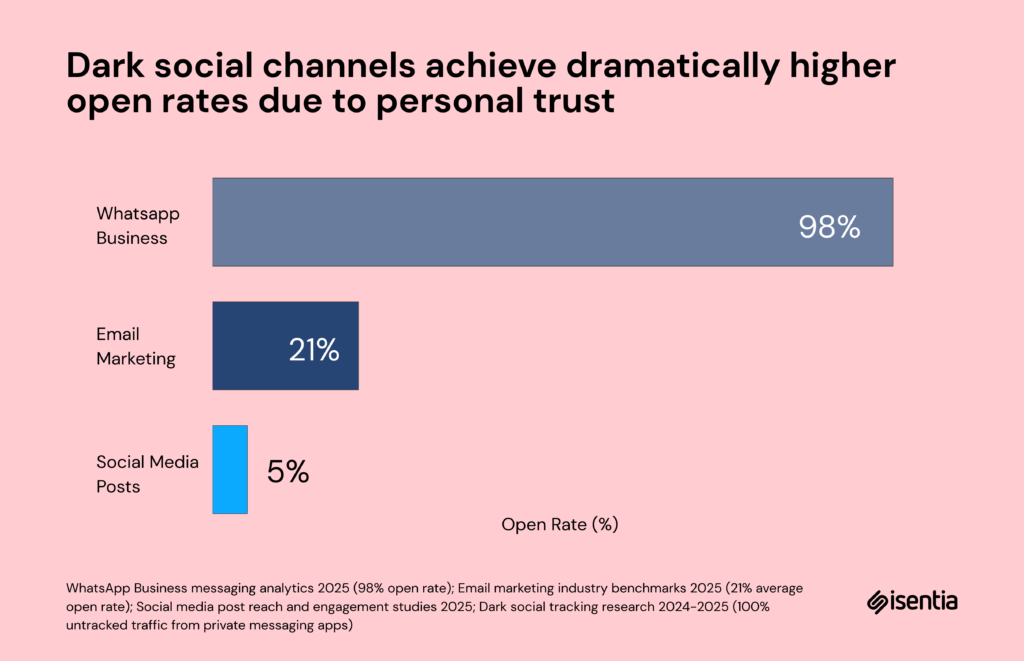
While public platforms like X (Twitter) or TikTok are visible, the real momentum is building in places where we don’t expect it or don’t see — in the private, encrypted channels. A WhatsApp family group chat is where a piece of news all brews and snowballs into a much larger piece of news that’s ultimately forwarded many times. This signals a difference in generations and their way of adapting to new-age comms, that makes them vulnerable to fake news or deepfakes.
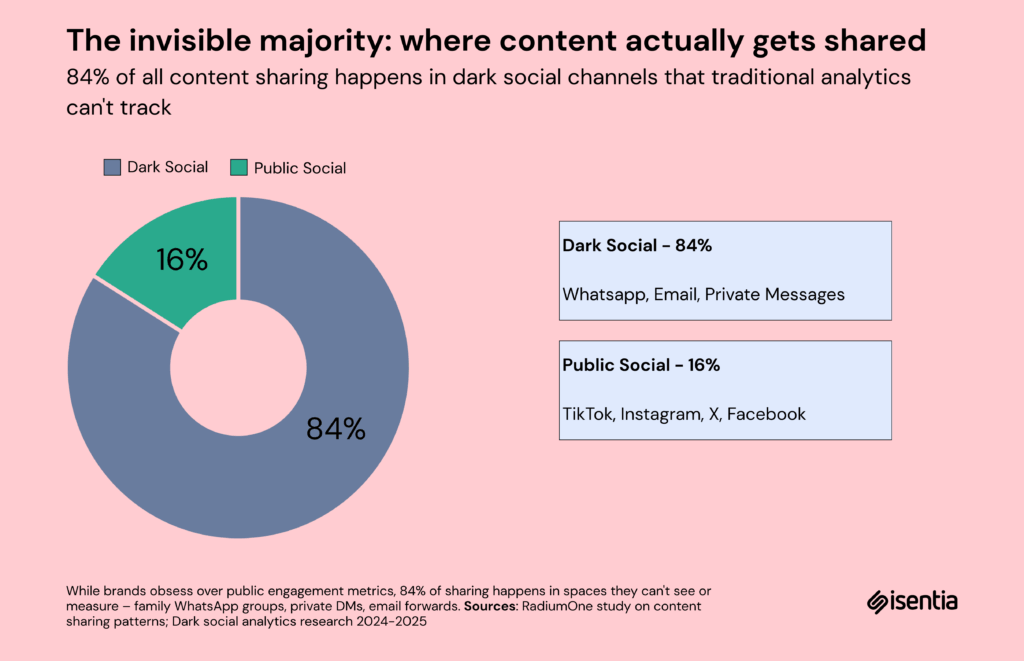
A corporate announcement or a CEO’s statement, for example, might be circulating in thousands of these private groups, gathering skepticism or support long before it surfaces on the media monitoring dashboard.
Stop fighting the physics
So, how do communicators survive this pinball machine?
The lesson for professionals is to stop trying to control the exact path—one can’t. Instead, be ready to “use the flippers.” This means having a crisis response speed that matches social media, and not what’s going to take its time and how it looks on the morning papers the next day. Stories become viral in seconds, and professionals need to have guardrails that protect them and their brand in such circumstances. It means identifying third-party advocates who are already inside those niche communities and can nudge the news back in a positive direction.
In this non-linear landscape, one doesn’t get to choose the path the story takes. You only get to prepare for the bounces.
About the Author