During today’s Q4 2025 earnings call, Elon Musk announced Tesla confirmed what many had suspected for years.
The production of Model S and Model X is coming to an end.
While Tesla ended the RHD version of these flagship cars back in 2023, they do hold a special place in many Tesla hearts.
Personally, I reviewed the Model S P90D 10 years ago, back in January 2016. This car dramatically changed what I thought a car could be. While it was worth a quarter of a million dollars at the time, I was hooked by the acceleration and the technology and I wanted in… big time!
With the Model S, it rocketed from 0-100km/hr in around 3 seconds, and I had a great time sharing it with friends and family. I captured their reactions on video, which went on to get
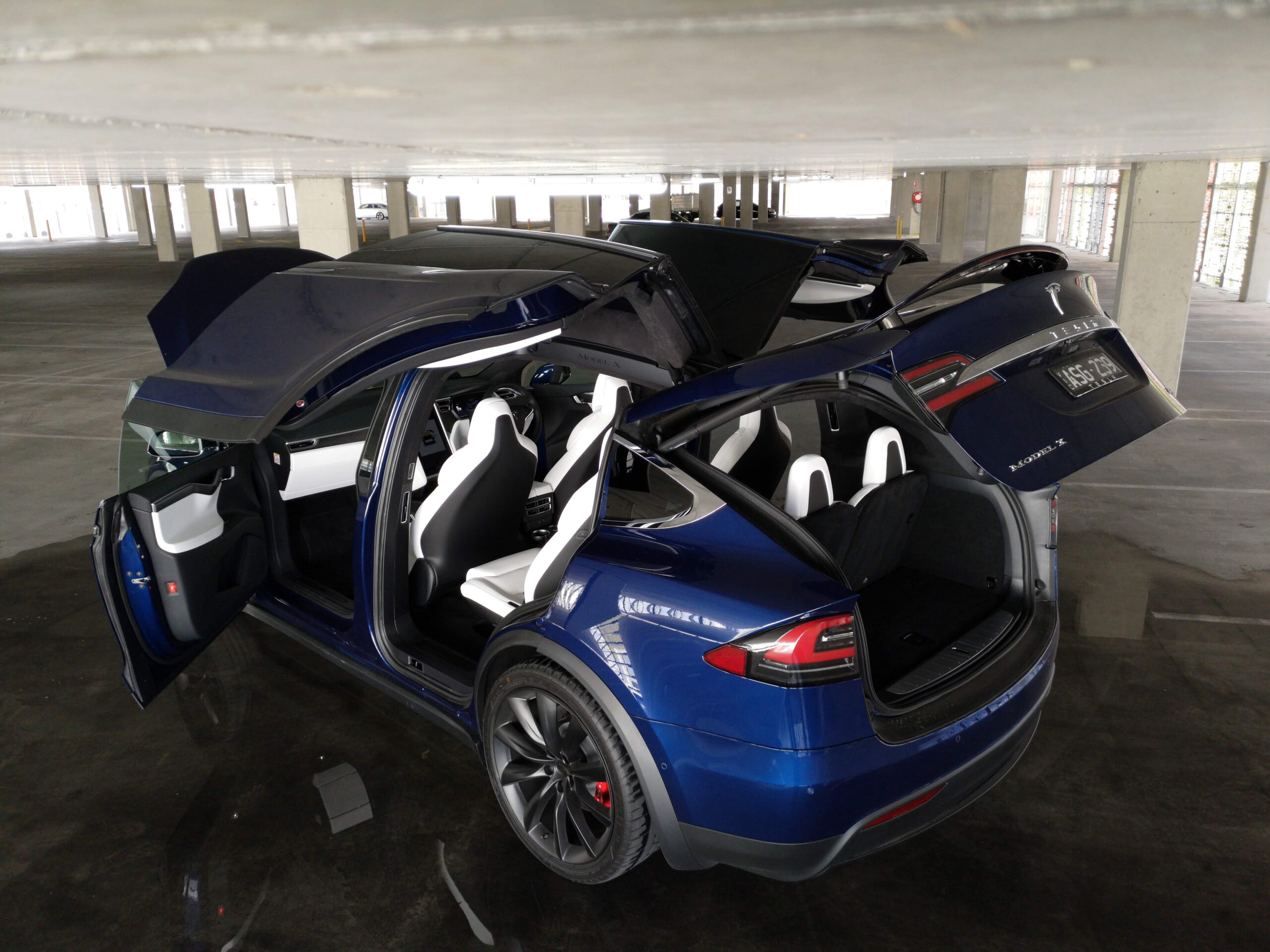
1.2 Million views. By June 2018, I reviewed a Model X P100D, and again was impressed by the technology, with the standout feature being those unique falcon-wing doors.
Having spent time in these amazing vehicles, I knew I had to own a Tesla and when the more affordable Model 3 was announced, it was time to order. In September 2019, I had one of my very own in the driveway, with the spark lit by the Model S, some 3 years earlier.
It was clear from Musk’s comments today that these held a fond place in his heart but the practical realities of where the company is going means they had to sunset these products to make way for the next.

Why the flagship models are getting an honourable discharge
The Model S started way back in 2012 in the US, while the Model X joined the party in late 2015. While they served as the halo cars that funded the development of the Model 3 and Model Y, their relevance has been fading in the face of newer, more efficient siblings.
Musk described the move as a natural progression for a company that is no longer just a car manufacturer but a physical AI firm.
“It’s time to basically bring the Model S and X programs to an end with an honourable discharge, because we’re really moving into a future that is based on autonomy.”
Elon Musk, CEO, Tesla.
The numbers back up the decision, even if they make for grim reading for fans of the big sedan and SUV. In 2025, Tesla delivered over 1.58 million Model 3 and Model Y vehicles globally.
By comparison, the combined deliveries for the Model S, Model X, and the Cybertruck sat at just over 50,000 units. When you look at the factory floor through that lens, keeping dedicated lines for two aging platforms starts to look like a luxury Tesla can no longer afford.

Making way for the robots
The big news for the Fremont factory isn’t just the end of the S and X, but what takes their place. Tesla is going all-in on the Optimus robot, with a long-term goal of producing a million units a year in that specific factory space.
Musk has long claimed that Optimus will eventually be more valuable than the entire car business. By clearing out the Model S and X production lines, Tesla is betting the house that humanoid robots are the next big frontier in consumer tech.
The company expects to start winding down production in the second quarter of 2026. This means if you are in a market where these cars are still sold, the window to buy a brand-new one is closing rapidly.

What this means for Australia
While the loss of the Model S and X doesn’t change the current Australian lineup, it does signal a shift in Tesla’s local strategy. We are likely to see even more focus on the Model Y, which continues to dominate the sales charts, and places renewed hope that we’ll see the rollout of the Cybertruck here soon.

The death of S3XY
For years, the Tesla lineup was a tongue-in-cheek joke from Musk, with the Model S, 3, X, and Y spelling out “S3XY.” With the S and X heading to the “great gig in the sky,” the branding era that defined Tesla’s rise is effectively over.
The “S3XY” era is being replaced by a more utilitarian and autonomous focus, including the upcoming Cybercab and the mass-market Optimus robot. It’s a transition from being a disruptor in the automotive space to trying to disrupt the entire concept of human labour.
“If you’re interested in buying a Model S and X, now would be the time to order it.”
Elon Musk, CEO, Tesla.
For current owners of these vehicles, Tesla has promised to continue supporting the platforms for as long as they are on the road. Service, parts, and software updates shouldn’t disappear overnight, but the hardware has officially hit its ceiling.

Final thoughts on a legacy
The Model S was the car that proved electric vehicles didn’t have to be boring, slow, or ugly. Despite its complex and often problematic falcon-wing doors, the Model X, showed that a family SUV could have supercar-beating acceleration.
They were the pioneers that allowed the Model 3 to exist, which in turn paved the way for the EV revolution we see in Australia today.
As we look toward a future filled with humanoid robots and autonomous taxis, it’s worth taking a moment to appreciate the cars that started it all. The Model S and Model X may be getting an “honourable discharge,” but their impact on the industry will be felt for decades.
For more information, head to https://www.tesla.com/en_au
About the Author