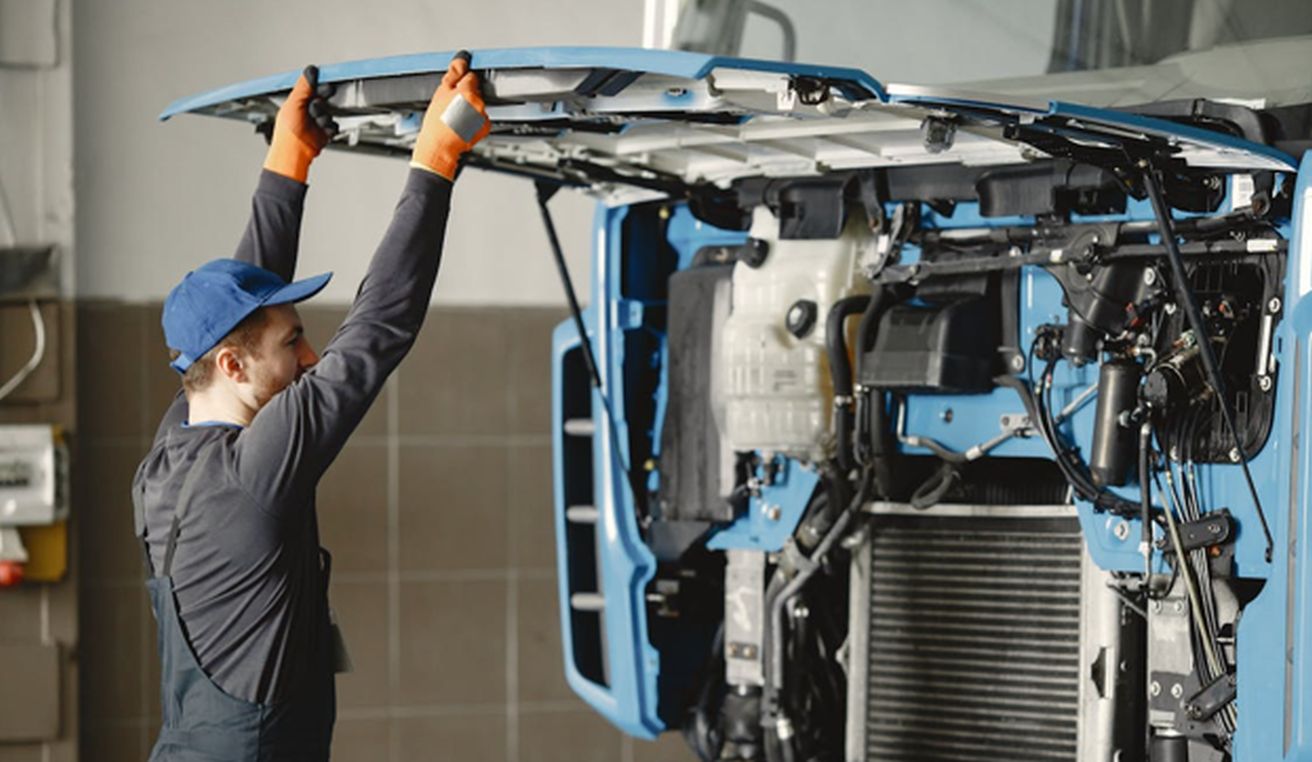
When was the last time you opened your hood without being told to? Most drivers get real familiar with their dashboard—gas gauge, speedometer, maybe the tire pressure light when it blinks at the worst possible time. But past that? Many treat the rest of the vehicle like a sealed box only a mechanic should touch. In this blog, we will share why understanding your vehicle beyond the dashboard matters more than ever.
The Disconnect Between Driver and Machine
Modern vehicles have become smarter and more self-regulating, but that hasn’t made drivers more informed. In fact, it’s done the opposite. As cars have evolved into rolling computers, it’s become easy to treat every warning light like a vague suggestion—just another thing to Google or ignore until it blinks too many times to be comfortable. But that convenience comes with a price.
Mechanical problems don’t usually start with dashboard alerts. They begin with smells, noises, hesitations, or subtle changes in how the vehicle handles. A soft brake pedal, a strange vibration at higher speeds, or even a delay when shifting gears—all of these show up long before your car decides to tattle on itself digitally.
Drivers who understand how their vehicle works from the ground up don’t just save money. They prevent disasters. And as more people rely on delivery vehicles, long commutes, or mobile workstations, the costs of downtime go up fast. A vehicle out of commission isn’t just a hassle—it can mean lost time, lost income, or even being stranded in the wrong place at the wrong time.
This is especially true with diesel vehicles, which often serve as the backbone for small fleets, contractors, and on-the-go service providers. For these, mobile diesel repair services offer critical support when a breakdown happens on-site or en route. Instead of hauling a truck to the shop and waiting days for diagnosis, trained techs can come to the vehicle, assess the issue on the spot, and handle most repairs with the same precision you’d expect from a full garage. This kind of professional support cuts down time, reduces towing costs, and gets businesses back in motion. It’s not about skipping the shop—it’s about bringing the right shop to the problem.
Understanding the system beneath the dashboard helps you communicate better with those professionals, spot issues early, and make decisions that protect both safety and investment.
What Your Dashboard Doesn’t Say
Most dashboards aren’t built to warn you about long-term wear. They don’t flash a message when your suspension is slowly failing or when your brake pads are two bad stops away from metal-on-metal. These problems creep up. You only notice when the car doesn’t feel right—but by then, the fix is more expensive than it had to be.
Knowing your vehicle means paying attention to the little changes. Is the steering looser than it used to be? Is there more bounce when hitting bumps? Are the brakes making more noise than usual, even if no warning light has come on? These are the kinds of signals that come from the road, not from the dash.
Paying attention to tire wear is another overlooked skill. Uneven wear isn’t just about alignment—it can reveal worn ball joints, shocks, or bushings that are slowly eroding the vehicle’s control. Letting it slide invites bigger repairs, and in worst cases, it compromises how the car handles under stress.
And while dashboards may tell you when to change the oil, they don’t track oil quality. Short trips, extreme temperatures, or towing loads strain oil far faster than a factory-set schedule assumes. Knowing how your engine sounds and feels on clean oil versus old oil makes a difference. Over time, it teaches you what’s normal—and what’s not.
Climate, Distance, and Driving Habits Matter
Not every vehicle ages the same way. A truck used in the mountains wears differently than one driving flat interstates. A city-based SUV doing school runs needs different care than a van hauling equipment across rural backroads. The way a vehicle is driven affects every system—cooling, braking, transmission, even frame wear.
In places with wide temperature swings, like the Midwest or Southwest, components expand and contract daily. Rubber hoses, belts, and seals dry out and crack faster. In coastal regions, salt eats metal from the underside up. All of this plays out in silence—until it doesn’t.
Drivers who know their vehicle inside and out tailor their maintenance to their reality, not a factory default. They don’t treat a cold-weather startup the same as a summer highway drive. They know how long their brakes last under load. They check belts and fluids during fuel stops, not just service intervals. And they understand that preventive care isn’t a hobby. It’s a system.
Keeping Vehicles Road-Ready in a Time of Supply Delays
One trend that’s shifted everything over the past few years is the delay in parts availability. Whether it’s chip shortages, supply chain backups, or factory slowdowns, getting a part is no longer as simple as “we’ll have it tomorrow.” In some cases, it’s weeks. That means catching a problem early—before it breaks—isn’t just smart. It’s essential.
A worn alternator that fails suddenly might sideline the vehicle for days if the part has to be sourced from three states away. A radiator hose that bursts could have been replaced easily had it been noticed while it was only cracking. And a failing sensor might affect multiple systems before it gets flagged.
With newer vehicles requiring increasingly specialized parts—and older vehicles becoming harder to support—it’s no longer wise to wait for signs from the dashboard. The cost of waiting is higher now. The timeline to repair is longer. And even routine services need more planning ahead than they used to.
That’s where relationships with mechanics, mobile repair services, and parts suppliers matter more than ever. Vehicles don’t run on oil and gas alone. They run on the information drivers gather, the maintenance they prioritize, and the professionals they rely on when something feels off.
Knowing your vehicle beyond the dashboard isn’t about becoming a gearhead or diagnosing every rattle by ear. It’s about being a better operator of the machine you trust with your time, your money, and your safety. It’s the difference between reacting and planning. Between fixing small problems and living with big ones.
The dashboard tells you what the system already knows. But by the time it lights up, the damage may already be done. Learning to read the vehicle—not just its displays—keeps you ahead of breakdowns, ahead of costs, and ahead of whatever the road throws your way next.
About the Author