Road safety has long been a concern for communities across the globe. From distracted driving to unpredictable weather conditions, countless factors contribute to roadway accidents every year. Fortunately, technological developments in transportation are helping to reduce risks and create safer environments for all road users—drivers, pedestrians, and cyclists alike.
This article breaks down several modern technologies that are transforming transportation safety, from the vehicles themselves to the infrastructure they move through.
Advanced Driver Assistance Systems (ADAS)
What Is ADAS?
Advanced Driver Assistance Systems, or ADAS, are integrated features in modern vehicles designed to assist drivers during the operation of a car. These systems include tools such as lane departure warnings, adaptive cruise control, and automatic emergency braking. By providing alerts and occasionally stepping in to control the vehicle, ADAS features support drivers in maintaining safer control over their cars.
Impact on Road Safety
These systems have shown a clear link to accident prevention by reducing human error—one of the leading causes of crashes. For example, forward-collision warnings paired with automatic braking can reduce rear-end collisions, while blind-spot monitoring helps prevent side-impact accidents during lane changes.
Autonomous Vehicles
Introduction to Self-Driving Technology
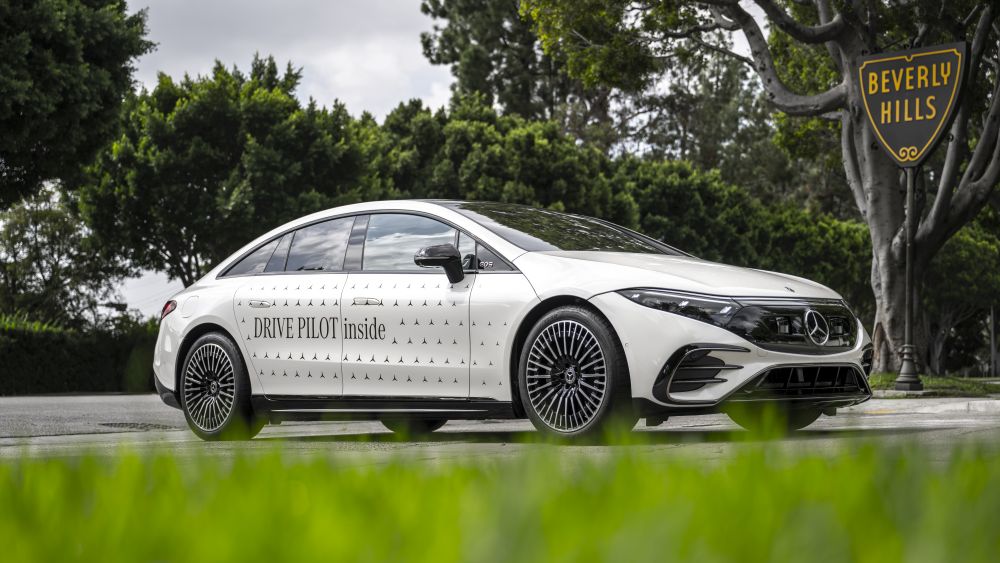
Self-driving cars, once a futuristic idea, are becoming more visible on our roads. These vehicles use sensors, radar, cameras, and software to navigate traffic with limited or no input from a human driver.
How They Improve Safety
Machines don’t get tired or distracted. With the right programming and safety protocols, autonomous vehicles can maintain consistent attention to the road, react more quickly than human drivers, and make calculated decisions that avoid risky behavior.
Challenges and Future Potential
Despite their promise, challenges remain—such as public trust, legal regulations, and the complexity of real-world driving conditions. Still, the long-term vision includes dramatically reducing road fatalities by minimizing human error.
Smart Infrastructure
Connected Roadways
In many places, roads are being upgraded with embedded sensors, cameras, and communication equipment that interact directly with vehicles. These smart roads can gather and share information with cars in real time.
Real-Time Data Usage
By delivering instant updates about weather, traffic jams, or construction zones, this infrastructure helps drivers make informed decisions—potentially avoiding hazards before they become emergencies.
Integration with Vehicle Systems
When combined with in-car features like ADAS, smart infrastructure allows for even more seamless cooperation between drivers and the environment around them. A car that receives instant updates from the road itself is better positioned to react quickly and avoid incidents.
Vehicle-to-Everything (V2X) Communication
What Is V2X?
V2X communication enables vehicles to “talk” to each other and to infrastructure such as traffic signals and road signs. It’s an emerging approach to create a network of information sharing that supports safer driving.
Safety Benefits
Imagine a car alerting another about an icy patch just ahead or warning about a vehicle approaching too quickly from a blind spot. These communications allow drivers and systems to respond faster, which can prevent accidents.
Looking Ahead
As cities modernize and connected cars become more common, V2X may serve as the backbone of traffic coordination—potentially making intersections safer and reducing crashes in high-risk zones.
Wearable Tech for Pedestrian Safety
New Tools for Walkers and Cyclists
Safety isn’t just for those behind the wheel. Smart devices like wristbands, helmets, or clothing with embedded sensors are giving pedestrians and cyclists new ways to stay aware of nearby vehicles.
Reducing Pedestrian Accidents
These tools can vibrate or light up when a car approaches too quickly or when someone enters a high-risk zone, such as a crosswalk. Some systems also send alerts to nearby drivers, creating a two-way warning system.
Beyond pedestrians, one crucial step every vehicle owner can take to stay safer on the road is to check the VIN—the Vehicle Identification Number. This allows drivers to uncover recalls, verify accident history, and confirm key safety features, ensuring their car is roadworthy and up to date.
AI and Big Data in Traffic Management
Predicting Trouble Before It Happens
Traffic control centers are starting to use data from cameras, apps, and sensors to anticipate busy areas or dangerous intersections. This allows them to adjust traffic lights, post warnings, or reroute traffic to prevent collisions before they occur.
Responding in Real Time
When something does go wrong—like a stalled car or sudden slowdown—these systems can quickly spot the issue and send help or alerts. This faster response can keep minor incidents from becoming major ones.
The Role of Drones and Aerial Surveillance
Eyes in the Sky
Drones are now used by traffic authorities to get a bird’s-eye view of congestion or crash scenes. With minimal disruption to roadways, they can capture valuable footage that helps with both real-time response and future planning.
Supporting Emergency Response and Safety Planning
In emergencies, drones can quickly assess how many vehicles are involved and how best to reroute traffic. Over time, the data collected helps improve long-term traffic patterns and safety strategies.
Challenges and Future Directions
Barriers to Widespread Adoption
Despite the promise, these technologies require significant investments. Upgrading infrastructure, maintaining cybersecurity, and ensuring public understanding are ongoing challenges.
What’s Next?
Looking forward, we may see fully connected transportation systems that use predictive tools to stop accidents before they start. While we’re not there yet, each step—whether it’s a smarter car or a more responsive roadway—brings us closer.
Conclusion
From smarter vehicles to more responsive roads, technology is quietly reshaping how we move—and how safely we do it. These changes aren’t just making driving easier; they’re saving lives. As more innovations become reality, the hope is simple: safer streets for everyone, no matter how they travel.
About the Author