The 10-kilometer-long immersive land-art installation, titled CLIO, situated in the Margham desert of Dubai, represents a multi-layered ecosystem of cultural dialogue, architectural innovation, and participatory storytelling. It is engineered to function as a living archive of human experience, transforming the desert’s role from a static backdrop into an active medium of expression.
Agron Hoti’s 10-kilometer-long Immersive Installation
Agron Hoti, an Albanian-born visual artist, envisioned the narrative of CLIO, pushing the boundaries of scale and physical endurance. His work explores gestural abstraction, a technique that prioritizes instinctive movement and raw material interaction over preconceived planning. Under the leadership of Massimiliano Suglia, CEO and Founder of CLIO Desert Park, this initiative aims to embody the spirit of respect and multiculturalism that defines modern Dubai.
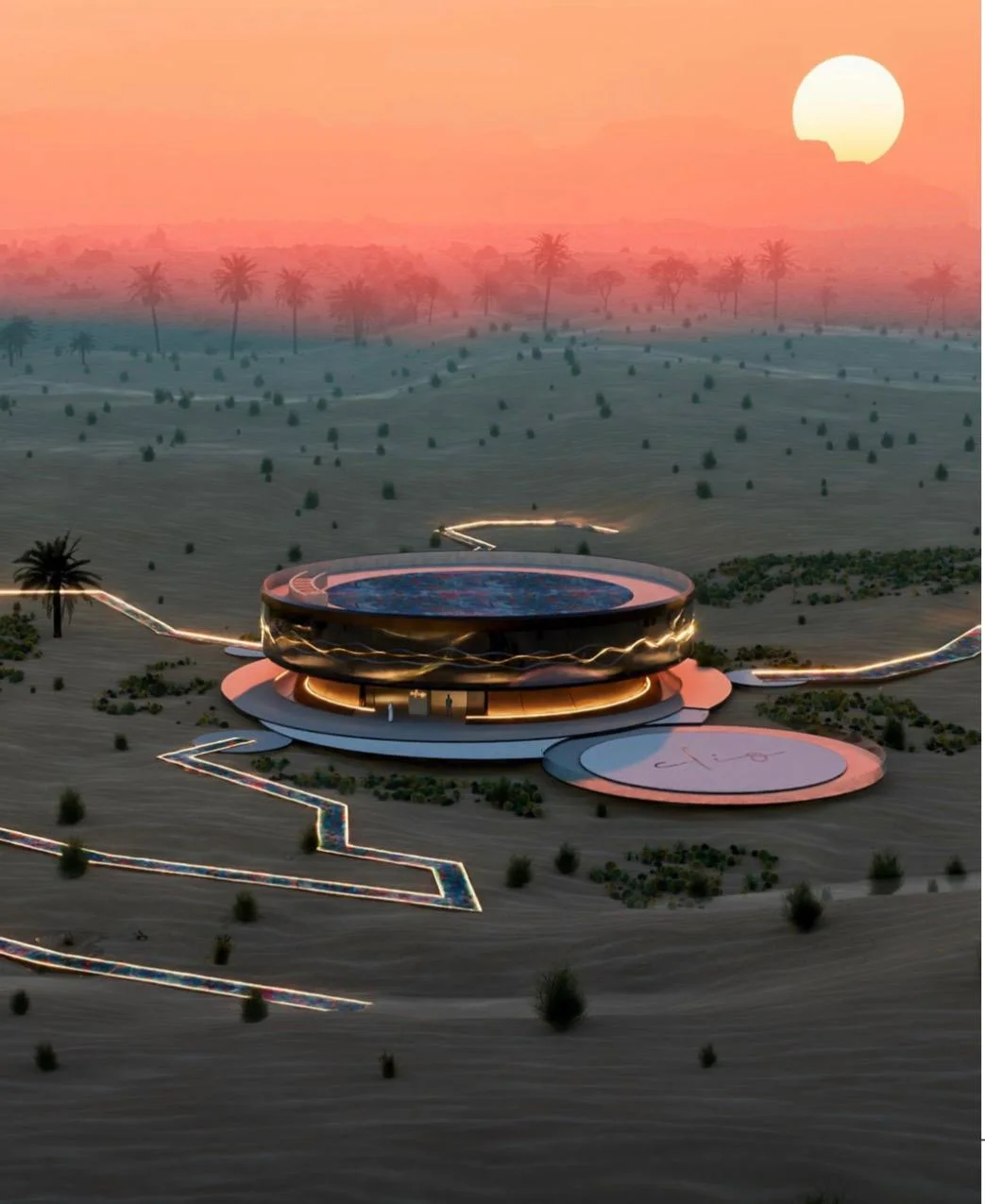
The philosophy of the design is deeply rooted in the transcendence of global fragmentation evolving through the universal language of art. Crafted at unprecedented proportions, the installation signals a transformative moment at the intersection of contemporary aesthetic practice and strategic development.
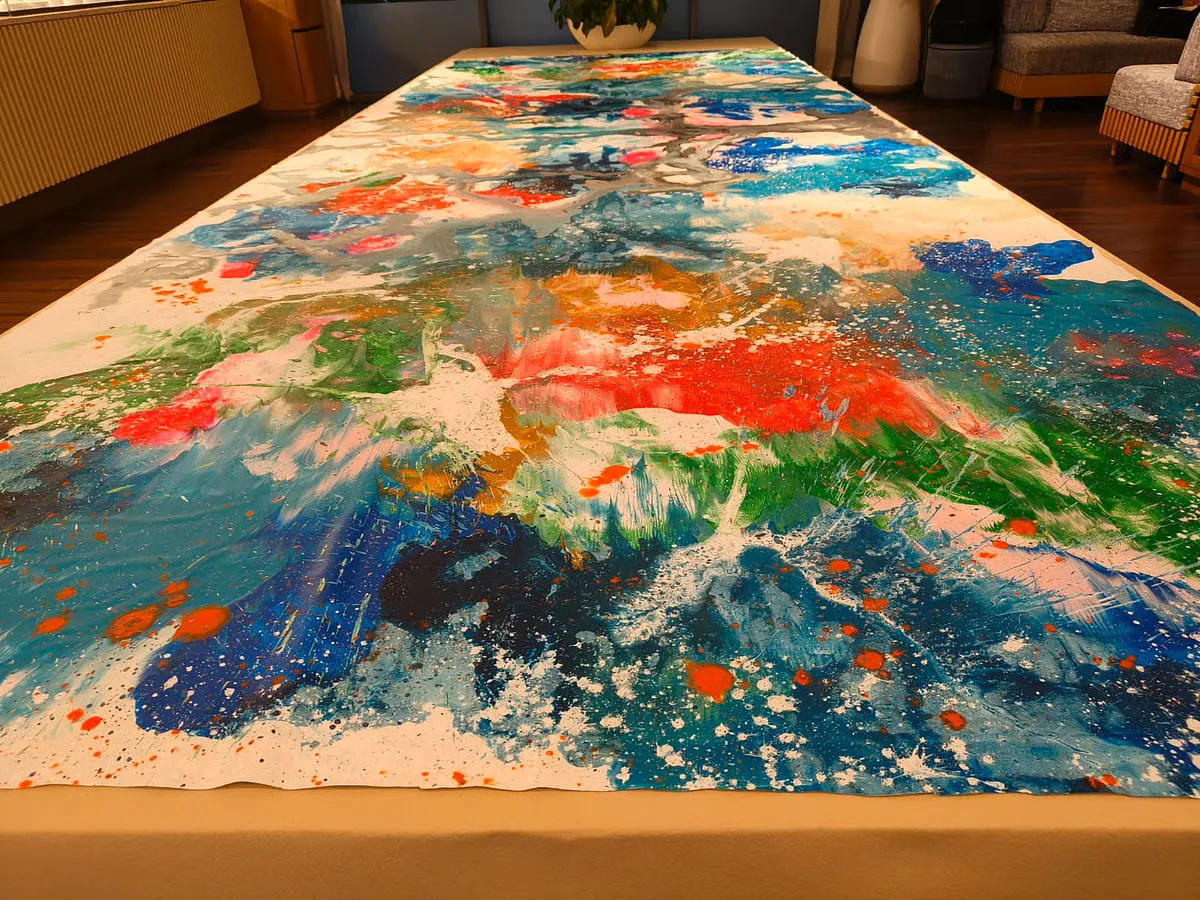
The physical aspect of CLIO is defined by its modularity, which emphasizes both the artistic narrative and technical demands of installation in an extreme environment. The installation is composed of 25,000 authenticated modules, each reflecting the story of human evolution and a shared vision.
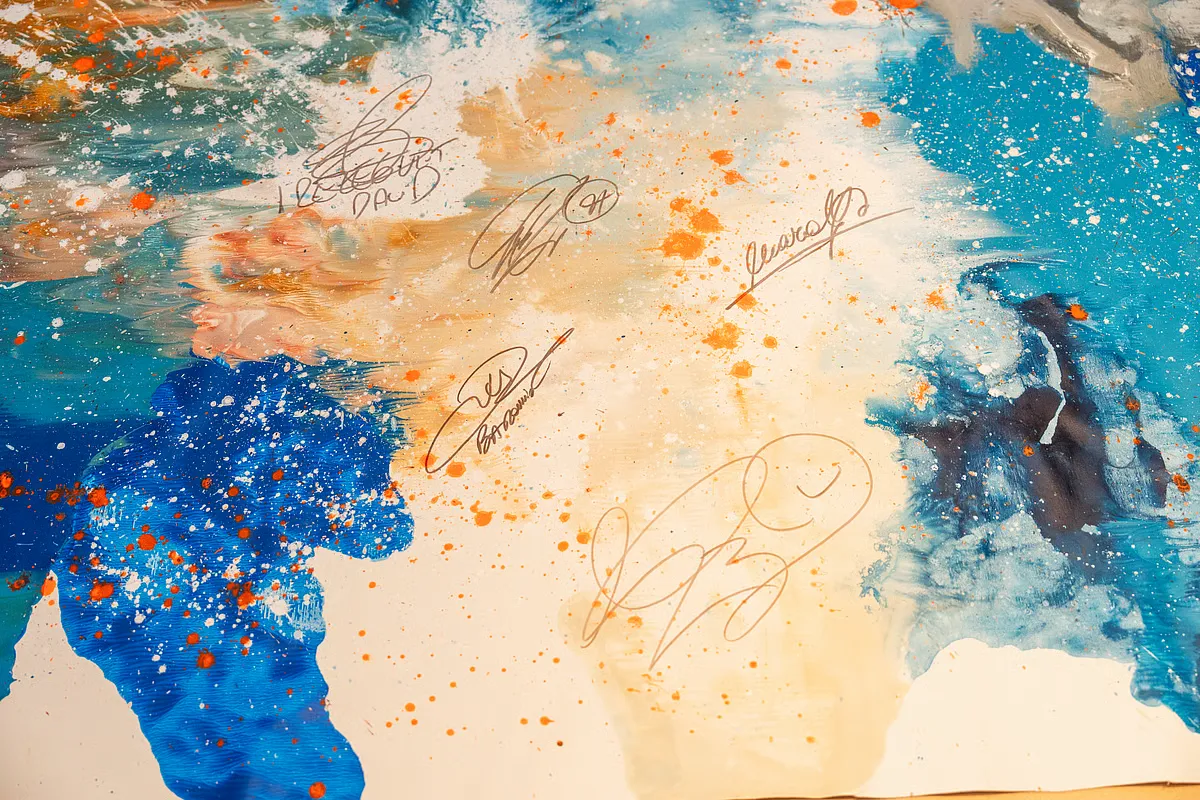
Hoti’s idea was to move beyond the white cube of gallery space and use the desert as a vast white canvas shaped by wind, light, and time. The use of synthetic fibers and inorganic mineral pigments ensures that the structure can withstand the intense heat and humidity of the Margham desert.
Matteo Antonelli and the Spaceship Hub
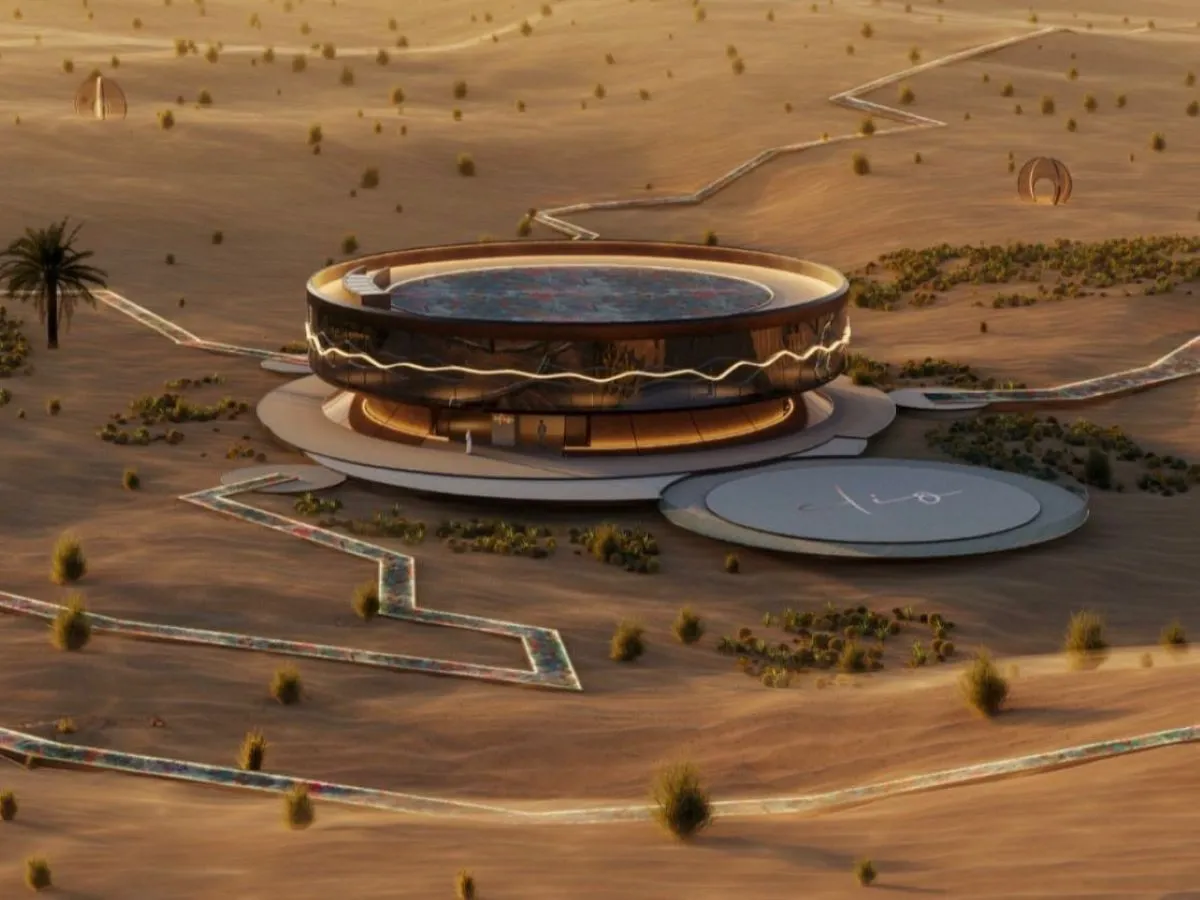
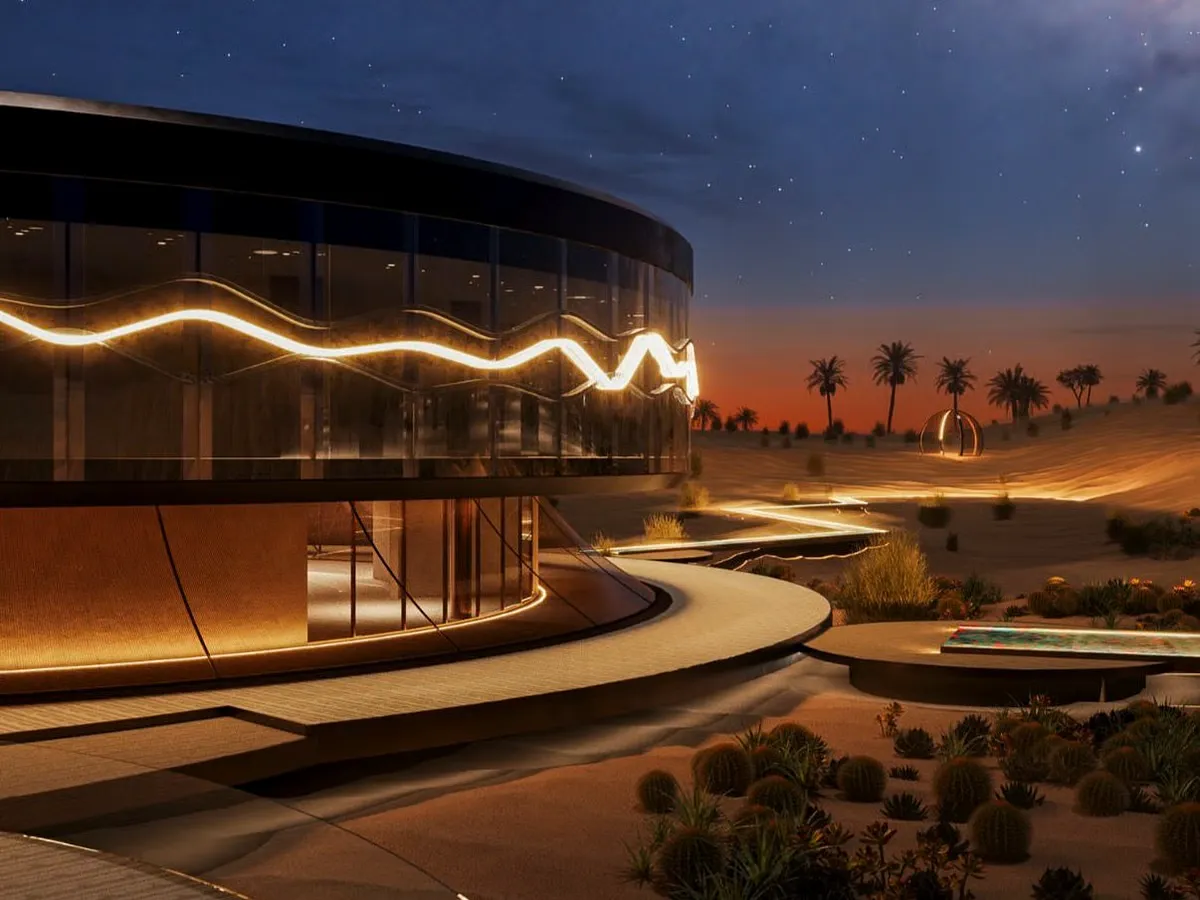
The 10-kilometer-long installation ensures that visitors experience the vibrations of the earth and feel deeply connected to the present moment, prioritizing it over the digital noise of modern metropolises. The conceptual framework of the CLIO installation lies in Clio House, a spaceship-like structure landed in the dunes, designed by architect Matteo Antonelli. Designed on the principles of circular geometry, it represents timelessness, the absence of edges, and non-hierarchical spatial organization.
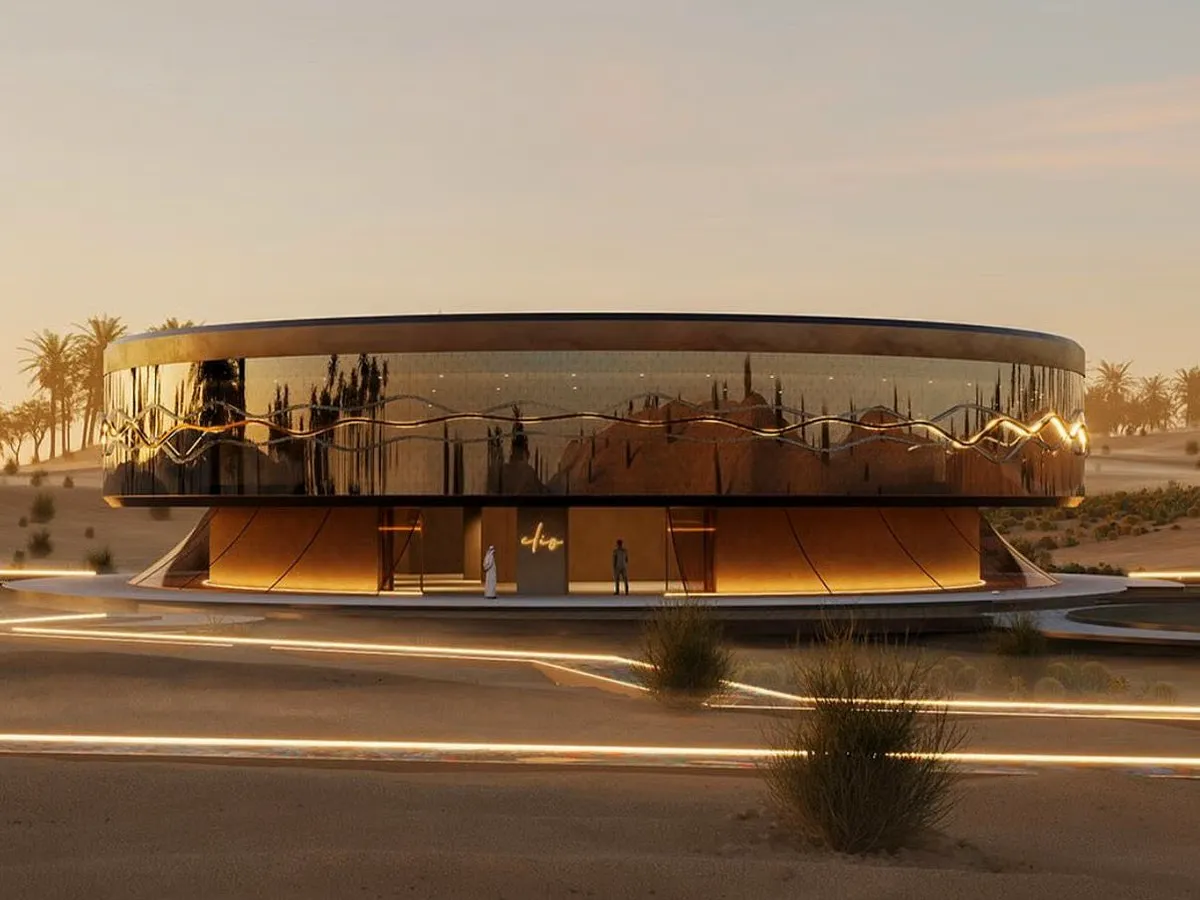
Antonelli believes that every person may take a different path to arrive at the center; the shared experience of the circle creates a sense of unity in which the visitor is equal. The structure functions as a year-round cultural maison, serving as a platform for exhibitions, talks, and collaborative residencies. The striking features include a panoramic 360-degree promenade that allows visitors to overlook the desert landscape and observe the 10-kilometer-long river of art from an elevated perspective.
Narrative of Inclusion
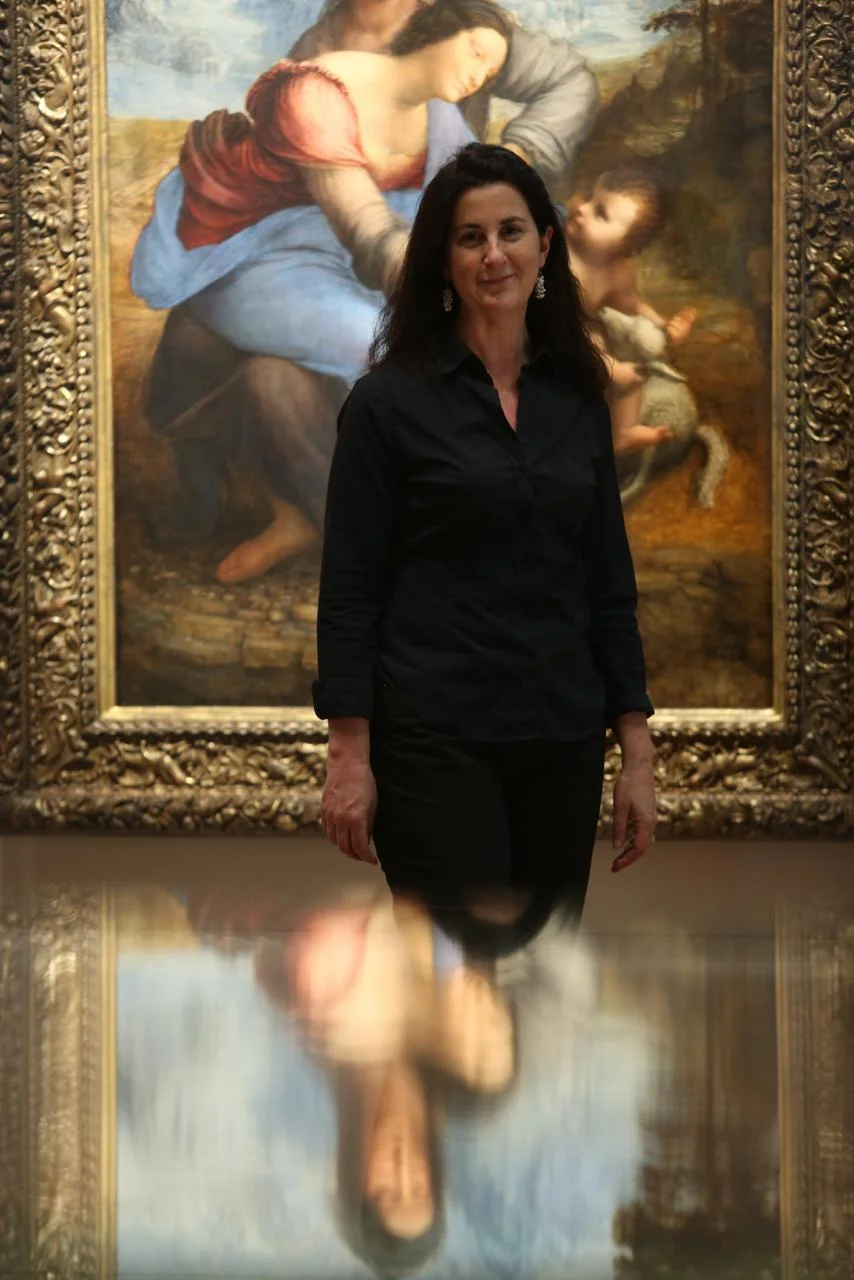
Maintaining a 10-kilometer-long installation in the harsh conditions of the Arabian desert presents challenges related to UV radiation, extreme thermal fluctuations, and sand erosion. To address these technical hurdles, Cinzia Pasquali, one of the world’s most esteemed art conservators, renowned for her restoration of Leonardo da Vinci’s Saint Anne, has been appointed to balance material science and traditional conservation ethics.
CLIO is planned as a multi-phase development that allows the project to build momentum and cultural impact over the course of more than a decade. The first phase, known as CLIO Oasis, is slated to open in March 2027 and is planned to coincide with a Nike-headlined marathon, further emphasizing the project’s intersection with sport and physical movement.
Photo Credit: © Agron Hoti, CLIO Desert Park
About the Author