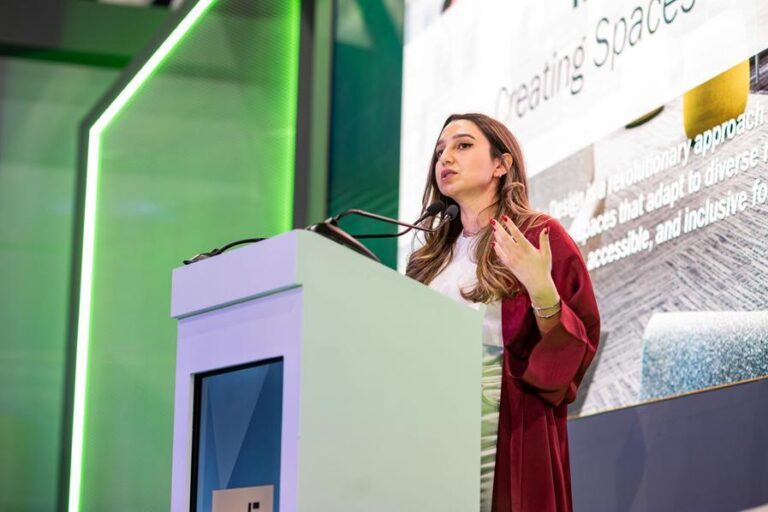
Kuwait has recorded the highest rate of private tutoring among middle school students in the Gulf region, with 55 percent of eighth-grade students receiving additional lessons outside school, according to regional data presented at an education conference in Ras Al Khaimah.
The figures were revealed by Professor Mark Bray, an education expert and holder of the UNESCO Chair in Comparative Education, and reported by The National newspaper.
The data showed that Saudi Arabia ranked second with 50 percent of eighth-grade students relying on private tutoring, followed by Bahrain at 49 percent.
The rates in Oman and the UAE stood at 40 percent and 36 percent respectively. At the secondary level, the trend was even more pronounced, with 63 percent of Grade 12 students in Dubai and 56 percent in Qatar depending on private lessons to support their studies.
Education specialists warned that the growing reliance on private tutoring in Gulf countries poses serious risks to students’ mental health. They stressed that mounting pressure to achieve high exam scores is leading to exhaustion, anxiety and severe stress among children and adolescents.
Bray described the phenomenon as “shadow education,” noting that it does not necessarily indicate weaknesses in school systems but is often driven by intense social competition.
He cautioned that confining a child’s life to a continuous cycle of school, private tutoring and homework, without adequate time for rest or play, can have devastating psychological consequences.
“It grows in strong schools just as much as in weak ones,” Bray said, adding that competition remains the main driver and is unlikely to disappear.
Natasha Ridge, Executive Director of the Sheikh Saud bin Saqr Al Qasimi Foundation for Public Policy Research, highlighted the financial burden private tutoring places on families, particularly those with low incomes.
She explained that some households spend up to half of their income on education and extra lessons due to fears about their children’s future prospects.
Both experts agreed that private tutoring is unlikely to fade even if school standards improve. Ridge pointed out that the sector is governed by supply and demand, arguing that real change would come if parents demand schools that deliver the full curriculum effectively, reducing the need for additional tutoring. “That’s where the real impact lies,” she said.
About the Author