The monetary cost of the opioid epidemic in Virginia has reached new heights despite a significant and steady decline in deadly drug overdoses.
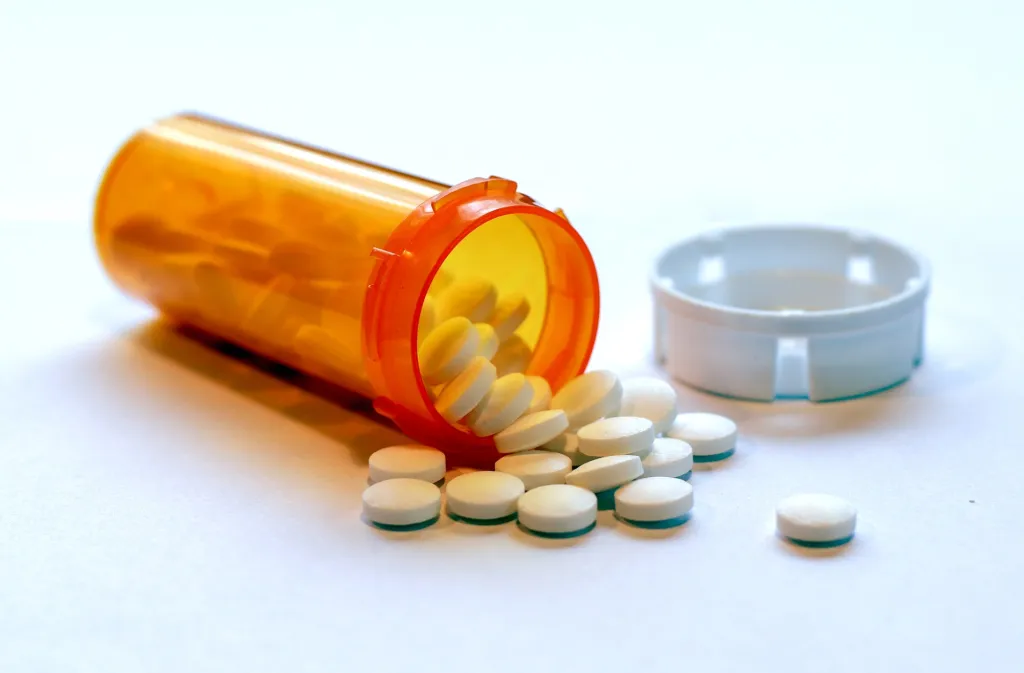
Opioid-related deaths make up the majority of drug-related fatalities, an analysis shows, costing the state and its residents billions of dollars in the form of lost labor, health care expenses, the price of child-related services and in the criminal justice sector. For over a decade, fatal overdoses have remained the leading cause of unnatural death in the state.
The opioid epidemic costed the commonwealth’s residents roughly $5.2 billion in 2023 alone, a joint report from the Virginia Department of Health and Virginia Commonwealth University found. The report, published in November, indicates the epidemic indirectly costed an average of $593 per Virginian.
Data from the health department found a nearly 47% decline in the total number of recorded drug deaths from 2021 to 2024 — when the peak number of fatal overdoses was recorded to the year with the latest finalized numbers. That amounts to 2,622 deaths in 2022 down to 1,403 in 2024.

Opioid-related deaths, which in Virginia make up over 80% of recorded drug-related fatalities, are likewise down 52% — with a recorded peak of 2,225 in 2021 to the latest finalized figures of 1,066 in 2024.
The health department’s preliminary numbers for 2025 indicate a year of possible record lows in both drug and opioid deaths.
And the efforts by state and federal programs, nonprofits and medical practitioners to treat drug overdoses really do pay off.
Researchers at Virginia Commonwealth University found that opioid treatment can effectively net the state’s economy billions of dollars.
“This really does affect everyone,” said Derek Chapman, professor of epidemiology at VCU’s School of Public Health and director of the Center on Society and Health. “At its coldest level, just on a financial basis, this is relevant to everyone. Everyone should want people that can contribute to the economy and make their community more prosperous. Anything that’s good for the economy is good for everybody.”
The Center on Society and Health researches the intersection of health implications with social factors, like income, neighborhoods and public policy academically. Its study reviewed VDH data on deaths and overdoses by city and county in conjunction with national and state reports on the estimated costs of related medical expenditures, Chapman said. Things such as an area’s tax rates, median wages, the costs of health and medical care as well as the cost incarcerations were then factored to generate a relative cost per locality, based on population size and the number of fatal opioid overdoses.
It’s no accident the state is seeing a reduction in drug deaths. Lucy Hahn, user experience designer at VCU’s Center on Society and Health, said the number of life-saving overdose reversals outpaced the number of overdose deaths in 2023.
She said that while policing and crime reduction measures have proven powerful, thorough harm reduction hinges on providing compassion and dignity to those experiencing addiction. Hahn and Chapman specifically credited the availability of Naloxone, a medication that can effectively reverse an opioid addiction, and the effectiveness of Comprehensive Harm Reduction sites, centers authorized by the health department to administer care in cases of opioid addiction and other services.
VCU’s study reports that 70% of the over 2,000 recorded fatal drug overdoses in 2023 were preventable. Factoring for the average person’s lifetime, about $1 million worth of productivity and wages are lost to fatal drug overdoses, Chapman said.

He expects in the years to come the amount of money “saved” by the state will lessen because the number of Virginians facing opioid addiction will have reduced.
“If we declare the battle is won, we can go right back pretty quickly,” Chapman said. “Though there’s a lot of pressure towards it, we need to keep our efforts going just to maintain this.”
Local impact
The total cost of the opioid epidemic to the seven major cities of Hampton Roads totaled just short of $1.2 billion in 2023, according to the joint report. On average, it costed the residents of those cities about $912 per person.
Tes La Dieu, population health manager and public information officer for the VDH’s Hampton and Peninsula health districts, said evidence-based treatment depends on both an availability to immediate emergency treatment as well as an avenue to recovery. A realistic recovery, she said, often means assistance in finding housing and consistent meals in addition to medical treatment.
Virginia will get $1.1 billion in opioid settlement money. Here’s how it’s being spent.
La Dieu said raising awareness translates to efforts in reducing some of the stigma surrounding drug abuse. Educating the public to recognize the signs of an overdose and use Naloxone — a resource that in many communities can be found for free — could reversewhat otherwise would be a fatal overdose.
On the Peninsula, La Dieu said, the health departments work in tandem with local organizations to distribute Naloxone and other resources. As of December, nearly 1,400 Naloxone kits had been distributed in Hampton and over 2,300 had been distributed in Newport News since the program began in January 2025.
John Buzbee, 757-879-7421, john.buzbee@virginiamedia.com
About the Author