
Published on
January 11, 2026

In the last quarter of 2025, the United States experienced a significant slowdown in its tourism recovery, as the Dominican Republic joined a growing list of countries—including the United Kingdom, Brazil, China, France, and India—in contributing to the decline in overseas arrivals. This shift reflects a broader global trend where key international markets have reduced their visitation to the U.S. due to a combination of rising travel costs, stricter visa regulations, and geopolitical tensions. The Dominican Republic, traditionally a reliable source of tourism for the US, mirrored the challenges faced by these other nations, highlighting how external factors such as economic pressures, visa complexities, and political concerns have disrupted global travel dynamics. As the U.S. tourism sector grapples with these declines, it is evident that the country’s recovery efforts will be further tested by ongoing declines from major international markets, which have now extended to the Caribbean region. This article delves into the reasons behind this significant decline and how it fits into the larger pattern of slowed U.S. tourism recovery in the final months of 2025.
Decline in Overseas Arrivals to the US in September 2025

The United States experienced a notable decline in overseas arrivals during September 2025, as data from the National Travel and Tourism Office (NTTO) reveals a 7.7% decrease in international visitation compared to the same month in 2024. This drop marked a challenging start to the final quarter of the year, reflecting the broader trends in international travel. The reduction in overseas visitors highlights a shift in global travel dynamics, with the U.S. facing increasing competition from other destinations and various external factors affecting traveler confidence. The NTTO’s findings underscore the pressure on the U.S. tourism sector as it enters the final months of 2025.
Decline in International Arrivals to the US in October 2025

In October 2025, the United States saw a continued decline in international visitation, as reported by the National Travel and Tourism Office (NTTO). Overseas arrivals dropped by 3.1% compared to the same month in 2024, based on preliminary data. Additionally, total international visitor arrivals, including those from Canada and Mexico, amounted to 5,846,506, representing a 5.7% decrease from October 2024. This figure corresponds to only 87.4% of the total pre-COVID visitor volume, indicating that while travel to the U.S. is recovering, it remains below pre-pandemic levels. The data paints a picture of a challenging travel environment as the U.S. faces reduced international visitor numbers entering the first month of the fourth quarter in 2025.
Continued Decline in US Overseas Arrivals in November 2025

In November 2025, the United States experienced a 3.5% decrease in overseas arrivals compared to the same month in 2024, according to preliminary data from the National Travel and Tourism Office (NTTO). This decline marked a continuation of the downward trend observed in the previous months of 2025, reflecting a persistent challenge for the U.S. tourism industry as it moved further into the fourth quarter. Despite gradual recovery in some regions, the decrease in international visitation underscores ongoing barriers to travel, including visa complexities and shifting global travel patterns. The NTTO’s report highlights the ongoing struggles faced by the U.S. in attracting overseas visitors as 2025 draws to a close.
Projected Decline in US Overseas Arrivals in December 2025

As 2025 came to a close, it is anticipated that the United States saw a continued decline in overseas arrivals during December, following the trend observed throughout the fourth quarter. While the data for December is not yet available, the patterns in September, October, and November—marked by consistent reductions in international visitation—suggest that the trend likely persisted in the final month of the year. This projected decline could reflect ongoing challenges such as increasing travel barriers, visa complexities, and higher costs associated with U.S. travel. The National Travel and Tourism Office (NTTO)‘s reports from earlier months indicate that these factors, along with a competitive global tourism landscape, have played a significant role in shaping international visitation to the U.S. in 2025.
Regional Declines in US Visitation

In November 2025, the United States saw varying trends in international visitation across different global regions, according to data from the National Travel and Tourism Office (NTTO). While some regions experienced notable declines in arrivals, others showed growth despite global travel challenges. Several factors, including economic pressures, visa complexities, and political concerns, have contributed to these regional variations. Below is a breakdown of the regional declines and gains in U.S. visitation, highlighting the reasons behind these shifts.
| Region | Change in Arrivals (November 2025) |
|---|---|
| Western Europe | -5.5% |
| Africa | -15.6% |
| Oceania | -14.4% |
| Caribbean | -6.6% |
Regional Declines in U.S. Visitation (November 2025)
- Western Europe: Western European travelers showed a 5.5% decline in arrivals to the U.S. in November 2025. This decrease can be attributed to a mix of factors, including the rising cost of travel, visa complexities, and concerns over U.S. immigration policies. Additionally, increasing travel restrictions and geopolitical tensions have led many to seek alternative destinations within Europe or nearby regions.
- Africa: Africa saw a significant 15.6% decline in U.S. arrivals. The high costs of airfare and travel restrictions, especially for certain African countries, have made it more challenging for travelers to visit the U.S. Furthermore, the visa process remains burdensome, with long processing times and high rejection rates, contributing to the reduced interest in U.S. destinations from this region.
- Oceania: With a 14.4% decline in arrivals from Oceania, factors such as increased airfare costs and lengthy visa processing times have deterred travelers. The long distance to the U.S., combined with relatively higher travel expenses, pushes many from this region to explore more accessible or cost-effective destinations closer to home, including Southeast Asia or Europe.
- Caribbean:Caribbean visitors to the U.S. decreased by 6.6% in November 2025. While geographical proximity is an advantage, economic factors such as inflation and higher travel costs have impacted the number of travelers. Additionally, political concerns and tightened border entry procedures have made the U.S. a less attractive destination for many Caribbean nationals.
United Kingdom: A Modest Dip in Tourism to the US

The United Kingdom has long been one of the most important sources of international visitors to the United States, but November 2025 saw a 1.8% decline in arrivals from the UK compared to the previous year. While the drop is relatively small, it reflects an ongoing shift in travel patterns from one of America’s most established tourism markets. Several factors appear to be contributing to this subtle but noteworthy dip. Heightened entry barriers, such as stricter visa requirements and higher processing fees, have made travel to the U.S. less convenient and more expensive for British citizens. These challenges, combined with the rising costs of airfare and accommodations, may be pushing many potential visitors to reconsider their travel plans. Additionally, ongoing geopolitical uncertainties and the impact of Brexit on European travel may have altered the priorities of British travelers, who are now exploring alternative destinations with fewer entry restrictions. This decline is a reminder that even the most loyal travel markets are susceptible to shifting global dynamics. While the U.S. remains a prime destination, the subtle decline from the UK suggests the need for the U.S. to reengage and simplify entry for its overseas visitors, particularly from key European markets.
France: A Significant Decline in French Visitors

France has historically been one of the leading countries contributing to international tourism to the U.S., but in November 2025, French arrivals dropped by 8.0% compared to the previous year. This significant decline signals a broader trend affecting European visitors to America, many of whom are now turning away due to perceived barriers to entry and increasing travel costs. French travelers, in particular, have expressed frustration over the more stringent visa procedures introduced in recent years, including higher fees and longer processing times. Beyond the bureaucratic hurdles, concerns over U.S. immigration policies and their potential impact on vacation plans have contributed to a shift in sentiment. As the U.S. faces rising costs across various sectors, including airfare, lodging, and food, it’s becoming an increasingly expensive destination for French tourists. In addition, many French travelers are now gravitating toward other European or Mediterranean destinations that offer similar cultural experiences with fewer barriers. This trend reflects a larger global shift where travelers are reconsidering long-haul journeys to destinations like the U.S., especially when regional alternatives offer better value for money. The decline from France serves as a stark reminder of how important accessibility and cost-effectiveness are in a world of increasingly competitive travel options.
Dominican Republic: A Small Drop in Caribbean Travel

The Dominican Republic, often a key source of tourism for the United States, saw a 2.1% decline in arrivals to the U.S. in November 2025. While this decrease is relatively modest, it reflects a growing trend of Caribbean travelers rethinking their trips to America, particularly as travel costs continue to rise and visa-related barriers become more complex. The Dominican Republic’s close proximity to the U.S. has traditionally made it a prime source of visitors, but several factors are now contributing to a subtle shift. Higher airfare prices and new visa fees have increased the overall cost of U.S. travel for many Dominican citizens, making it less appealing compared to more affordable vacation destinations within the Caribbean or Latin America. Additionally, concerns over U.S. immigration policies, including the review of personal devices and social media content at border control, have raised doubts among potential travelers. These factors combined with a generally more complicated entry process are leading many Dominican travelers to explore nearby countries that offer similar experiences with fewer logistical hurdles. While the Dominican Republic’s drop in visitation is not dramatic, it underscores a growing challenge for U.S. tourism, particularly in regions where entry restrictions are felt most keenly.
India: A Growing Distance in U.S. Travel

India’s tourism to the United States experienced a significant setback in November 2025, with a 9.2% decrease in arrivals compared to the previous year. This marked decline from one of the world’s fastest-growing travel markets highlights several shifting dynamics. India has been a strong source of visitors to the U.S., especially for business, educational, and leisure travel. However, tightening visa regulations, escalating visa application fees, and delays in processing have made the U.S. a less accessible destination for many Indian citizens. With the rising costs of international airfares and the additional burden of securing a visa, many Indian travelers are opting for alternative destinations that offer more streamlined entry processes. Countries in Europe and Southeast Asia, with less stringent entry policies, are becoming increasingly attractive options for Indian tourists. The U.S., which had once been the destination of choice for many seeking educational opportunities and international business ties, is now perceived as more cumbersome and expensive. This shift in behavior is particularly concerning as India is expected to continue to grow as a key player in global tourism. The decline signals that the U.S. must reassess its entry procedures and travel policies to remain competitive in this important market.
China: Struggling to Maintain U.S. Interest

The drop in tourism from China to the United States has been a notable trend over the past few years, and in November 2025, the U.S. saw a 6.9% decline in arrivals from China compared to the same month in 2024. This decline is a direct result of a complex web of factors, including heightened geopolitical tensions, stringent visa requirements, and rising travel costs. For Chinese travelers, obtaining a U.S. visa has become increasingly difficult, with longer wait times and a higher likelihood of delays. These barriers are making it harder for Chinese nationals to visit the U.S. as easily as in the past. The political climate, too, has not helped, with rising tensions between the U.S. and China affecting bilateral travel. In addition, the U.S. has become a more expensive destination for Chinese travelers, with rising costs for airfare, accommodation, and entertainment. As a result, many Chinese travelers are opting for more accessible and affordable destinations in Asia and Europe, where entry procedures are simpler and costs are lower. The ongoing decline in Chinese visitation is a troubling sign for U.S. tourism, indicating that broader international relations and visa policies are increasingly shaping global travel patterns.
Brazil: A Sharp Decline in South American Travel

In November 2025, the United States experienced a 8.5% decline in arrivals from Brazil, a significant dip that underscores the growing barriers facing South American tourists. Brazil has long been a key source of visitors to the U.S., with many Brazilians traveling for both business and leisure. However, a combination of rising travel costs, stricter visa policies, and economic challenges have made it harder for Brazilian travelers to visit. The recent introduction of higher visa fees and the complex application process have added extra hurdles, leading many Brazilian tourists to explore alternative destinations that offer more relaxed entry requirements and lower costs. Additionally, the devaluation of the Brazilian real against the U.S. dollar has further exacerbated the issue, making U.S. travel even less affordable for many. While the U.S. remains an important destination, the drop in Brazilian tourism highlights the challenges of maintaining a competitive edge in the face of rising entry barriers. With growing competition from neighboring countries and other global destinations, Brazil’s decline in visitation may signal a longer-term trend unless U.S. policies are adjusted to better accommodate this critical market.
Tourism Declines from Major International Markets in November 2025
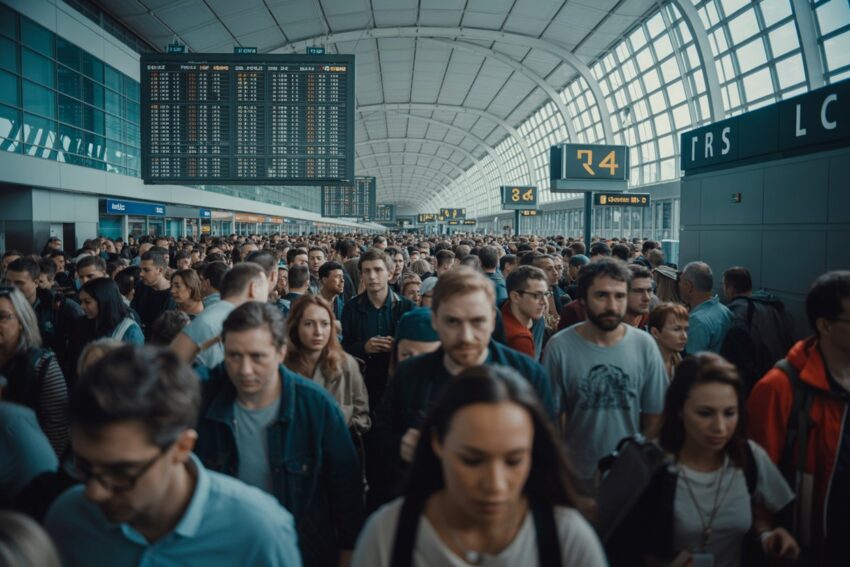
In November 2025, the United States saw a notable decline in international arrivals from several major markets, underscoring a challenging period for the tourism industry. Visitors from Germany decreased by 8.2%, reflecting the broader trend of reduced European visitation. Italy followed closely behind with a 1.5% drop, indicating a more modest but still significant decline in tourism from Southern Europe. Spain experienced a 3.0% reduction in arrivals, as travelers from this region sought alternative destinations with fewer entry barriers. Australia saw the sharpest decline among the listed markets, with a 12.7% fall in visitation, pointing to the rising costs and stricter U.S. immigration policies deterring travelers from Oceania. Meanwhile, arrivals from Ireland fell by 6.2%, while The Netherlands reported a 8.0% decline, further reflecting the challenges faced by U.S. tourism in attracting European travelers. These reductions in visitation are a concerning trend, indicating that the U.S. is experiencing a drop in demand from both European and Oceanic markets, which were once among its most reliable sources of international visitors.
| Country/Region | Decline in Arrivals (November 2025) |
|---|---|
| Germany | -8.2% |
| Italy | -1.5% |
| Spain | -3.0% |
| Australia | -12.7% |
| Ireland | -6.2% |
| The Netherlands | -8.0% |
In the last quarter of 2025, the Dominican Republic joined the UK, Brazil, China, France, and India in slowing down the US tourism recovery, with a significant decline in arrivals. Rising costs, visa issues, and geopolitical factors contributed to this shift.
Conclusion
The Dominican Republic’s significant decline in U.S. arrivals, alongside the slowing recovery from markets like the UK, Brazil, China, France, and India, highlights the ongoing challenges faced by the U.S. tourism sector. Rising costs, visa complexities, and geopolitical tensions have all played crucial roles in dampening international travel to the U.S., making it harder for the tourism industry to rebound in the final months of 2025. This trend underscores the need for a strategic reevaluation of U.S. policies to foster a more favorable environment for global visitors and encourage a swift recovery.

About the Author