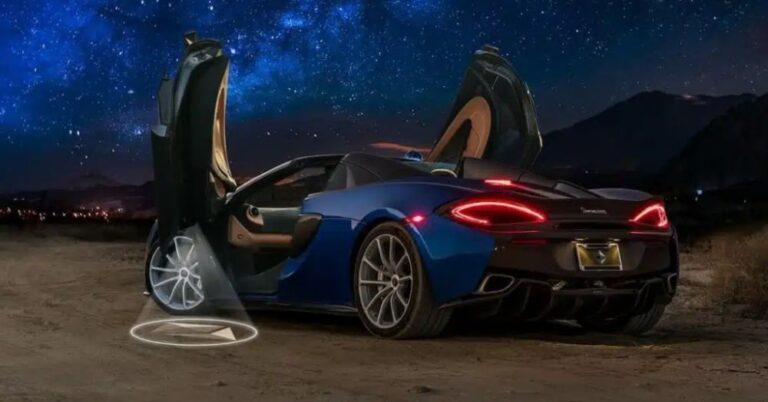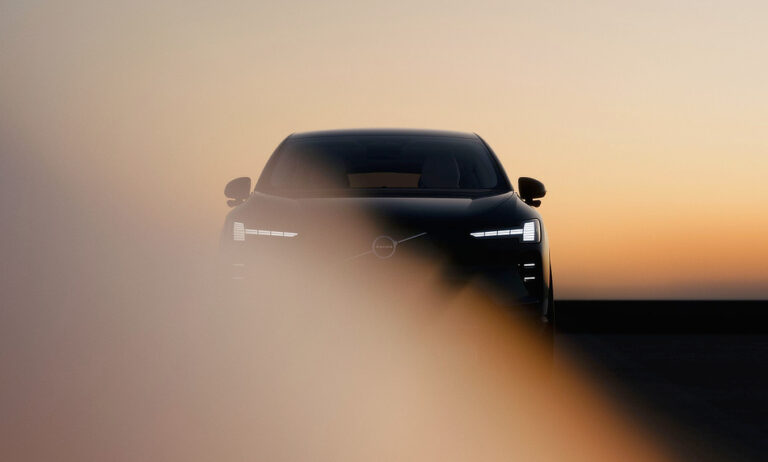
Speed grabs people before they have time to think about it. A streak of headlights on a dark road, the tension before a green light, the quiet vibration of an engine about to push forward. Motion carries feeling. In digital entertainment, that sense of momentum has started to shape visual design in subtle ways. Car inspired themes have found an easy fit inside online slot environments, where rhythm, anticipation, and flow already matter. The result is not loud imitation, but a controlled kind of energy that borrows from racing culture without copying it outright.
Racing aesthetics translated into motion
Car inspired slot design leans on the visual shorthand of motorsport. Smooth lines, streamlined shapes, and interfaces that echo dashboards or control panels create the impression of movement, even when the screen is technically still. In design discussions, Spinbet pokies online is sometimes referenced as an example of how automotive themes can be folded into digital play spaces, more as a design case than a destination.
Designers often think of a spin as a short circuit, almost like a lap. Reels accelerate and decelerate with intention, transitions feel closer to camera movement than simple animation. You do not need to care about racing to understand it. The pacing feels natural, and that is the point. It is about sensation, not simulation.
Visual language shaped by car culture
Automotive design has influenced creative fields for decades. You see it in furniture, clothing, even building facades. Slot design borrows the same cues. Brushed metal surfaces, glowing indicators, bold colour accents inspired by racing liveries. These elements signal speed and precision without needing explanation.
The strongest designs know when to hold back. Just as a high performance car relies on balance rather than excess, effective slot visuals avoid crowding the screen. Space matters. Clean layouts let the theme breathe, creating something that feels refined instead of noisy.
Sound, movement, and atmosphere
Audio often does the quiet work. A low engine note, a soft mechanical click, a hint of track ambience in the background. None of it demands attention, yet together it creates texture. Light shifts, subtle camera motion, small visual pulses. All of it nudges the experience forward.
It works for the same reason racing broadcasts do. Individual details fade into the background, but the overall feeling stays with you. Engagement comes from rhythm, not volume.
Lifestyle cues and cultural crossover
Car themed slots also pull from lifestyle imagery. Street racing aesthetics, luxury performance references, even retro motorsport nostalgia show up in different ways. These cues speak to identity as much as entertainment. Freedom, craft, motion. Players recognise the world being hinted at, even if they have never set foot near a track.
This crossover fits a broader design trend. Games borrow from fashion, film, and architecture more openly now. Slot visuals are no longer isolated objects. They sit inside a shared cultural language, which helps explain why racing themes continue to feel familiar rather than dated.
Suggesting progress without overcomplicating it
The mechanics themselves stay simple, but the presentation often hints at movement and progression. Rising indicators, unfolding paths, visual builds that suggest forward motion. There is tension without promise, momentum without guarantee.
That balance takes care. Too much complexity breaks the flow. Too little feels empty. Designers aim for something in between, where everything moves together without calling attention to itself.
In the end
Car inspired slot design taps into a long standing fascination with speed, precision, and motion. By interpreting racing culture instead of copying it, these games create digital spaces that feel energetic but controlled. The appeal is not about realism. It is about feeling. And as long as motion continues to stir emotion, the influence of racing aesthetics is likely to keep rolling forward, even on a screen that never actually moves.
About the Author