Canadians may argue that, due to the lack of competition among airlines, carriers are getting away with reduced service while increasing prices. We saw both of those issues on display last year. WestJet, in particular, had an “invented policy” that put a weight cap on mobility devices, leaving some disabled passengers stranded. We also saw the airline increase its prices. WestJet increased its first-checked-bag fee by $5 just a couple of months ago.
However, airlines in Canada may now be forced to up their game. The federal government in Ottawa has agreed to more competition from a source that Canada previously backed away from. Things have changed, and Prime Minister Mark Carney is now trying to establish a relationship. A new agreement has brought billions in investment to Canada, along with additional flights from other international airlines.
Given the prestige of these airlines, the likes of Air Canada will be under pressure to match these services on their own flights. Here’s a closer look at the agreement and Air Canada’s response.
The Federal Government In Canada Has Agreed To Allow More Airline Competition From The Middle East
Ottawa has finally decided to loosen the restrictions on the number of flights coming from Saudi Arabia and the United Arab Emirates. Flights were limited in the past, but that will now change thanks to new agreements in place.
Given the services provided by some of the major airlines in the Middle East, Canada’s top airlines, including Air Canada and WestJet, may face added pressure to match these luxurious airlines.
The move may also push Canadian airlines, given that many argue they have faced a lack of competition over the years, which has led to reduced passenger rights, along with higher fares.
The move was sparked by Prime Minister Mark Carney, in an attempt to improve Canada’s standing in the Middle East. After Carney visited Abu Dhabi, the country made a $70-billion commitment to invest in Canada.
Later, Transport Minister Steven MacKinnon announced that the government agreed to allow 14 passenger flights per week from Saudi Arabia, a major increase from the four previously.
According to CBC News, the deal also includes 35 passenger flights a week from the U.A.E., another increase from the previous maximum, which was 21. The deal will also see unlimited cargo flights for both countries.
Transport Minister Steven MacKinnon said of the deal, “This is all part of our ambition to continue to grow export markets, build and strengthen business ties and have generally speaking more openness and more ability to deal with the rest of the world.”
Middle Eastern airlines no doubt love to promote luxury and have been plastered all over social media, highlighting their luxurious features. No doubt, this will put added pressure on the major Canadian airlines to up their services in particular.
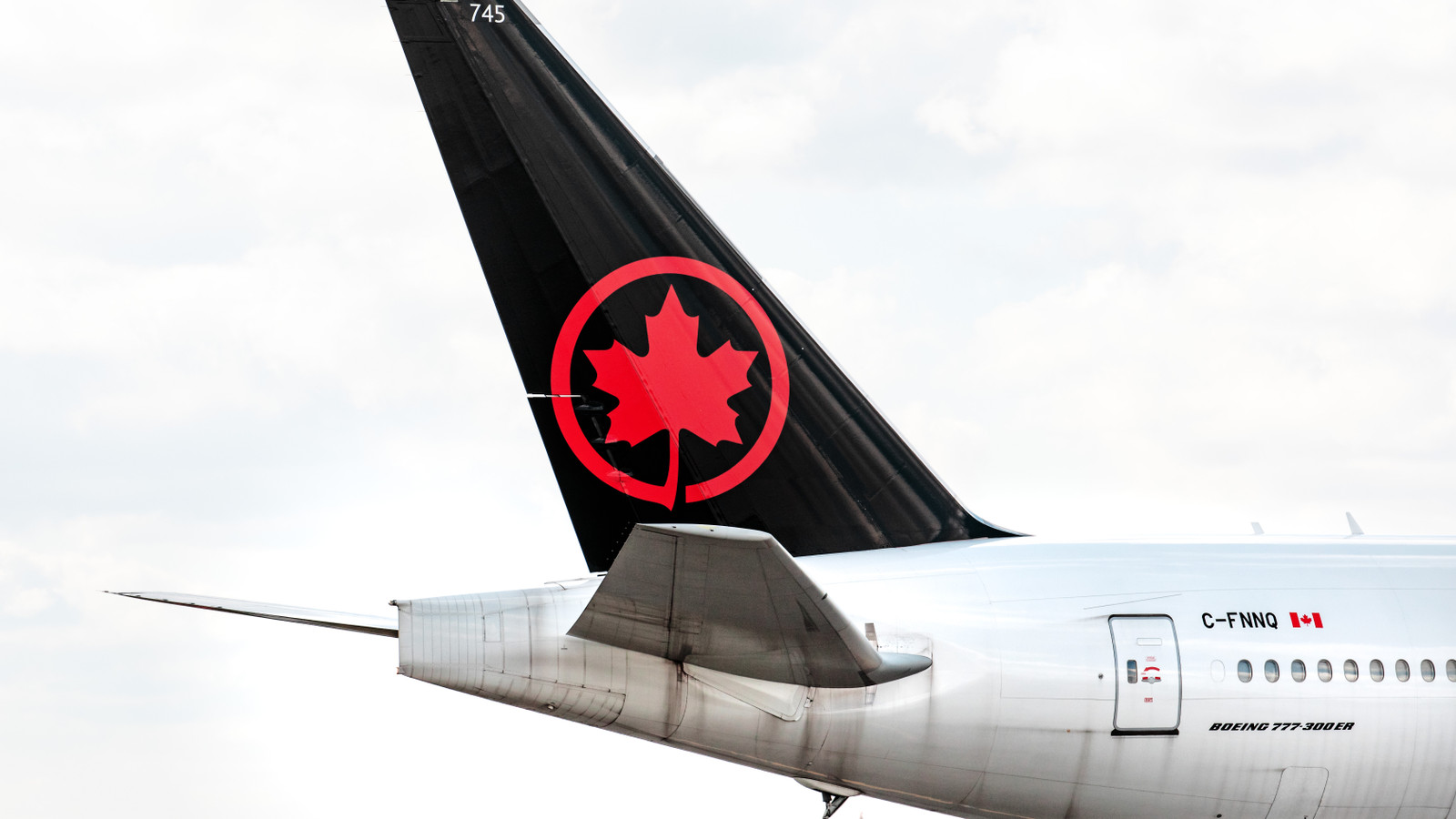
Air Canada has responded to the federal government’s change.
What Air Canada Had To Say About The Competition Coming From The Middle East

Credit to Air Canada for issuing a response about the matter. Other major Canadian airlines, including WestJet and Air Transat, declined to comment on the government’s move to open its skies to other airlines and the impact it may have.
Air Canada is aware of the value of Middle East airlines. However, Air Canada believes it is competitive with the world’s top airlines and has an agreement with Emirates.
Peter Fitzpatrick, a spokesperson for Air Canada, tells CBC the carrier is competitive “with the best in the world.”
The Air Canada spokesperson concluded, “Yes, Middle East airlines carry significant connecting traffic to regions such as the Indian Subcontinent, but our agreement with Emirates enables us to flow traffic beyond Dubai on our Toronto-Dubai flight.”
Regarding Air Canada’s partnership, the airline extended its agreement with Emirates in a major deal back in November 2025.
The partnership unlocks hundreds of global connections between the two countries.
Air Canada Recently Extended Its Strategic Partnership With Emirates

Air Canada might be that much more content with its Emirates partnership given the recent changes issued by the federal government.
Back in November 2025, Air Canada and Emirates extended their strategic partnership. The initial collaboration was launched in 2022. Since then, the airlines have served more than 550,000 customers, connecting on 56 codeshare routes.
The codeshare and loyalty partnership will extend until December 31, 2032.
Mark Galardo, Executive Vice President & Chief Commercial Officer and President, Cargo at Air Canada, said of the agreement, “This agreement strengthens our international strategy by supporting our daily, year-round service between Toronto and Dubai and providing customers and shippers seamless connections to destinations across the Indian subcontinent, the Middle East and Southeast Asia.”
“Renewing this partnership is great news, not just for our customers – many of whom have family, cultural or business ties to these regions – but also for Canada, as it enhances our ability to connect the country to the world amid evolving trade and travel patterns.”
|
Renewed Air Canada And Emirates Agreement Will Deepen: |
|---|
|
-“Cooperation.” |
|
-“Lead to enhanced services for customers and cargo shippers.” |
|
-“Create the potential for new gateways within Canada in the codeshare network.” |
The Emirates partnership certainly gives Air Canada an advantage over some other Canadian airlines with international flights. However, with the federal government approving other airlines from the Middle East, the added competition will certainly be felt one way or another, even from Air Canada.
All the major airlines will be challenged with the added luxury airline option.
About the Author