Duke Energy is working to increase the resilience of its power grid in Ohio and Kentucky, aiming to recover from disruptions more quickly as winter progresses.”Over the last 10 years, we spent a significant amount of money building out our system to improve grid reliability. That includes putting communications on the system,” Joshua McCord, director of operations for Duke Energy’s distribution control centers for the Midwest, said.Duke Energy explained that technological advancements are enabling faster outage restoration, strengthening the grid during storms and increasing overall reliability.”In years past, you had to send a crew out and they had to patrol an entire section of line. Now, with this technology, we’re able to isolate it down to a much smaller section of line and say, ‘ok we know the problem is between these two pieces of equipment’,” McCord said.A key topic during the tour was “self-healing technology,” which Duke Energy reported has helped maintain power for nearly 400,000 customers in Ohio and Kentucky. McCord emphasized the control center’s readiness for extreme weather.”We just had the cold spell come through, and the operators are in here making sure the load on the system balanced and they move things around to open switches and close switches to make sure that the system can handle the demands the customers are putting on the grid at the time,” McCord said.McCord also mentioned that self-healing technology would have made a difference in the restoration time in 2008, when Hurricane Ike’s remnants led to widespread outages and some staying in the dark for more than a week.
Duke Energy is working to increase the resilience of its power grid in Ohio and Kentucky, aiming to recover from disruptions more quickly as winter progresses.
“Over the last 10 years, we spent a significant amount of money building out our system to improve grid reliability. That includes putting communications on the system,” Joshua McCord, director of operations for Duke Energy’s distribution control centers for the Midwest, said.
Duke Energy explained that technological advancements are enabling faster outage restoration, strengthening the grid during storms and increasing overall reliability.
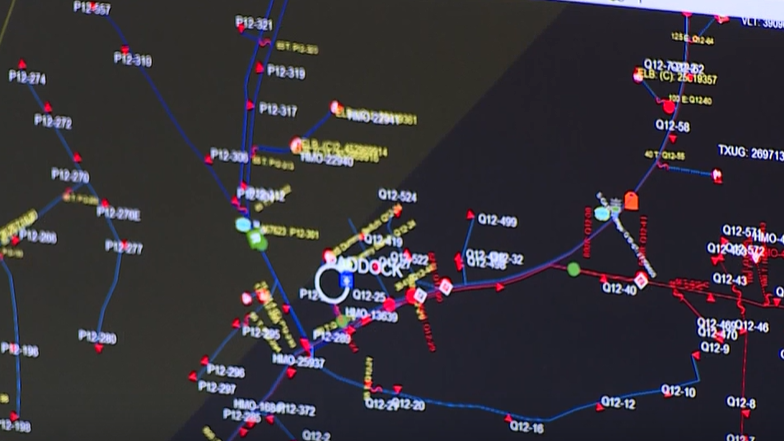
“In years past, you had to send a crew out and they had to patrol an entire section of line. Now, with this technology, we’re able to isolate it down to a much smaller section of line and say, ‘ok we know the problem is between these two pieces of equipment’,” McCord said.
A key topic during the tour was “self-healing technology,” which Duke Energy reported has helped maintain power for nearly 400,000 customers in Ohio and Kentucky.
McCord emphasized the control center’s readiness for extreme weather.
“We just had the cold spell come through, and the operators are in here making sure the load on the system balanced and they move things around to open switches and close switches to make sure that the system can handle the demands the customers are putting on the grid at the time,” McCord said.
McCord also mentioned that self-healing technology would have made a difference in the restoration time in 2008, when Hurricane Ike’s remnants led to widespread outages and some staying in the dark for more than a week.
About the Author