
India may soon face a sharply rising cancer burden. The number of cancer patients in the country could touch 2 million by 2040, as per Jitendra Singh, Minister of States in the Prime Minister office. Responding during the question hour in Rajya Sabha, Singh said “we stand at number 3, after China and the USA, as far as prevalence of cancer is concerned.”The MoS mentioned that this could have been possible due to a number of reasons, the changing spectrum of disease in this country. Singh also highlighted that many non-communicable diseases, including cancer, are now happening at the early stages of life, which were earlier happening in the later decades.
What’s driving the cancer rise in India
For the sharp rise in cancer cases, a number of causes are linked. In his speech, Singh mentioned that in India, a large proportion of citizens over 60 years of age has increased, and this adds to the overall disease burden. According to data from the Asian Pacific Journal of Cancer Prevention study, population size and age structure together accounted for a major part of the increase in cancer cases in Delhi, contributing up to about 60 % of the rise in men and women, highlighting how demographic shifts amplify cancer counts even if age-specific rates remain stable.Also, a Global Burden of Disease study reported that the highest cancer prevalence rates in India occur in older age groups (ages 60–74), showing how ageing populations contribute disproportionately to the total burden.

Lifestyle and environmental factors
According to data in the Journal of Family Medicine and Primary Care, up to 70% of cancer cases in India are attributed to modifiable risk factors such as tobacco use, alcohol, unhealthy diets, lack of physical activity, obesity, and pollution. Tobacco use remains the single largest preventable cause of cancer in India.
Environmental exposure and pollution
The World Health Organisation (WHO) determined outdoor air pollution as a Group 1 carcinogen. Prolonged exposure to high levels of air pollution is linked to an increased risk of lung cancer, even among people who have never smoked. As per reports, major Indian cities often record PM2.5 levels far above safe limits increasing long-term health risks.
Common cancers growing in India
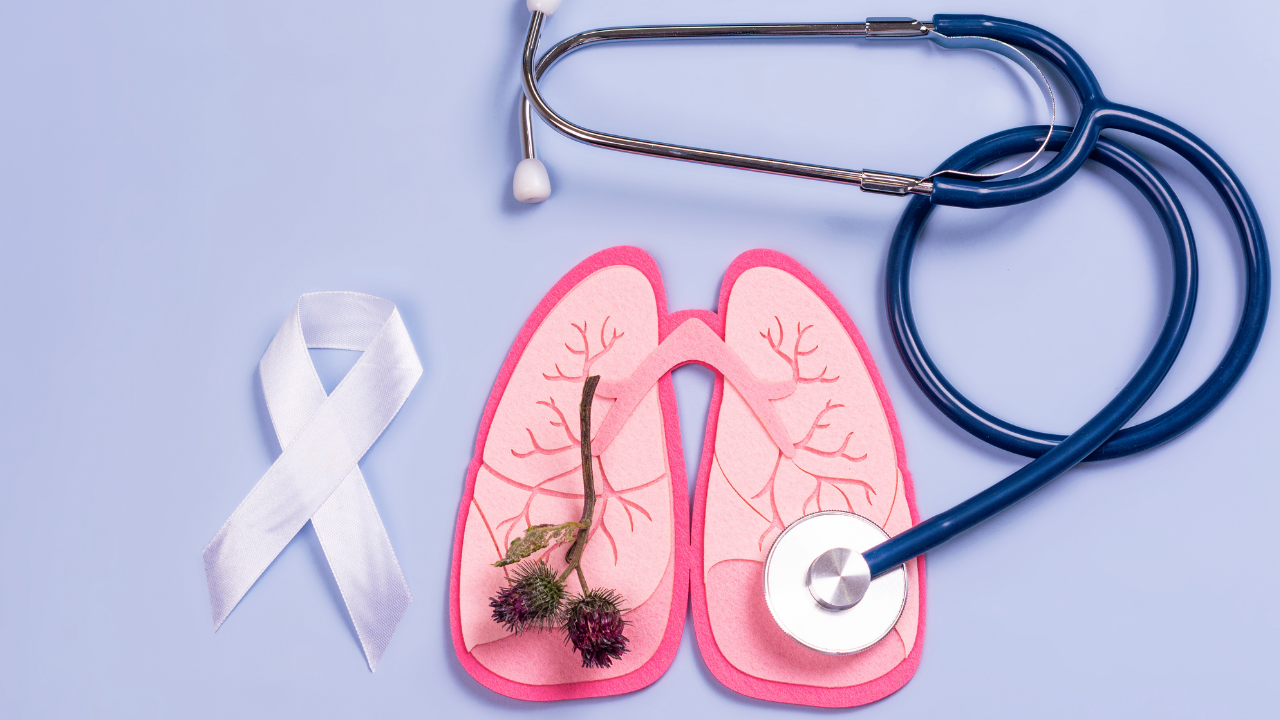
Noting India’s diversity, MoS Jitendra Singh said the nature and prevalence of cancers vary by region for instance, head and neck cancers are more common in the northeastern states.Certain cancers that most frequently diagnosed in India are:Breast cancer, which is the leading cancer among Indian women, followed by cervical cancer. Cervical cancer is largely prevalent with HPV vaccination and early detection.Largely driven by tobacco use, the prevalence is followed by oral cancer, especially in men. Lung cancer continues to be a major cancer in India for both sexes and is rising among women too, driven by tobacco smoking, air pollution and other risk factors.In urban populations, colorectal cancer is among the rising non-tobacco associated cancers in India.
What this means for you
The warning by the MoS directly puts an effect on everyday health decisions. According to estimated data from NIH, one in nine Indians may develop cancer during their lifetime.Singh said, the government has launched an ambitious programme to provide cancer care facilities in almost every district hospital across the country. “We are in discussions with the health ministry on how best to make it available to a larger population at an affordable cost or free of charge,” said the MoS.Also, preventive steps taken today can decide how the future unfolds for India’s cancer story.
About the Author