With 1,243 hotels and over 216,000 rooms, the UAE’s economy benefits greatly from tourism
Hotel occupancy rates in the UAE climbed to 79.3 percent during the first ten months of 2025, an increase from 78 percent the previous year, placing it among the highest rates both regionally and globally.
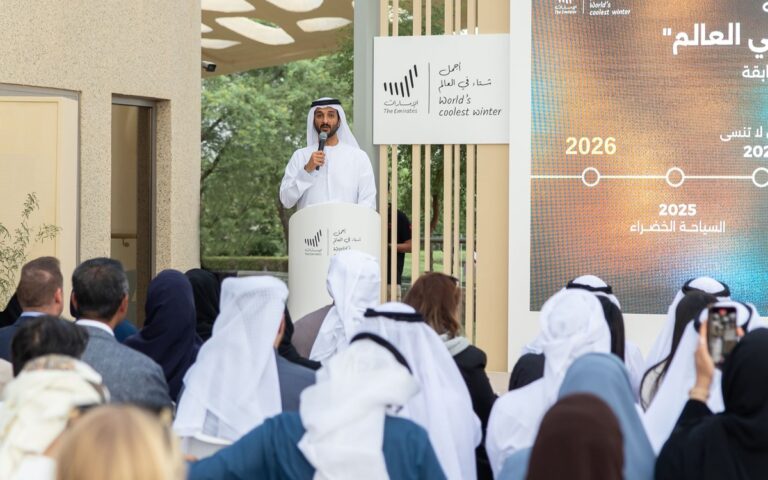
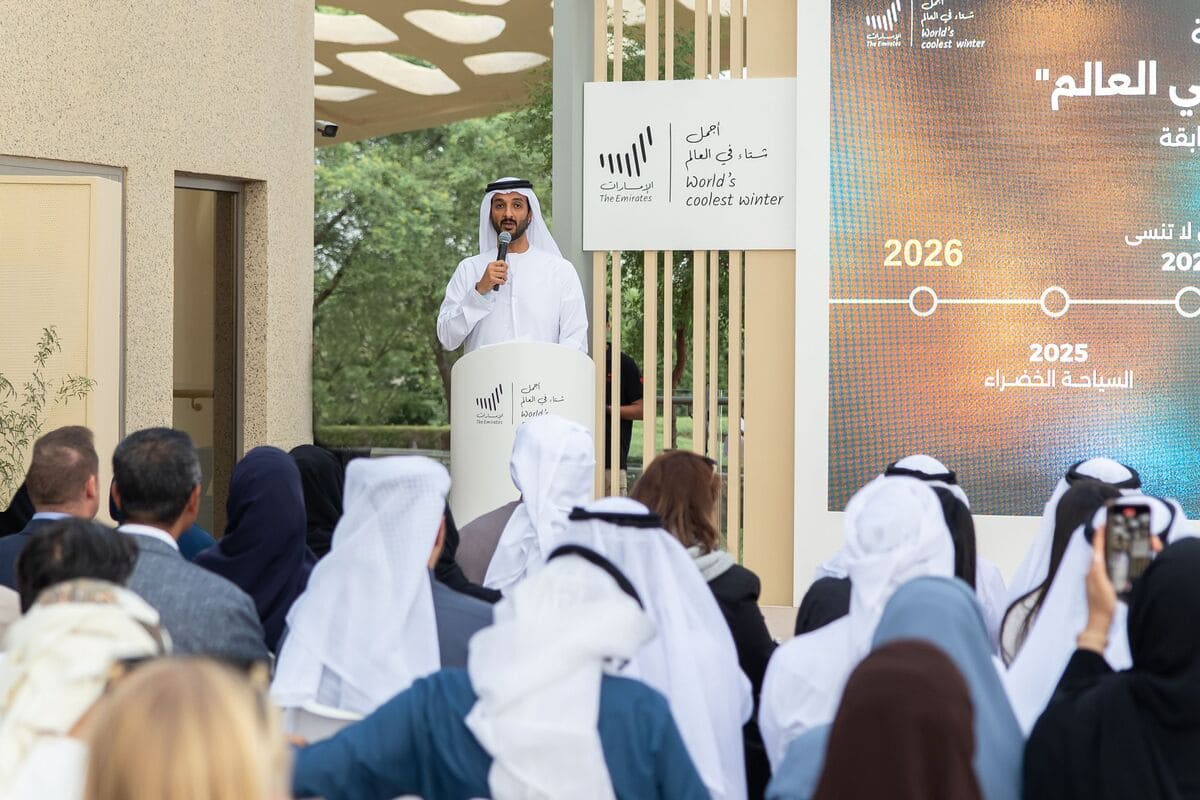
In remarks to the Emirates News Agency (WAM) during the launch of the sixth edition of the World’s Coolest Winter campaign, Abdulla bin Touq Al Marri, UAE minister of Economy and Tourism, highlighted that hotel revenues reached AED89 billion ($24.2 billion) during this period, with 1,243 hotel establishments providing over 216,000 rooms across the country.
The Minister mentioned that tourism accounted for 13 percent of the UAE’s GDP last year, amounting to AED257.3 billion, and created over 920,000 jobs. There are plans to increase the sector’s contribution to 17 percent within five years, backed by rising investments and ongoing growth in aviation.
Al Marri emphasized that the World’s Coolest Winter campaign, themed ‘Our Winter is Entrepreneurial’, is designed to enhance domestic tourism and promote entrepreneurship, further solidifying the UAE’s status as a premier global destination for tourism and business.
Tourism investments amounted to AED32.2 billion in 2024, increasing from AED28.8 billion in 2023, and are projected to grow to AED35.2 billion in 2025, indicating the sector’s robust and continuous growth.
Read more: UAE hotels welcome 16.1 million guests as hotel nights surge to 56 million in H1 2025
235,674 rooms in 1,184 properties by 2030
The UAE is expected to see a vibrant hotel deal marketplace as the Emirates attract significant hospitality investments. Knight Frank’s UAE Hospitality Market Review – Autumn 2025 indicates that a diverse range of regional and international investors is being lured by a developing market marked by strong growth fundamentals and a widening pool of institutional capital.
The UAE hospitality sector has delivered another remarkable performance over the year leading up to August, with revenue per available room (RevPAR) and average daily rate (ADR) both increasing by 11.9 percent year-on-year. Abu Dhabi experienced the highest growth, with RevPAR rising by 24 percent and ADR climbing by 20.2 percent. Dubai, the Emirates’ largest hospitality market, saw RevPAR grow by 10.1 percent, closely followed by Ras Al Khaimah at 10 percent. The average occupancy rate across the UAE increased by 4 percent over the year, reaching 78.5 percent.
Highlighting the UAE’s status as a global luxury destination, 26 percent of the 213,928 existing hotel rooms are categorized as upscale, 22 percent as luxury, and 21 percent as upper upscale. The total room count in the UAE is further anticipated to reach 217,853 by the end of 2025—a 3 percent increase from 2024—and expand to 235,674 rooms across 1,184 hotels by the end of 2030. Future developments are expected to focus mainly on the higher-end market, with 43 percent of the upcoming supply in the luxury segment.
Dubai, boasting 165,339 existing and future hotel keys, is the driving force behind the UAE’s hospitality sector, bolstered by the D33 Economic Agenda and the 2040 Urban Masterplan. Notable markets include Abu Dhabi (37,016 keys), Sharjah (14,478 keys), and Ras Al Khaimah (11,902 keys). By August 2025, 55.9 percent of the UAE’s new hotel supply will be concentrated in Dubai.
About the Author