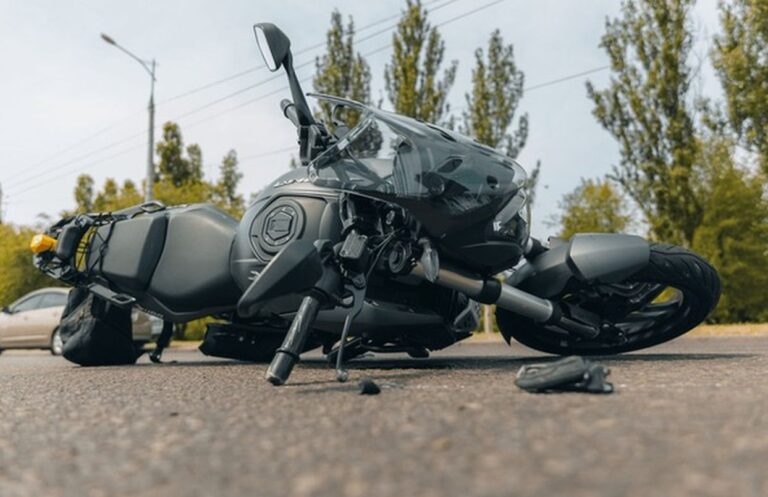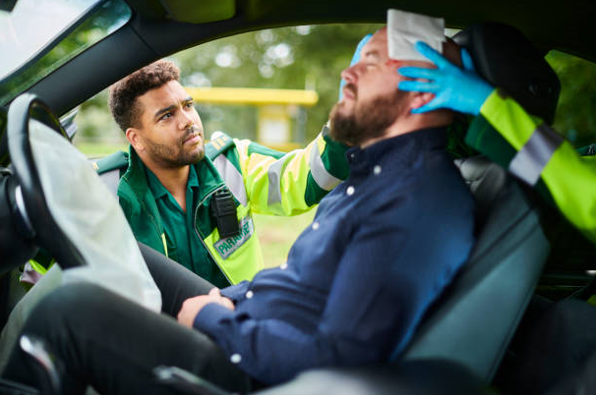
A T-bone accident happens when one vehicle hits the side of another, forming a “T” shape. These crashes can cause serious injuries because the side of a car offers less protection. When both drivers may have made mistakes, it can leave you unsure about what happens next.
This confusion often grows when people start reading about how a T-bone crash works and how fault is decided. Being partly at fault does not automatically stop you from seeking compensation. The outcome depends on the laws in your state and on the evidence that shows what really happened.
Understanding Shared Fault in Accidents
Many accidents involve more than one mistake. A driver may speed. Another may try to rush through a yellow light. Someone may be distracted for a moment. Fault is rarely simple, and insurance companies look closely at every detail before they decide who is responsible.
Shared fault means responsibility is divided between the drivers. The percentage depends on the actions of each person in the seconds leading up to the crash.
How State Fault Rules Influence Your Case
States follow different systems when deciding shared fault. Some allow you to recover compensation even if you played a small part in the accident. Others reduce the amount you receive based on your percentage of fault.
This makes evidence very important. The clearer your proof, the easier it is to show that the other driver’s actions played the larger role.
What Evidence Helps Prove Your Side?
Strong evidence makes it easier to understand what happened at the intersection. T-bone accidents often involve traffic lights, stop signs, and right-of-way issues, so clear documentation helps.
Useful evidence includes:
- Photos or videos from the scene.
- Statements from people who saw the accident.
- Traffic or security camera footage.
- Police reports.
- Patterns of vehicle damage.
These details help show how the crash unfolded.
Why Fault Is Often Disputed in T-Bone Accidents
Intersections are busy and confusing. Each driver may believe they had the right of way. Someone may claim the light was green when it was not. Because memories fade and people get stressed, stories may conflict.
Insurance companies often try to shift blame to lower what they owe. This is why you should not admit fault, apologize, or explain your actions at the scene without understanding the full picture.
How a Lawyer Helps Protect Your Position
A lawyer looks at every detail of the crash. They study the intersection, the car positions, and the traffic signals. They review videos, talk to witnesses, and look for errors in the report. Their goal is to show that your actions did not cause the accident or that your role was smaller than the other driver’s.
They also manage conversations with the insurance company, who may try to pressure you into accepting fault.
What You Should Do After the Accident
Taking calm, clear steps helps protect your rights and your claim.
- Get medical care right away.
- Take photos of both vehicles and the intersection.
- Gather names and contact information from witnesses.
- Request a copy of the police report.
- Do not discuss fault with anyone at the scene.
These steps create a strong record of what happened.
How Compensation Works When Fault Is Shared
Even if fault is questioned, you may still receive compensation depending on your state’s rules. You may be able to recover:
A lawyer uses evidence to show that the other driver acted carelessly or violated a traffic rule.
Why You Should Not Assume You Were at Fault
It is easy to feel guilty or unsure after a crash. Many people assume they caused the accident because they made a small mistake. But intersections are complex. Timing, distance, and the other driver’s behavior also matter.
Let professionals review the details before you take responsibility for something that may not be your fault.
Key Takeaways
- Being partly at fault in a T-bone accident does not always stop you from recovering compensation.
- Every state handles shared fault in different ways.
- Strong evidence helps show what happened at the intersection.
- A lawyer challenges unfair blame and protects your rights.
- Never assume fault without a complete investigation.
About the Author